Guru Nanak Institute of Engineering & Technology, Nagpur - Applied science

Applied Science & Humanities

About Department

The First Year Engineering Department at Guru Nanak Institute of Engineering & Technology, Nagpur, builds a strong academic foundation for newly admitted B.Tech students.

Led by Dr. Kishor Wagh, along with a team of dedicated faculty members, the department focuses on academic excellence and holistic personality development through regular lectures, practicals, mentoring, and innovative teaching methods.

Students are encouraged to participate in workshops, competitions, expert lectures, cultural activities, and national day celebrations. Regular Parent-Teacher Meetings (PTMs) ensure smooth communication between parents and faculty.

With a student-centered approach, the department shapes responsible, skilled, and future-ready engineers.

Vision & Mission

Vision
  • Academic excellence with total commitment to quality education, research & improvement in human values with a holistic concern for better life, environment & society.
Mission
  • To Groom - Motivated, Environment Friendly, Self-esteemed, Creative and Oriented Engineers.
  • Promoting Value Education through motivated trained faculty.
  • Promoting Industry Institute Interaction, and involving alumni.

Head of Department

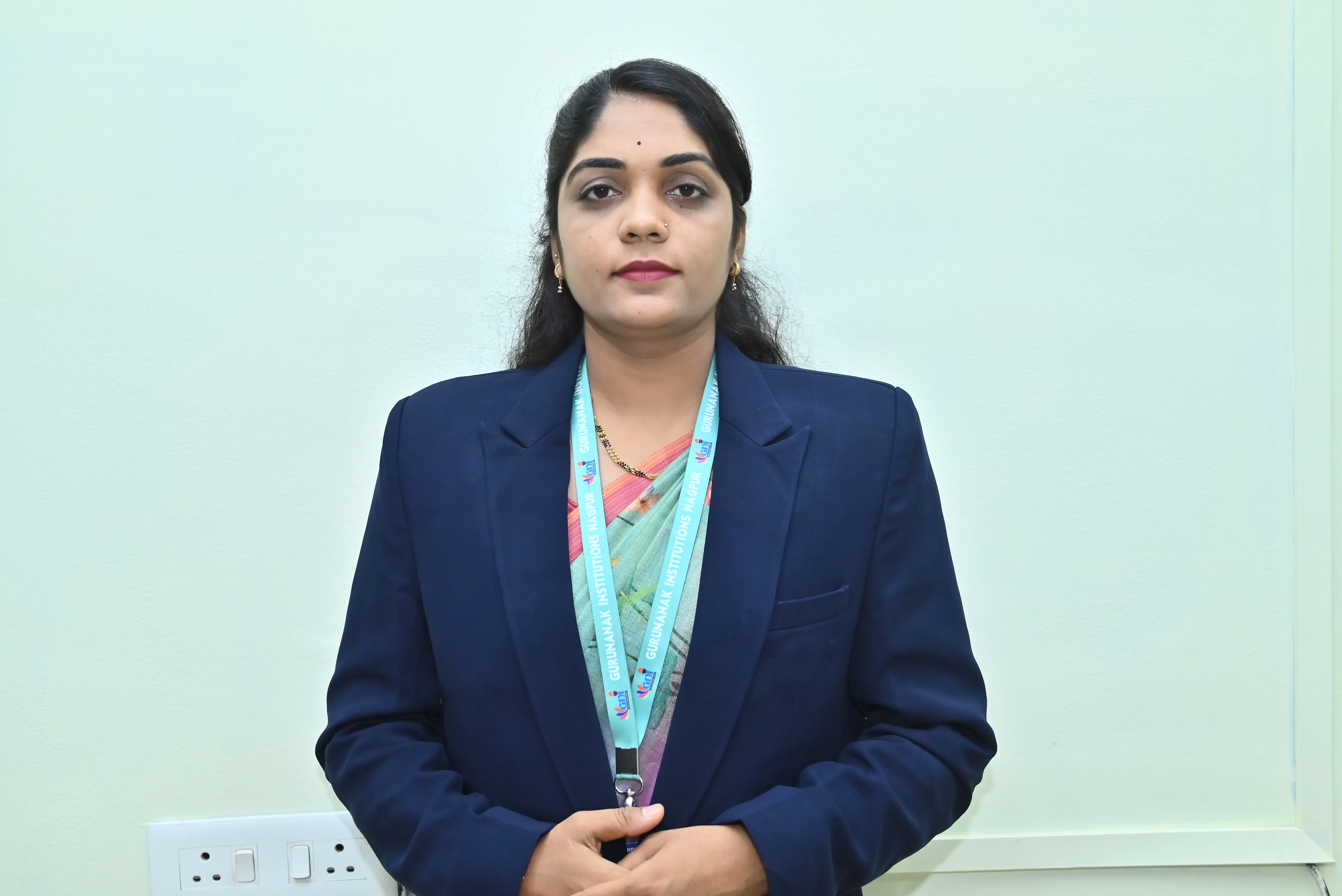
Dr. Kishor Wagh

It gives me immense pleasure to welcome all students to the First Year Engineering Department. The first year of engineering is the foundation of every student's professional journey, and our department is committed to providing quality education, discipline, and moral values through a positive learning environment. We believe education is not limited to textbooks – through workshops, expert lectures, competitions, cultural activities, and regular Parent-Teacher Meetings, we ensure holistic development and strong communication between parents, teachers, and students. Our dedicated faculty strives to build responsible, skilled, and future-ready engineers. I wish all students a bright and successful future.

Dr. Kishor Wagh

Head of Department

POs & PSOs

B.Tech. Artificial Intelligence

Program Outcomes (POs)

  • PO1: Engineering knowledge: Apply the knowledge of mathematics, science, engineering fundamentals, and an engineering specialization to the solution of complex engineering problems.
  • PO2: Problem analysis: Identify, formulate, review research literature, and analyze complex engineering problems reaching substantiated conclusions using first principles of mathematics, natural sciences, and engineering sciences.
  • PO3: Design/development of solutions: Design solutions for complex engineering problems and design system components or processes that meet the specified needs with appropriate consideration for the public health and safety, and the cultural, societal, and environmental considerations.
  • PO4: Conduct investigations of complex problems: Use research-based knowledge and research methods including design of experiments, analysis and interpretation of data, and synthesis of the information to provide valid conclusions.
  • PO5: Modern tool usage: Create, select, and apply appropriate techniques, resources, and modern engineering and IT tools including prediction and modeling to complex engineering activities with an understanding of the limitations.
  • PO6: The engineer and society: Apply reasoning informed by the contextual knowledge to assess societal, health, safety, legal and cultural issues and the consequent responsibilities relevant to the professional engineering practice.
  • PO7: Environment and sustainability: Understand the impact of the professional engineering solutions in societal and environmental contexts, and demonstrate the knowledge of, and need for sustainable development.
  • PO8: Ethics: Apply ethical principles and commit to professional ethics and responsibilities and norms of the engineering practice.
  • PO9: Individual and team work: Function effectively as an individual, and as a member or leader in diverse teams, and in multidisciplinary settings.
  • PO10: Communication: Communicate effectively on complex engineering activities with the engineering community and with society at large, such as, being able to comprehend and write effective reports and design documentation, make effective presentations, and give and receive clear instructions.
  • PO11: Project management and finance: Demonstrate knowledge and understanding of the engineering and management principles and apply these to one's own work, as a member and leader in a team, to manage projects and in multidisciplinary environments.
  • PO12: Life-long learning: Recognize the need for, and have the preparation and ability to engage in independent and life-long learning in the broadest context of technological change.

Program Specific Outcomes (PSOs)

  • PSO1: To design and develop software systems with the knowledge of data structures, analysis of algorithms, web design, machine learning and Image processing techniques.
  • PSO2: To design and develop networking and embedded software solutions by means of data communication, sensors and its applications, robotics, virtual reality and Internet of Things.
  • PSO3: Apply the skills in the areas of Health Care, Education, Agriculture, Intelligent Transport, Environment, Smart Systems & in the multi-disciplinary area of Artificial Intelligence.

Bachelor of Technology (Computer Science & Engineering)

Program Outcomes

  • PO1: Engineering Knowledge: Apply the knowledge of mathematics, science, engineering fundamentals, and engineering specialization to the solution of complex engineering problems.
  • PO2: Problem analysis: Identify, formulate and analyze hardware and software engineering problems and arrive at substantiated conclusions using first principles of mathematics, natural and engineering sciences.
  • PO3: Design/Development of solutions: Design and develop hardware / software system to meet desired needs within realistic constraints related to economic, environmental, social, political, ethical, health and safety, verifiability, and sustainability concerns.
  • PO4: Conduct investigations of complex problems: Use research based knowledge including design of experiments, analysis and interpretation of data and synthesis of the information to provide valid conclusions.
  • PO5: Modern tool usage: Use techniques, skills, and modern computer engineering tools, including simulation and modeling, for addressing the needs of engineering profession and interdisciplinary business.
  • PO6: The engineer and society: Understand the computing needs of inter-disciplinary scientific and engineering disciplines and design and develop algorithms and techniques for societal, health, safety, legal and cultural problems.
  • PO7: Environment and sustainability: Understand the impact of the professional engineering solutions in societal and environmental contexts, and demonstrate the knowledge of and need for sustainable development.
  • PO8: Ethics: Apply ethical principles and commit to professional ethics and responsibilities and norms of the engineering practice.
  • PO9: Individual and team work: Function as member or leader of team and to understand engineering management principles & finance to manage projects in multidisciplinary environment.
  • PO10: Communications: Effectively transfer technology to engineering community and society at large on broadly defined engineering needs through technical reports, presentations and software technologies.
  • PO11: Project management and finance: Demonstrate knowledge and understanding of engineering and management principles and apply these to one's own work, as a member and leader in a team. Manage projects in multidisciplinary environments.
  • PO12: Life-long learning: Engage in lifelong learning and adapt to rapid changes in computer science & allied areas.

Program Specific Outcomes

  • PSO1: Pertain current knowledge and adapting to emerging applications of Mathematics, Science and Engineering fundamentals in the field of Computer Science and Engineering.
  • PSO2: Exhibit proficiency through latest technologies to business and personal situations in demonstrating the ability for work efficacy as a part of team and apply professional behavior and ethics.
  • PSO3: Acquaint with the contemporary trends in industrial/research settings and thereby innovate novel solutions to existing problems.

Bachelor of Technology (Electrical Engineering)

Program Outcomes (POs)

  • PO1: Engineering knowledge: Apply the knowledge of mathematics, science, engineering fundamentals, and an engineering specialization to the solution of complex engineering problems.
  • PO2: Problem analysis: Identify, formulate, review research literature, and analyze complex engineering problems reaching substantiated conclusions using first principles of mathematics, natural sciences, and engineering sciences.
  • PO3: Design/development of solutions: Design solutions for complex engineering problems and design system components or processes that meet the specified needs with appropriate consideration for the public health and safety, and the cultural, societal, and environmental considerations.
  • PO4: Conduct investigations of complex problems: Use research-based knowledge and research methods including design of experiments, analysis and interpretation of data, and synthesis of the information to provide valid conclusions.
  • PO5: Modern tool usage: Create, select, and apply appropriate techniques, resources, and modern engineering and IT tools including prediction and modeling to complex engineering activities with an understanding of the limitations.
  • PO6: The engineer and society: Apply reasoning informed by the contextual knowledge to assess societal, health, safety, legal and cultural issues and the consequent responsibilities relevant to the professional engineering practice.
  • PO7: Environment and sustainability: Understand the impact of the professional engineering solutions in societal and environmental contexts, and demonstrate the knowledge of, and need for sustainable development.
  • PO8: Ethics: Apply ethical principles and commit to professional ethics and responsibilities and norms of the engineering practice.
  • PO9: Individual and teamwork: Function effectively as an individual, and as a member or leader in diverse teams, and in multidisciplinary settings.
  • PO10: Communication: Communicate effectively on complex engineering activities with the engineering community and with society at large, such as, being able to comprehend and write effective reports and design documentation, make effective presentations, and give and receive clear instructions.
  • PO11: Project management and finance: Demonstrate knowledge and understanding of the engineering and management principles and apply these to one's own work, as a member and leader in a team, to manage projects and in multidisciplinary environments.
  • PO12: Life-long learning: Recognize the need for and have the preparation and ability to engage in independent and life-long learning in the broadest context of technological change.

Program Specific Outcomes

  • PSO1: Interpret, identify, analyze, and evaluate problems in power system operation, control and design.
  • PSO2: Demonstrate knowledge to develop, control and assess electrical and electronic systems.

Bachelor of Technology Electronics & Telecommunication Engineering

PROGRAM OUTCOMES (POs)

  • PO1: Engineering Knowledge: Apply the knowledge of mathematics, science, engineering fundamentals, and an engineering specialization to the solution of complex engineering problems.
  • PO2: Problem analysis: Identify, formulate, review research literature, and analyze complex engineering problems reaching substantiated conclusions using first principles of mathematics, natural sciences and engineering sciences.
  • PO3: Design/Development of solutions: Design solution for complex engineering problems and design system components or processes that meet the specified needs with appropriate consideration for the public health and safety, and the culture, societal and environmental considerations.
  • PO4: Conduct investigations of complex problems: Use research-based knowledge and research methods including design of experiments, analysis and interpretations of data, and synthesis of the information to provide valid conclusions.
  • PO5: Modern tool usage: Create, Select, and apply appropriate techniques, resources, and modern engineering and IT tools including prediction and modeling to complex engineering activities with an understanding of the limitations.
  • PO6: The engineer and society: Apply reasoning informed by the contextual knowledge to access societal, health, safety, legal and cultural issues and the consequent responsibilities relevant to the professional engineering practice.
  • PO7: Environmental and sustainability: Understanding the impact of the professional engineering solutions in societal and environmental contexts, and demonstrate the knowledge of, and need for sustainable development.
  • PO8: Ethics: Apply ethical principles and commit to professional ethics and responsibilities and norms of the engineering practice.
  • PO9: Individual and team work: Function effectively as an individual and as a member or leader in diverse teams, and in multidisciplinary settings.
  • PO10: Communication: Communicate effectively on complex engineering activities with the engineering community and with society at large, such as, being able to comprehend and write effective reports and design documentation, make effective presentations, and give and Receive clear instructions.
  • PO11: Project management and finance: Demonstrate knowledge and understanding of the engineering and management and finance principles and apply these to one's own work, as a member and leader in a team, to manage projects and multidisciplinary environments.
  • PO12: Life-long learning: Recognize the need for, and have the preparation and ability to engage in independent and life-long learning in the broadest context of technological change.

PROGRAM SPECIFIC OUTCOMES (PSOs)

  • PSO1: Graduates will demonstrate competence in comprehending and applying Electronics and Communication Engineering principles to areas such as Microelectronics, Signal processing, Communication/Networking, Embedded and VLSI Systems.
  • PSO2: Graduates will possess the ability to create and employ cutting-edge Hardware and Software tools for the analysis and implementation of real-time subsystems and processes.
  • PSO3: Graduates will leverage their domain knowledge to advance research in the realms of Embedded Systems, VLSI Systems, and Communication Engineering.

Bachelor of Technology in Information Technology

PROGRAM OUTCOMES (POs)

  • PO1: Engineering Knowledge: Apply the knowledge of mathematics, science, engineering fundamentals, and engineering specialization to the solution of complex engineering problems.
  • PO2: Problem analysis: Identify, formulate and analyze hardware and software engineering problems and arrive at substantiated conclusions using first principles of mathematics, natural and engineering sciences.
  • PO3: Design/Development of solutions: Design and develop hardware / software system to meet desired needs within realistic constraints related to economic, environmental, social, political, ethical, health and safety, verifiability, and sustainability concerns.
  • PO4: Conduct investigations of complex problems: Use research-based knowledge including design of experiments, analysis and interpretation of data and synthesis of the information to provide valid conclusions.
  • PO5: Modern tool usage: Use techniques, skills, and modern computer engineering tools, including simulation and modeling, for addressing the needs of engineering profession and interdisciplinary business.
  • PO6: The engineer and society: Understand the computing needs of inter-disciplinary scientific and engineering disciplines and design and develop algorithms and techniques for societal, health, safety, legal and cultural problems.
  • PO7: Environment and sustainability: Understand the impact of the professional engineering solutions in societal and environmental contexts, and demonstrate the knowledge of and need for sustainable development.
  • PO8: Ethics: Apply ethical principles and commit to professional ethics and responsibilities and norms of the engineering practice.
  • PO9: Individual and team work: Function as member or leader of team and to understand engineering management principles & finance to manage projects in multidisciplinary environment.
  • PO10: Communications: Effectively transfer technology to engineering community and society at large on broadly defined engineering needs through technical reports, presentations and software technologies.
  • PO11: Project management and finance: Demonstrate knowledge and understanding of engineering and management principles and apply these to one's own work, as a member and leader in a team. Manage projects in multidisciplinary environments.
  • PO12: Life-long learning: Engage in lifelong learning and adapt to rapid changes in computer science & allied areas.

PROGRAM SPECIFIC OUTCOMES (PSOs)

  • PSO1: An ability to apply mathematical foundations, algorithmic principles and computer science theory in the modeling and design of software systems of varying complexity.
  • PSO2: An ability to work with Open-Source Software and use off the shelf utilities for program integration.

Bachelor of Technology in Computer Science & Engineering (Data Science)

PROGRAM OUTCOMES (POs)

  • PO1: Engineering Knowledge: Apply the knowledge of mathematics, science, engineering fundamentals, and engineering specialization to the solution of complex engineering problems.
  • PO2: Problem analysis: Identify, formulate and analyze hardware and software engineering problems and arrive at substantiated conclusions using first principles of mathematics, natural and engineering sciences.
  • PO3: Design/Development of solutions: Design and develop hardware / software system to meet desired needs within realistic constraints related to economic, environmental, social, political, ethical, health and safety, verifiability, and sustainability concerns.
  • PO4: Conduct investigations of complex problems: Use research based knowledge including design of experiments, analysis and interpretation of data and synthesis of the information to provide valid conclusions.
  • PO5: Modern tool usage: Use techniques, skills, and modern computer engineering tools, including simulation and modeling, for addressing the needs of engineering profession and interdisciplinary business.
  • PO6: The engineer and society: Understand the computing needs of inter-disciplinary scientific and engineering disciplines and design and develop algorithms and techniques for societal, health, safety, legal and cultural problems.
  • PO7: Environment and Sustainability: Understand the impact of the professional engineering solutions in societal and environmental contexts, and demonstrate the knowledge of and need for sustainable development.
  • PO8: Ethics: Apply ethical principles and commit to professional ethics and responsibilities and norms of the engineering practice.
  • PO9: Individual and team work: Function as member or leader of team and to understand engineering management principles & finance to manage projects in multidisciplinary environment.
  • PO10: Communications: Effectively transfer technology to engineering community and society at large on broadly defined engineering needs through technical reports, presentations and software technologies.
  • PO11: Project management and finance: Demonstrate knowledge and understanding of engineering and management principles and apply these to one's own work, as a member and leader in a team. Manage projects in multidisciplinary environments.
  • PO12: Life-long learning: Engage in lifelong learning and adapt to rapid changes in computer science & allied areas.

PROGRAM SPECIFIC OUTCOMES (PSOs)

  • PSO1: An ability to apply mathematical foundations, algorithmic principles and data science theory in the modeling and design of software systems of varying complexity.
  • PSO2: An ability to work with Open Source Software and use off the shelf utilities for program integration.

Faculty Details

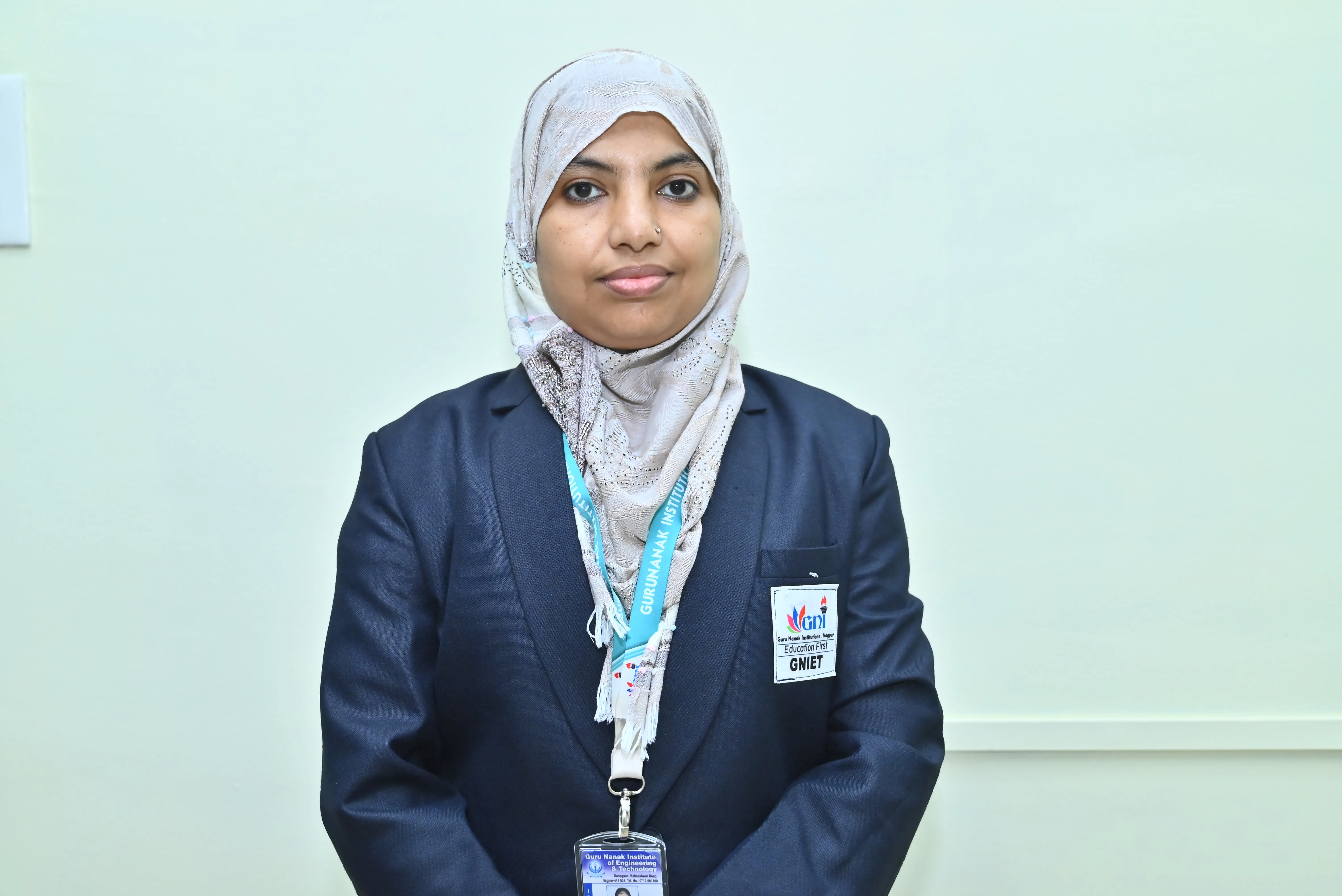
Dr. Kishor Wagh

Dr. Kishor N. Wagh

Professor

Qualification: BE, M.Tech, Ph.D

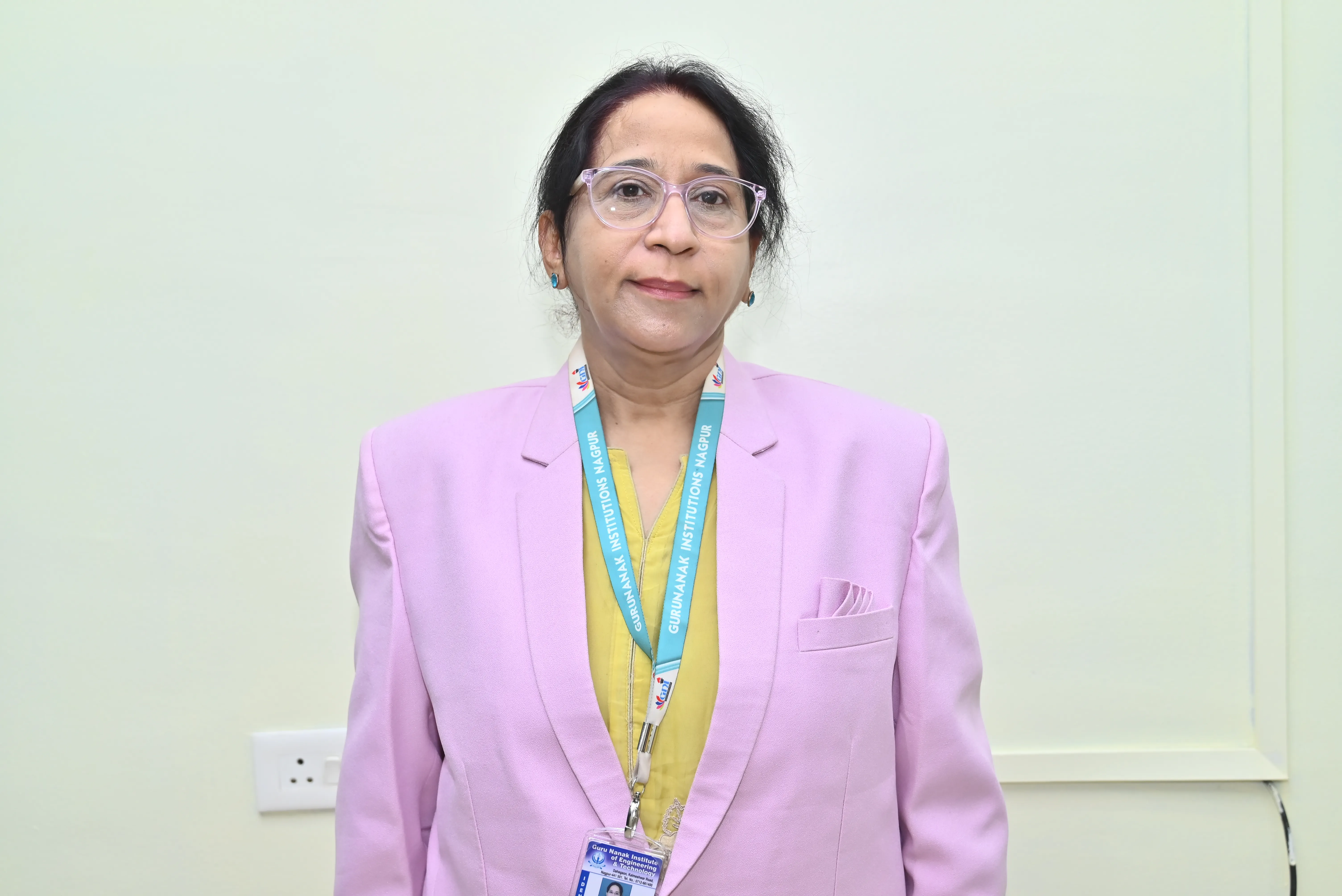
Dr. Sadaf Gauhar

Dr. Sadaf M. Gauhar

Professor

Qualification: B.Sc, M.Sc, Ph.D

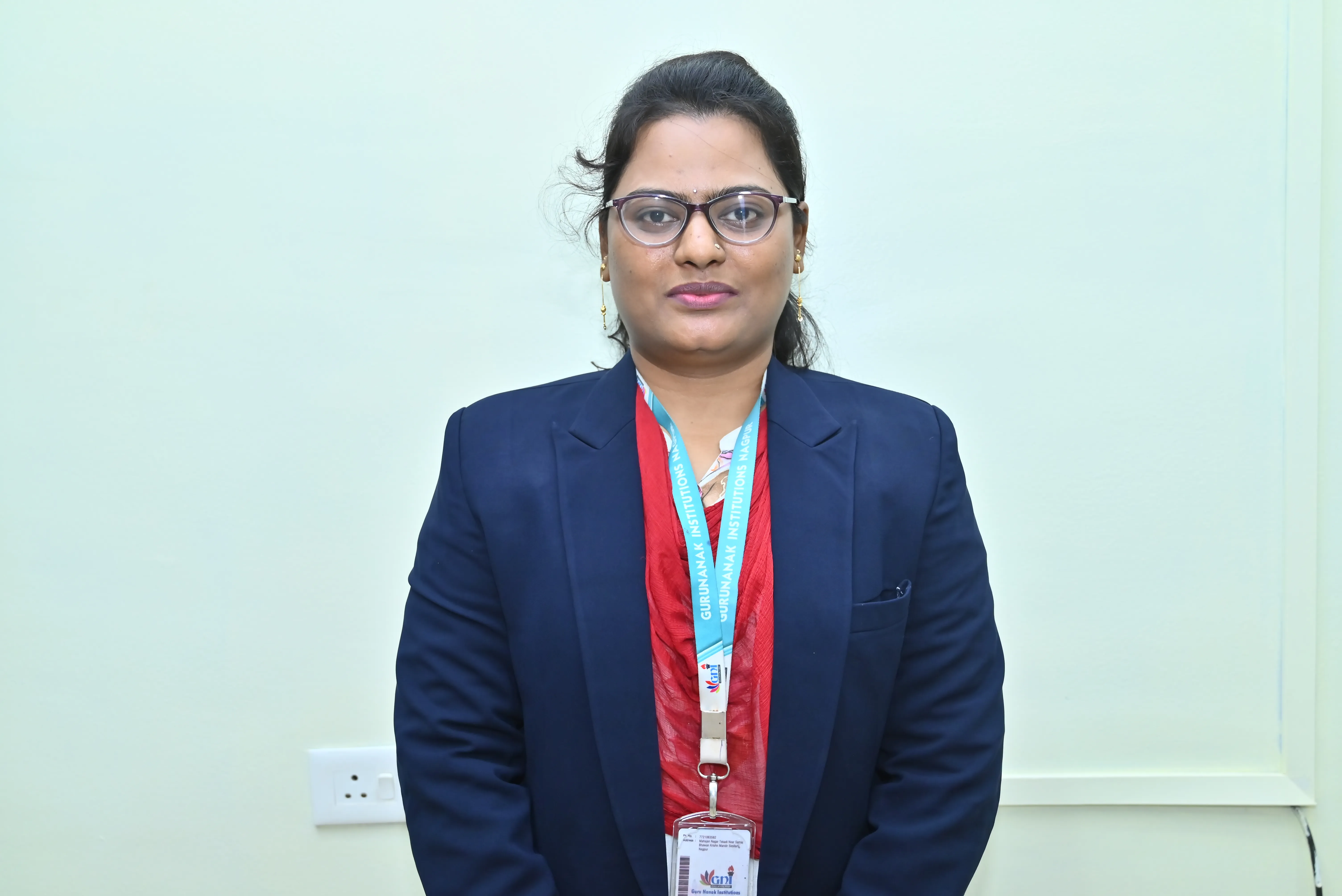
Ms. Fouziya Ansari

Ms. Fouziya G. Ansari

Assistant Professor

Qualification: B.Sc, M.Sc

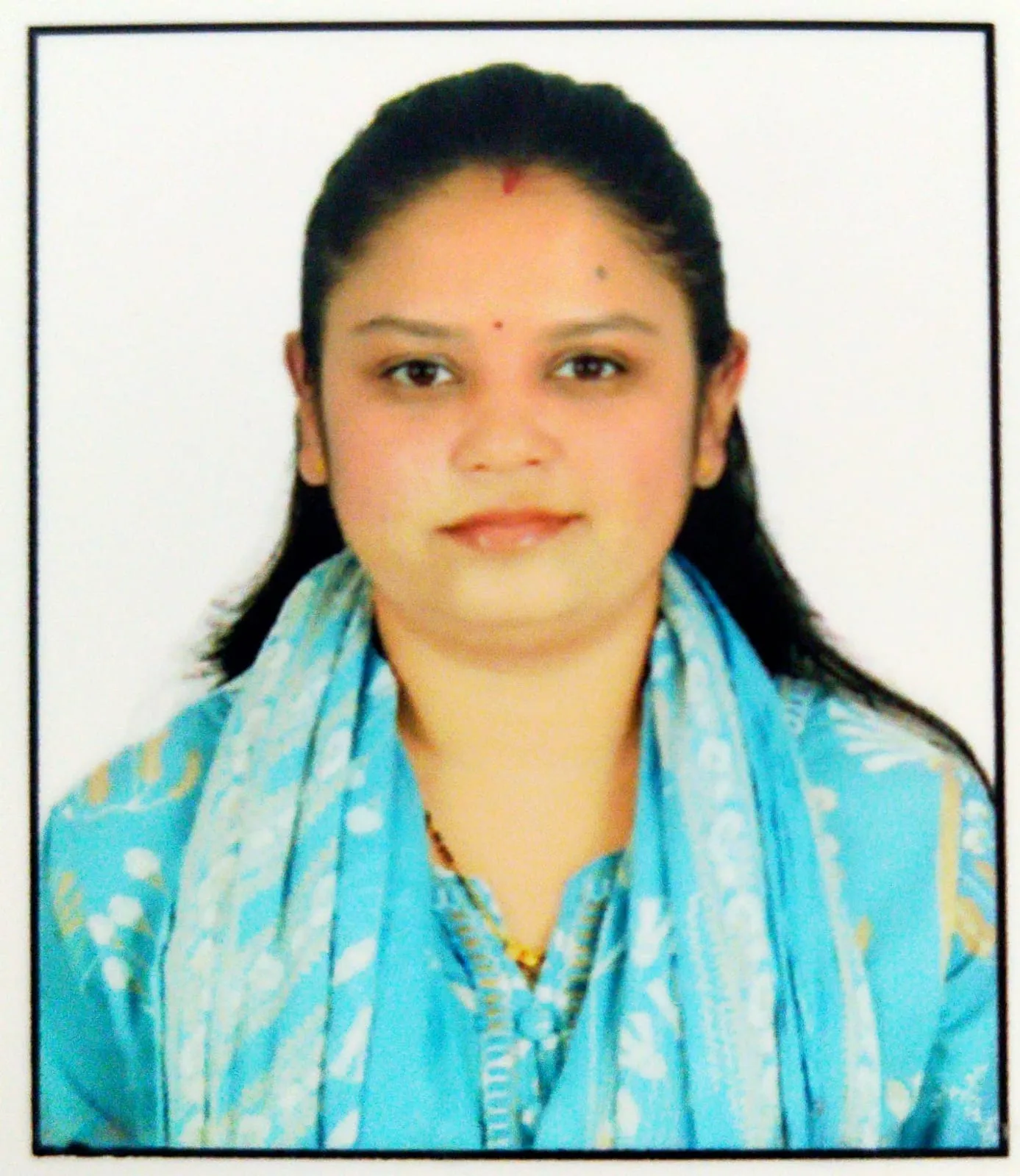
Ms. Pranali Kharwade

Ms. Pranali P. Kharwade

Assistant Professor

Qualification: B.Sc, M.Sc, B.Ed

Ms. Shamina Siddique

Ms. Shamina A. Siddique

Associate Professor

Qualification: M.Ed, M.A, M.Phil

Ms. Switi Maske

Ms. Switi R. Maske

Assistant Professor

Qualification: B.Sc, M.Sc

Ms. Harsha Warhade

Ms. Harsha P. Warhade

Assistant Professor

Qualification: B.Sc, M.Sc

Mr. Maroti Alat

Mr. Maroti P. Alat

Assistant Professor

Qualification: BCA, MBA

Ms. Manjusha Chavhan

Ms. Manjusha B. Chavhan

Assistant Professor

Qualification: B.Sc, M.Sc

Ms. Vaishnavi Parhad

Ms. Vaishnavi V. Parhad

Assistant Professor

Qualification: B.Sc, M.Sc

Ms. Sujata Langde

Ms. Sujata A. Langde

Assistant Professor

Qualification: B.Sc, M.Sc

Ms. Ankita Akhare

Ms. Ankita R. Akhare

Assistant Professor

Qualification: BCCA, MCA

Laboratories & Facilities

Chemistry Lab
Chemistry Lab
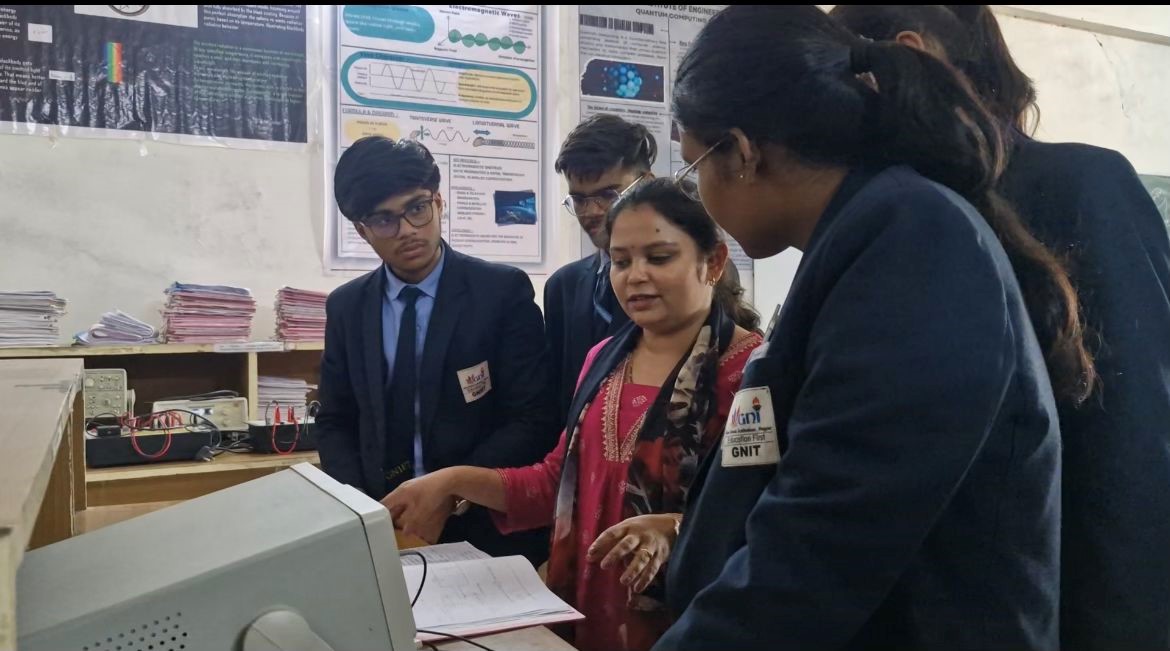
Physics Lab
Physics Lab
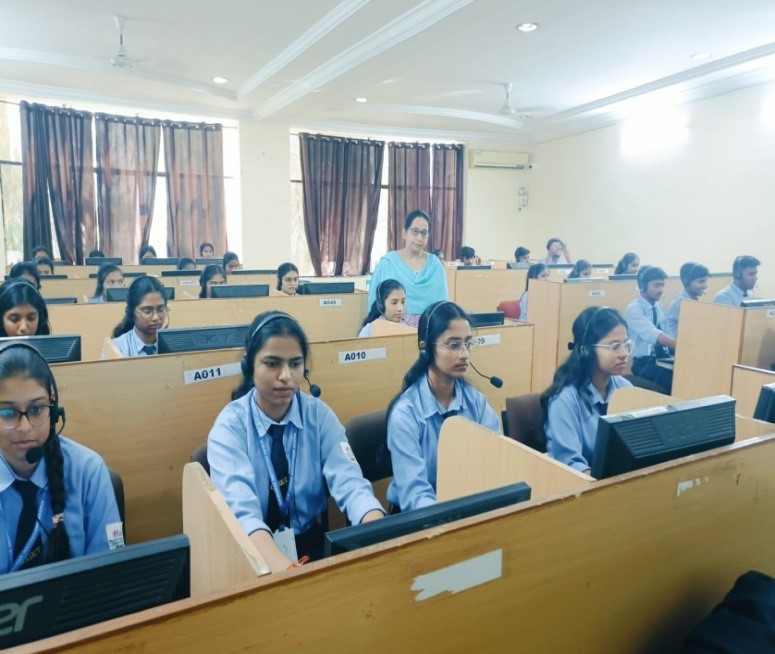
Language Lab
Language Lab

Faculty Achievement

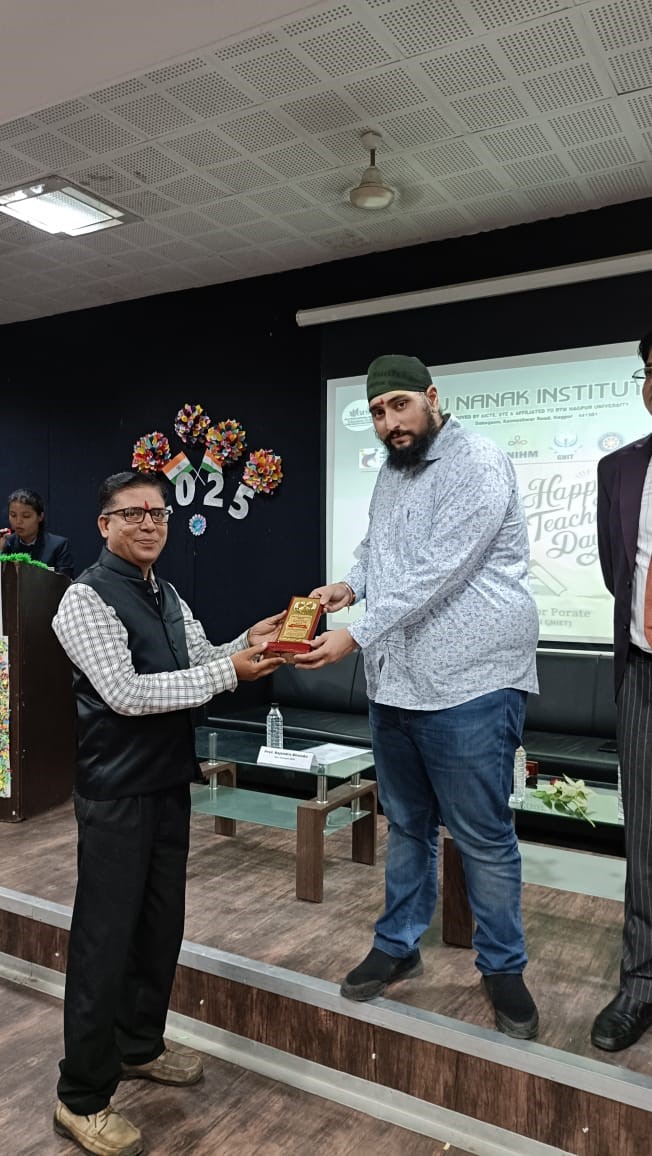
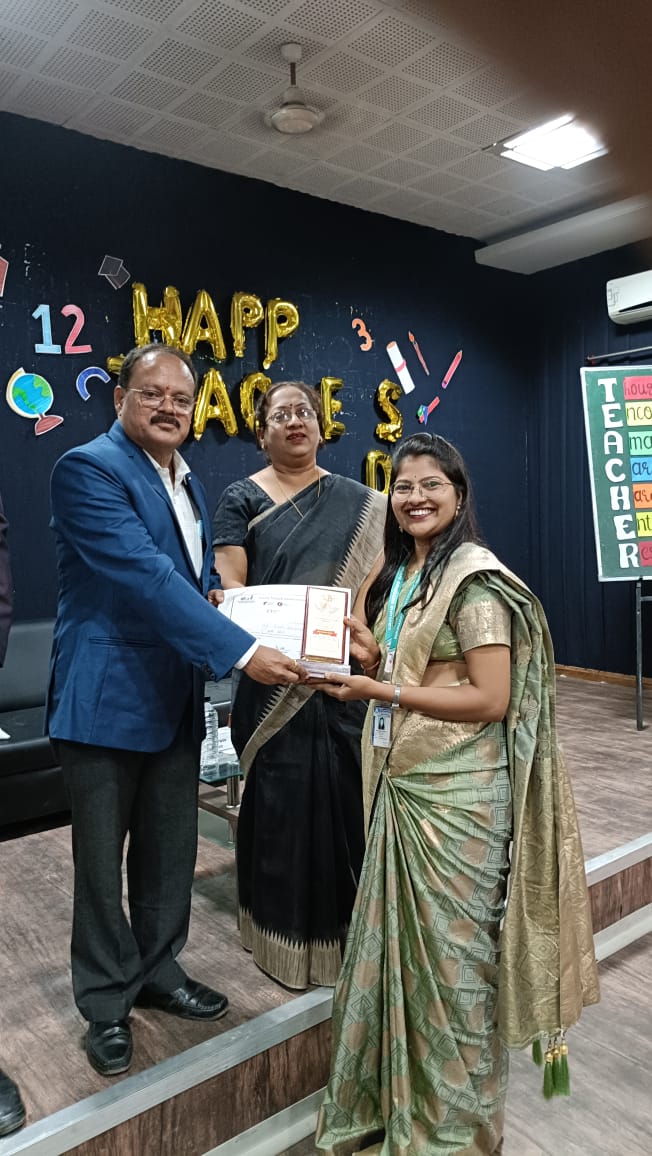
Best Teacher Award 2025

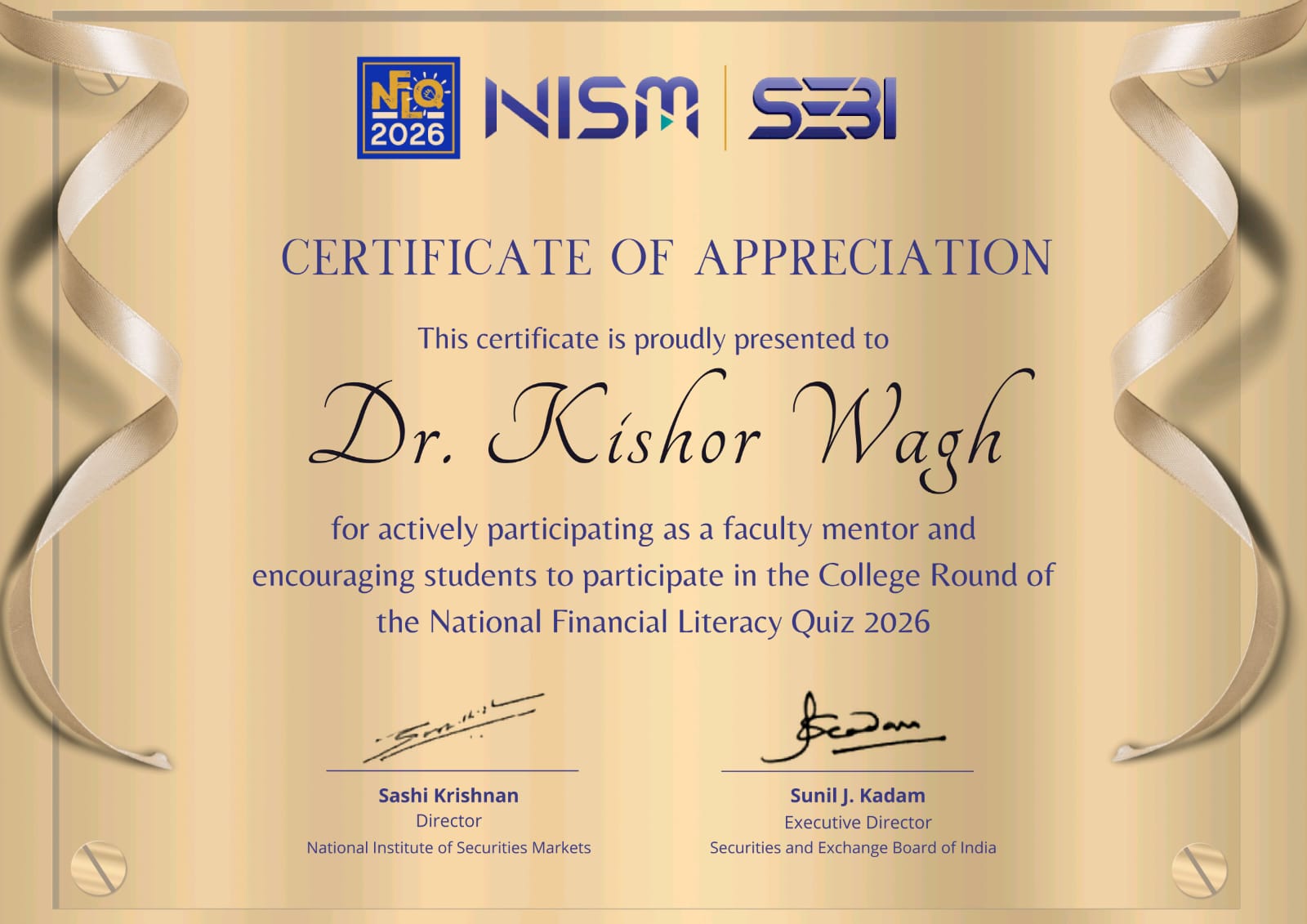
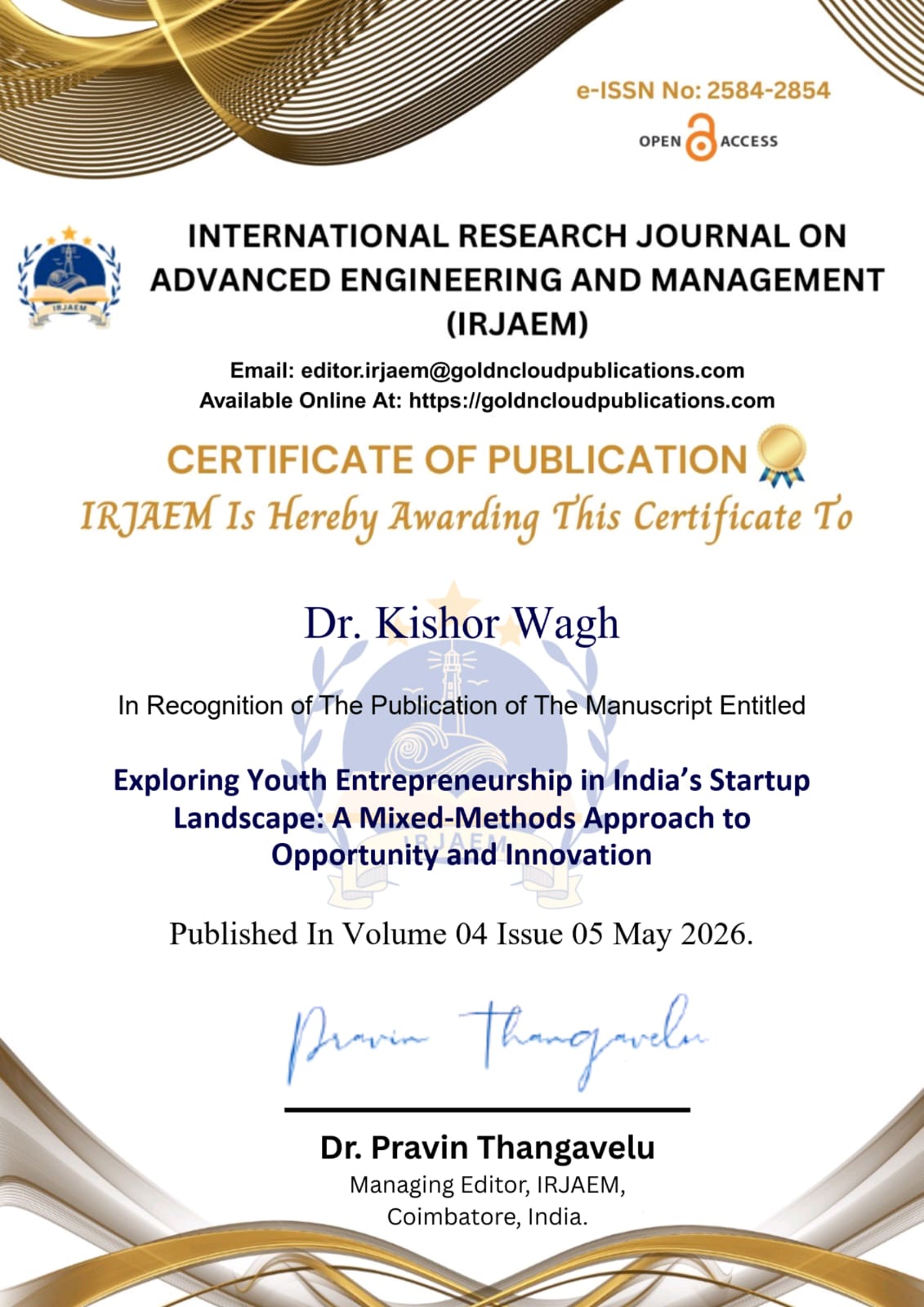
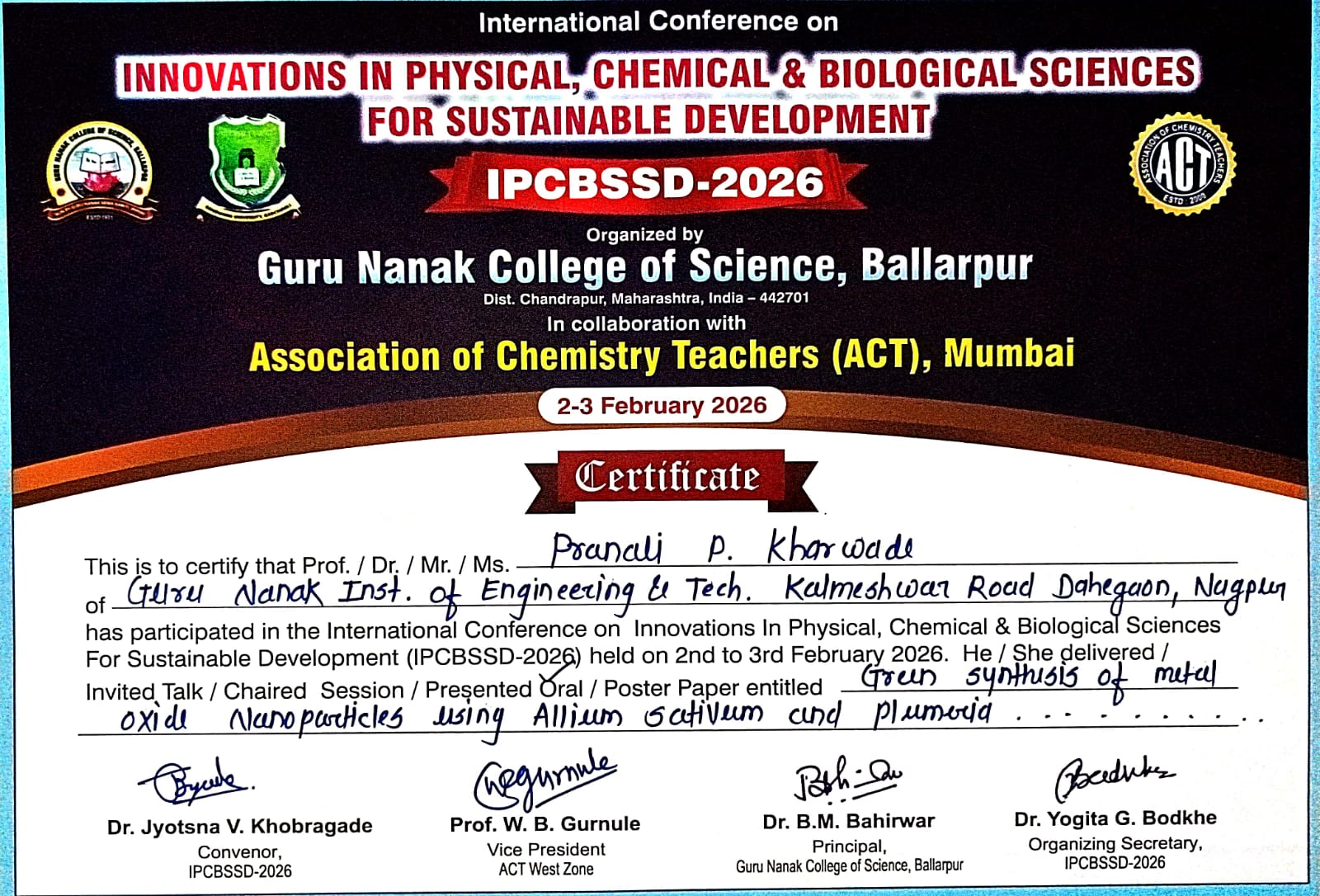
Dr. Kishor Wagh      Prof. Pranali Kharwade

Best Teacher 1
Best Teacher 2
Patent by Prof. Shamina Siddique
Patent Shamina 1
Patent Shamina 2
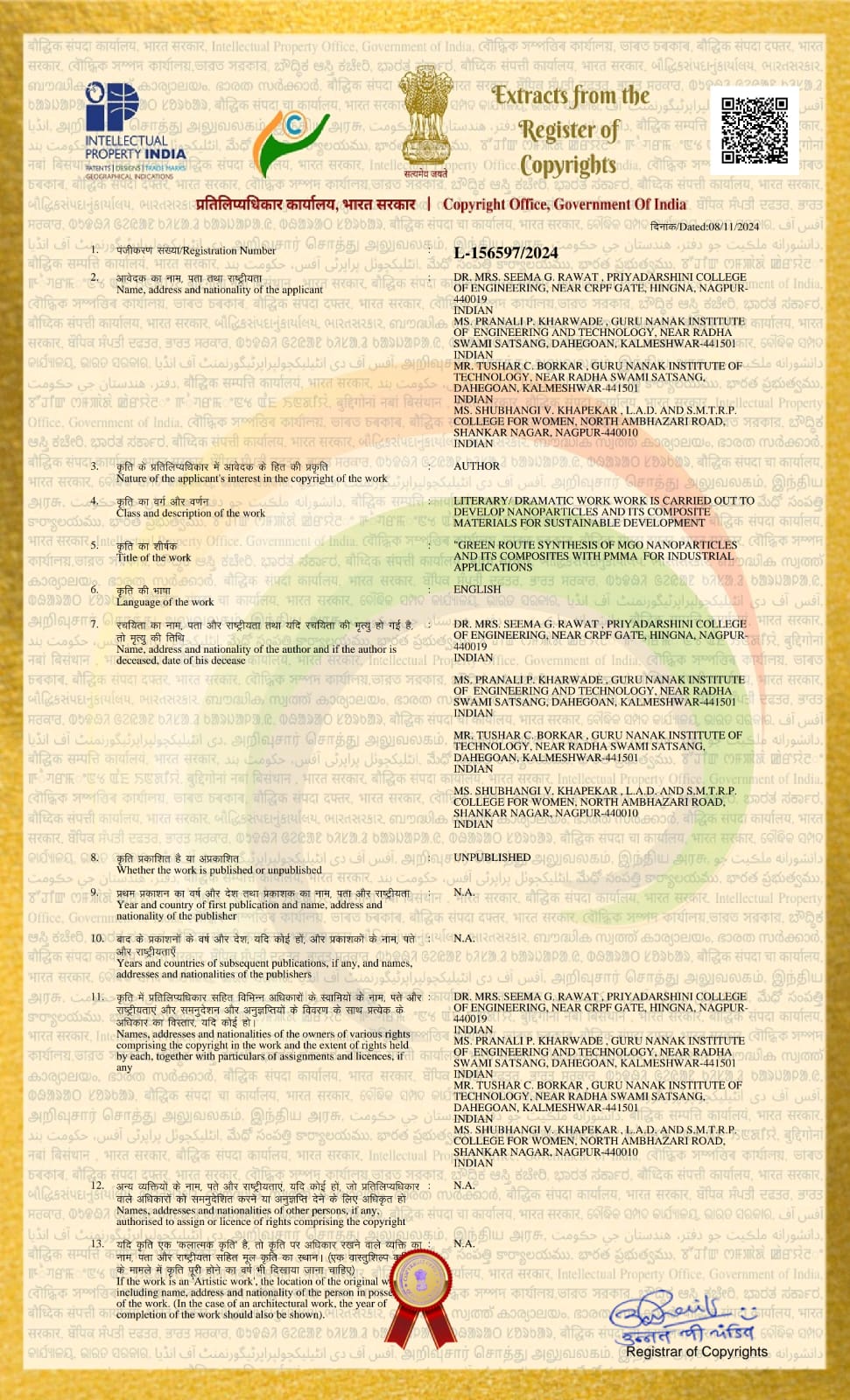
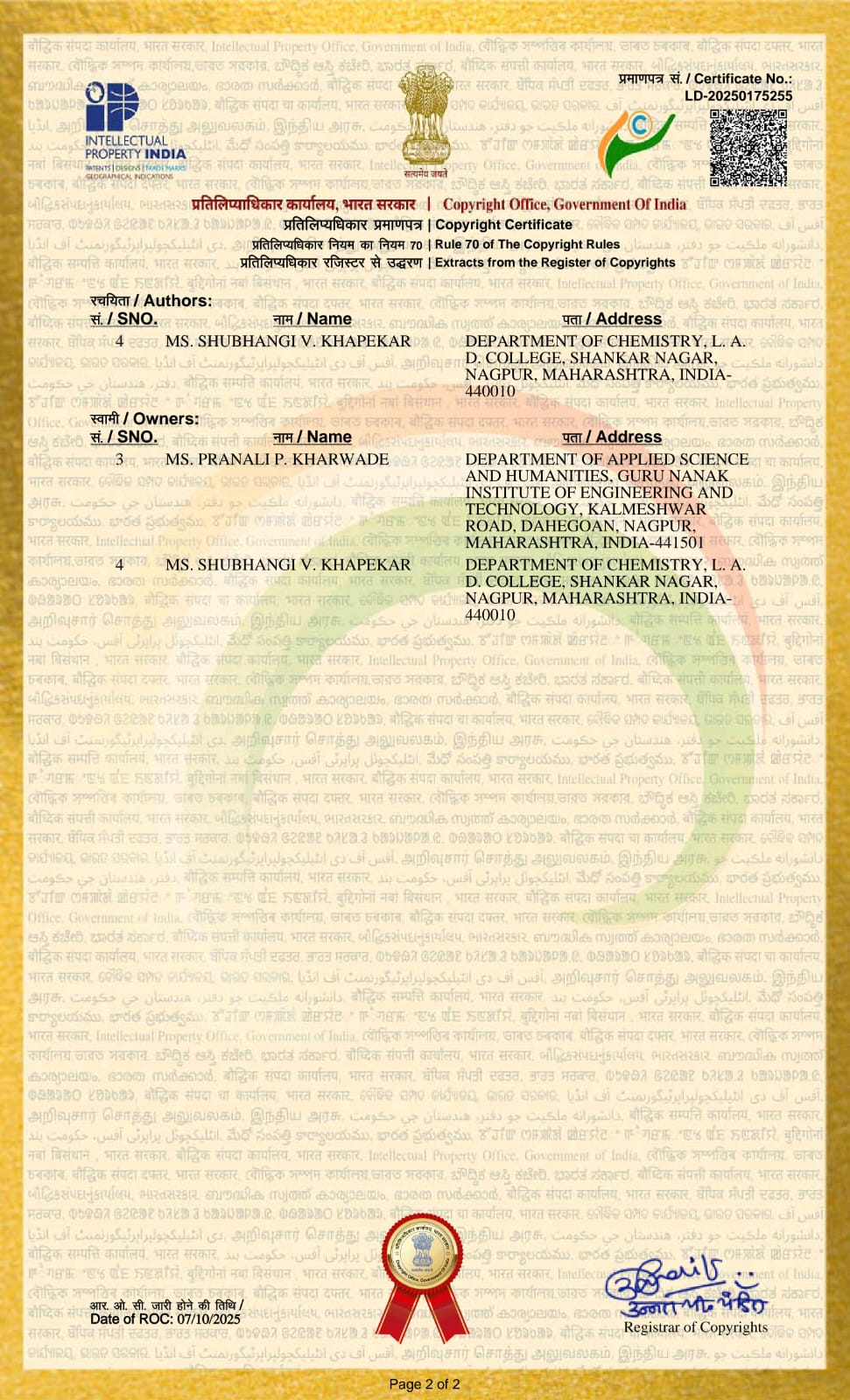
Copyright by Prof. Pranali Kharwade
Copyright Pranali 1
Copyright Pranali 2
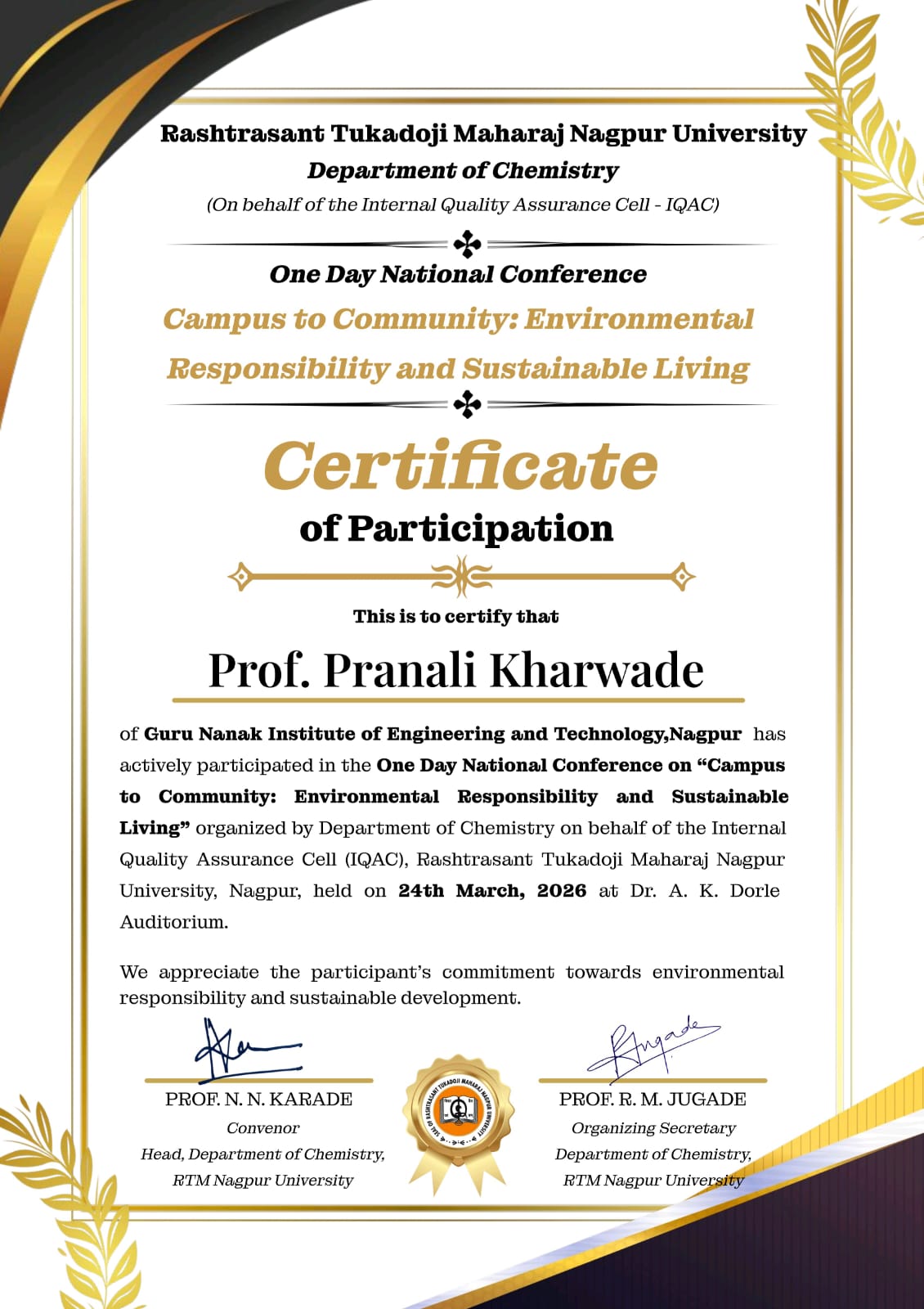
FDP/ STTP /Conference Attend Certificates
Certificate 1
Certificate 2
Certificate 3
Certificate 4
Certificate 5

Students Achievement

1. Ideathon (Intercollegiate Event)

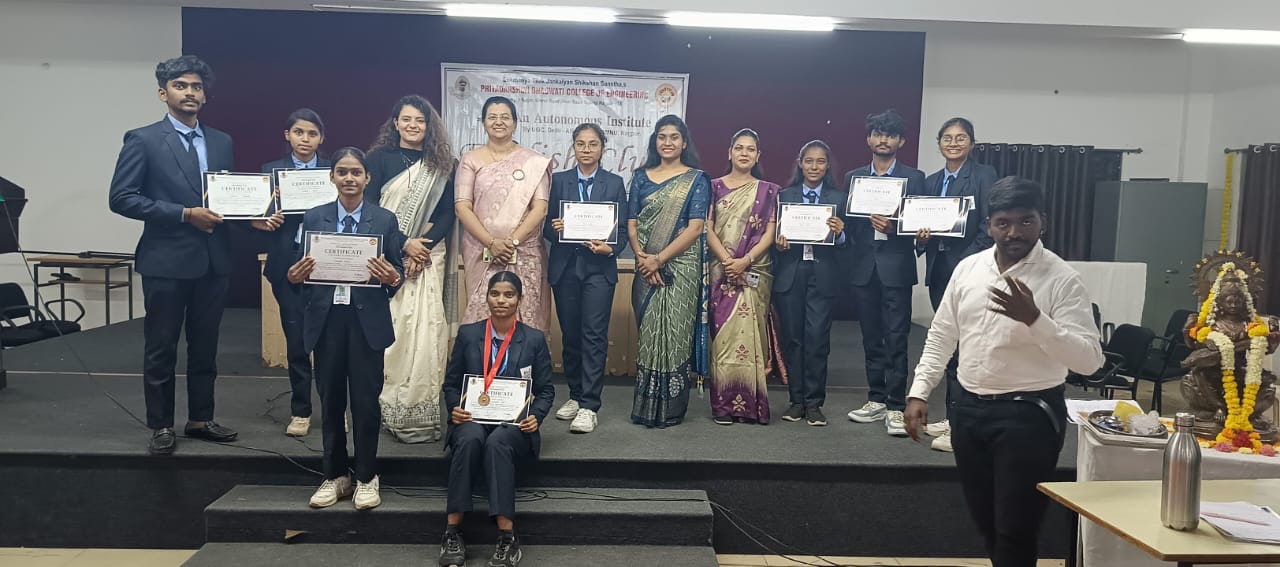
Organized by English Club under IQAC at Priyadarshini Bhagwati College of Engineering, Nagpur on 15 November 2025 – 08 participants, 2nd Position achieved.

Ideathon 1
Ideathon 2
Ideathon 3
2. Learnathon

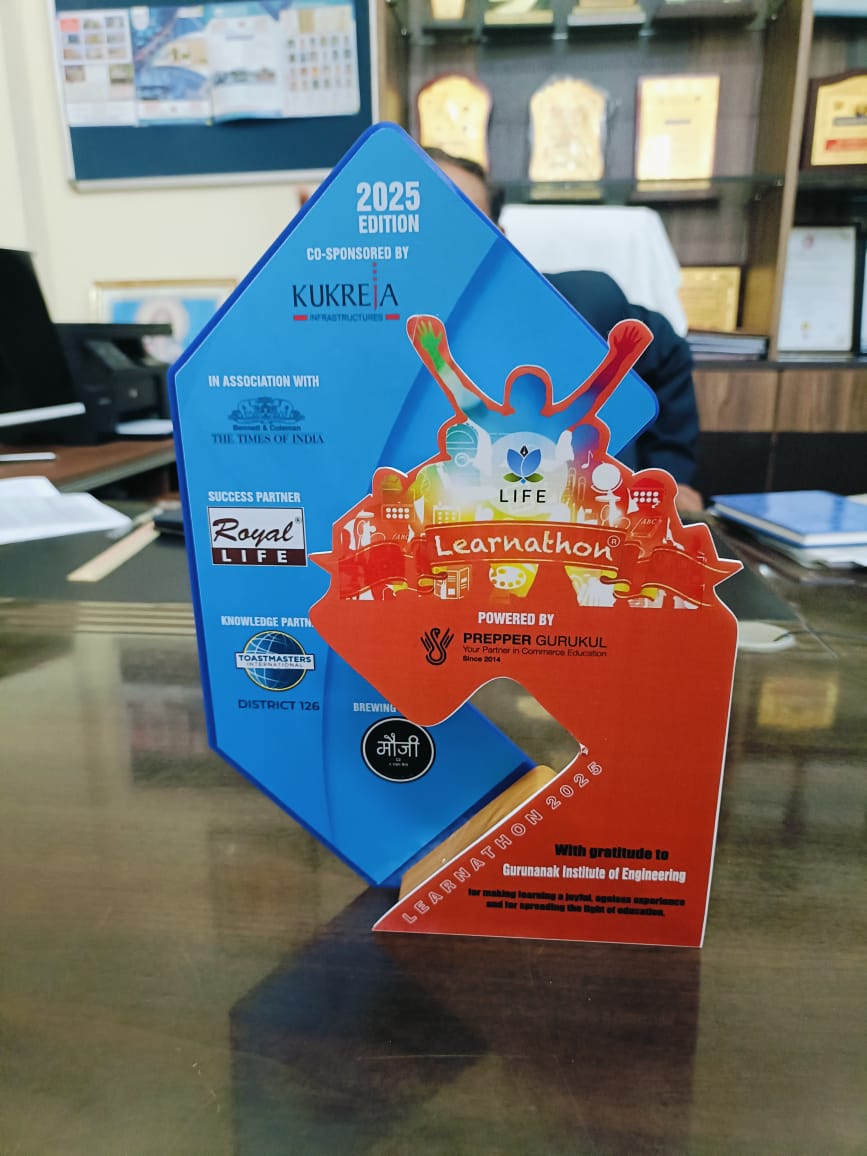
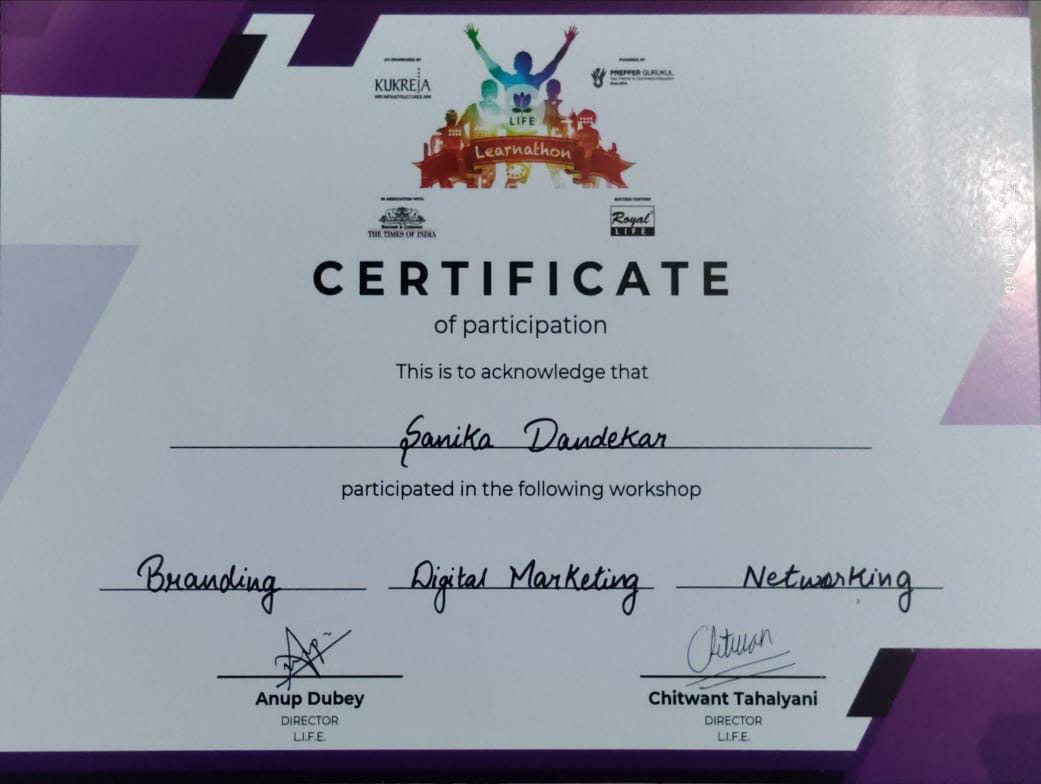
Organized by Prepper Gurukul in association with The Times of India on 09 November 2025 with 03 participants.

Learnathon 1
Learnathon 2
Learnathon 3
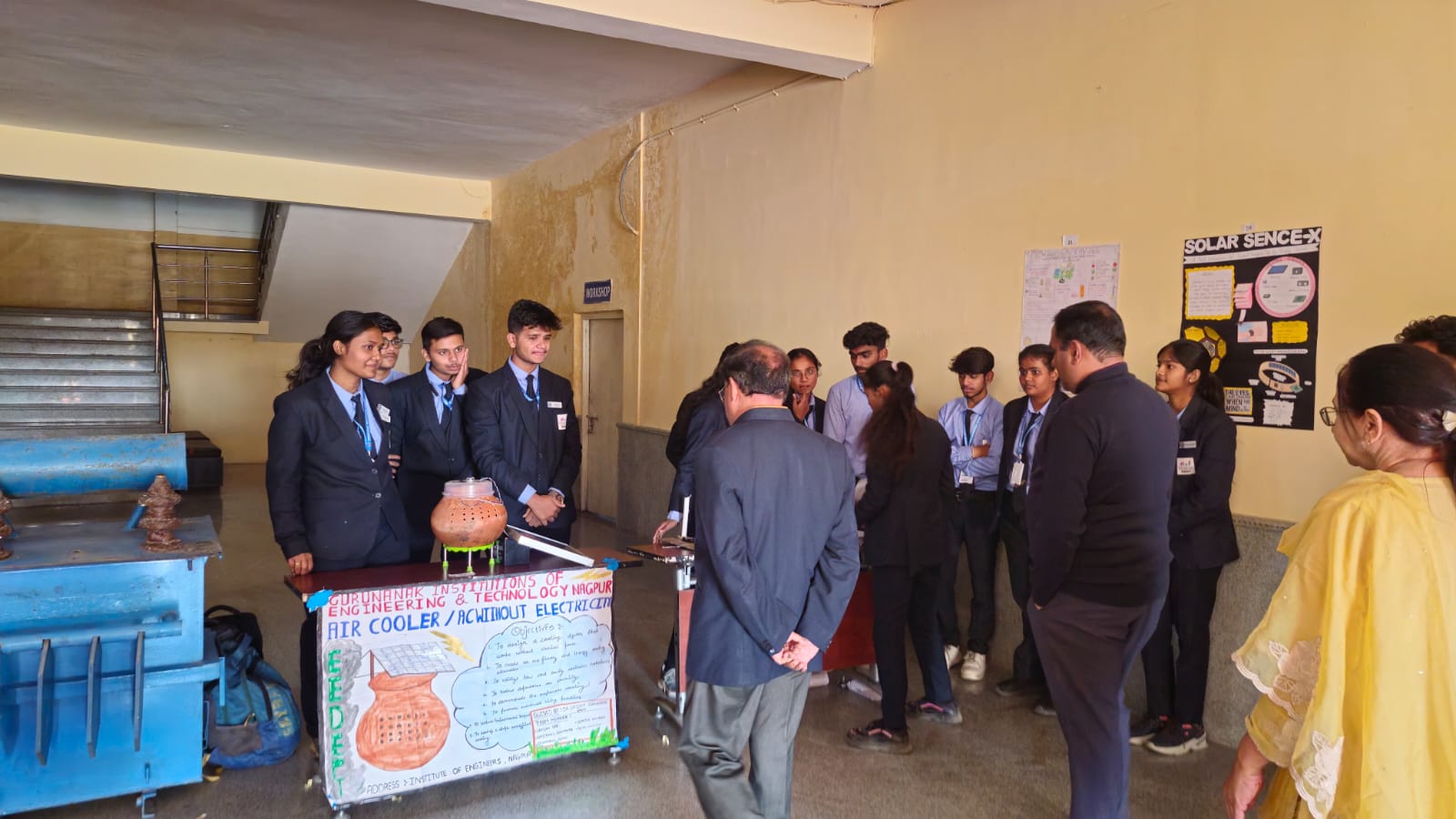
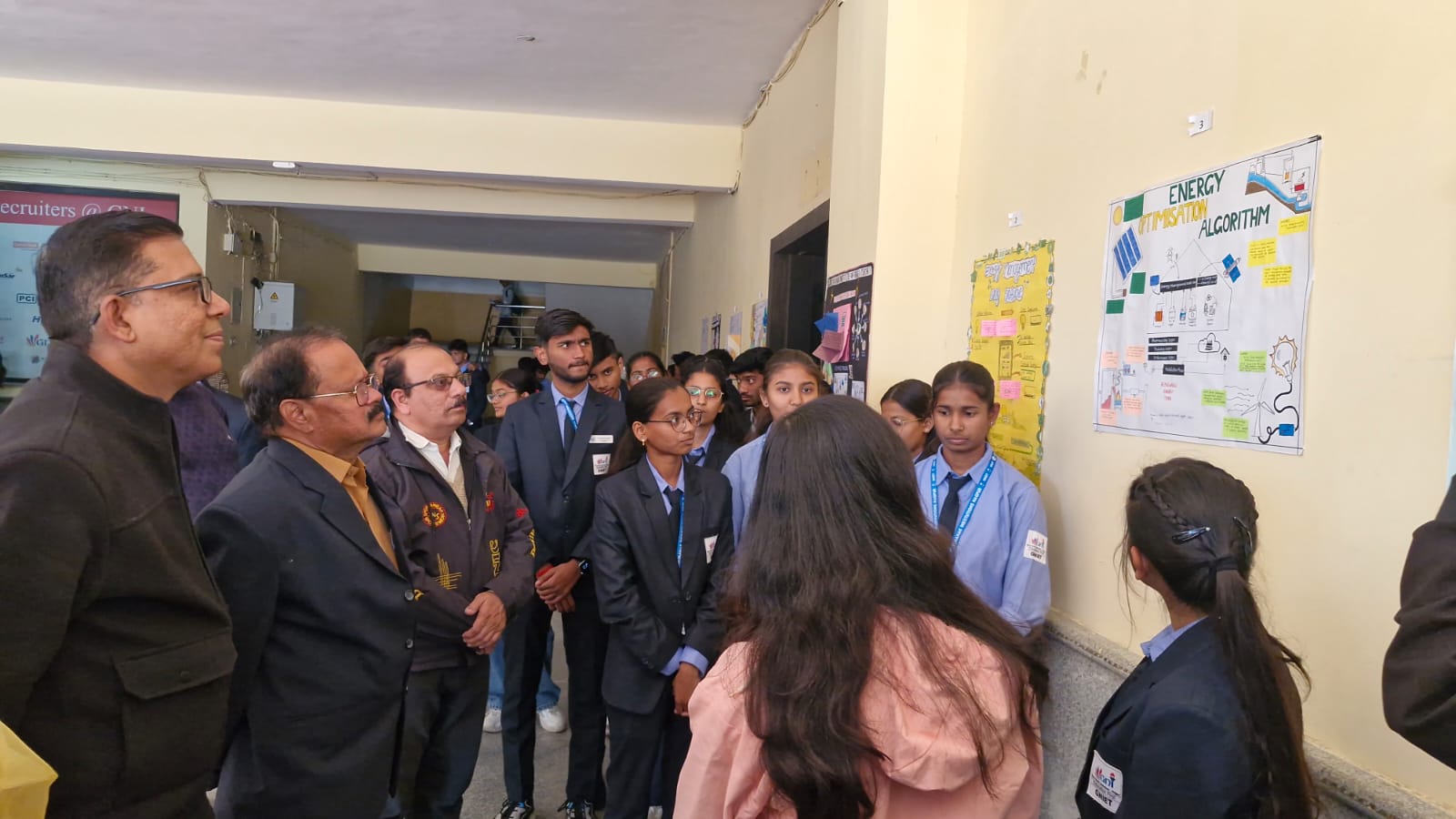
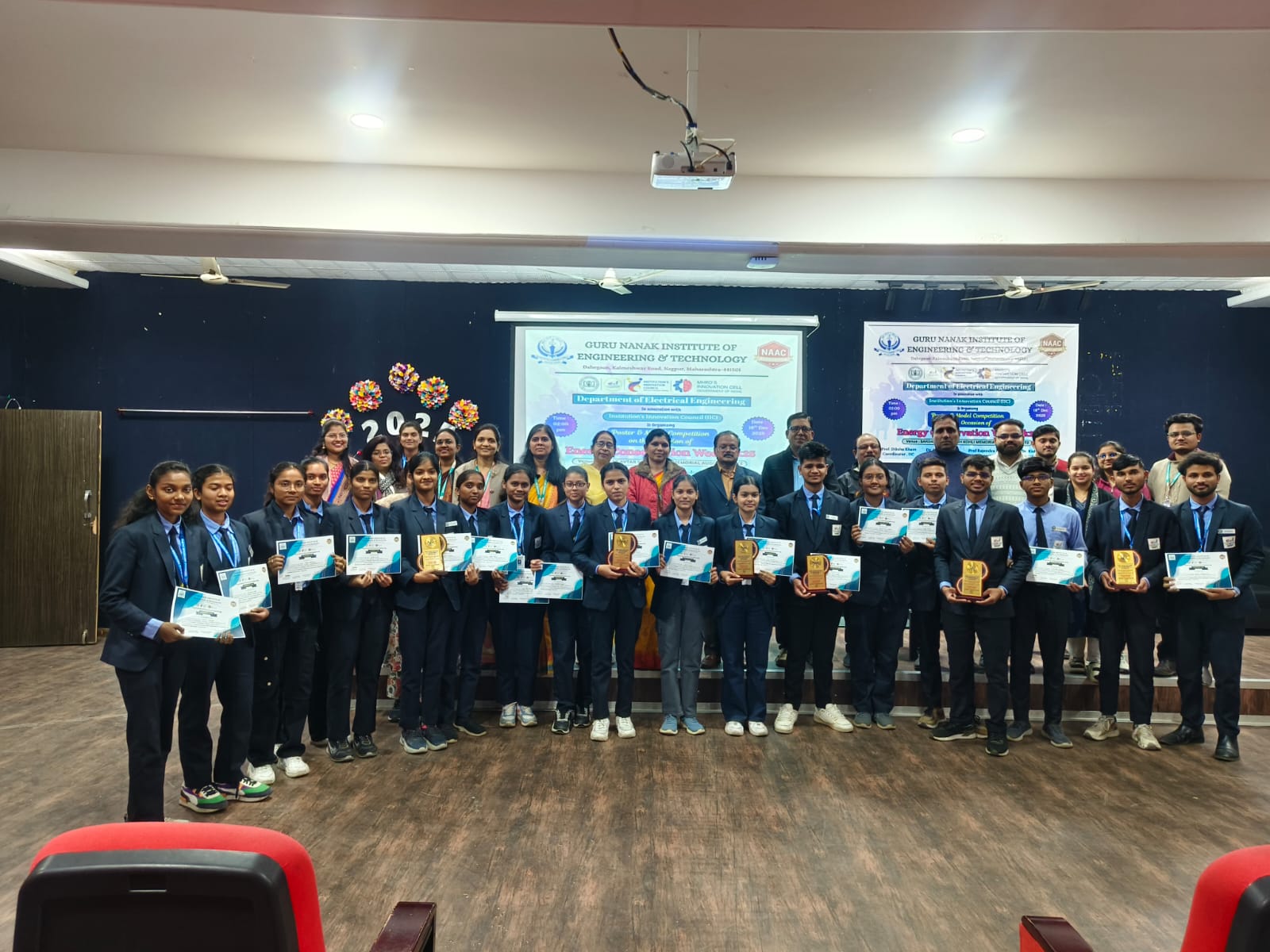
3. Poster & Model Competition

On the occasion of Energy Conservation Week organised by EE Department & IIC (Collegiate Event) 18 Dec 2025, GNIET, Nagpur.

Poster & Model 1
Poster & Model 2
Poster & Model 3
Poster & Model 4
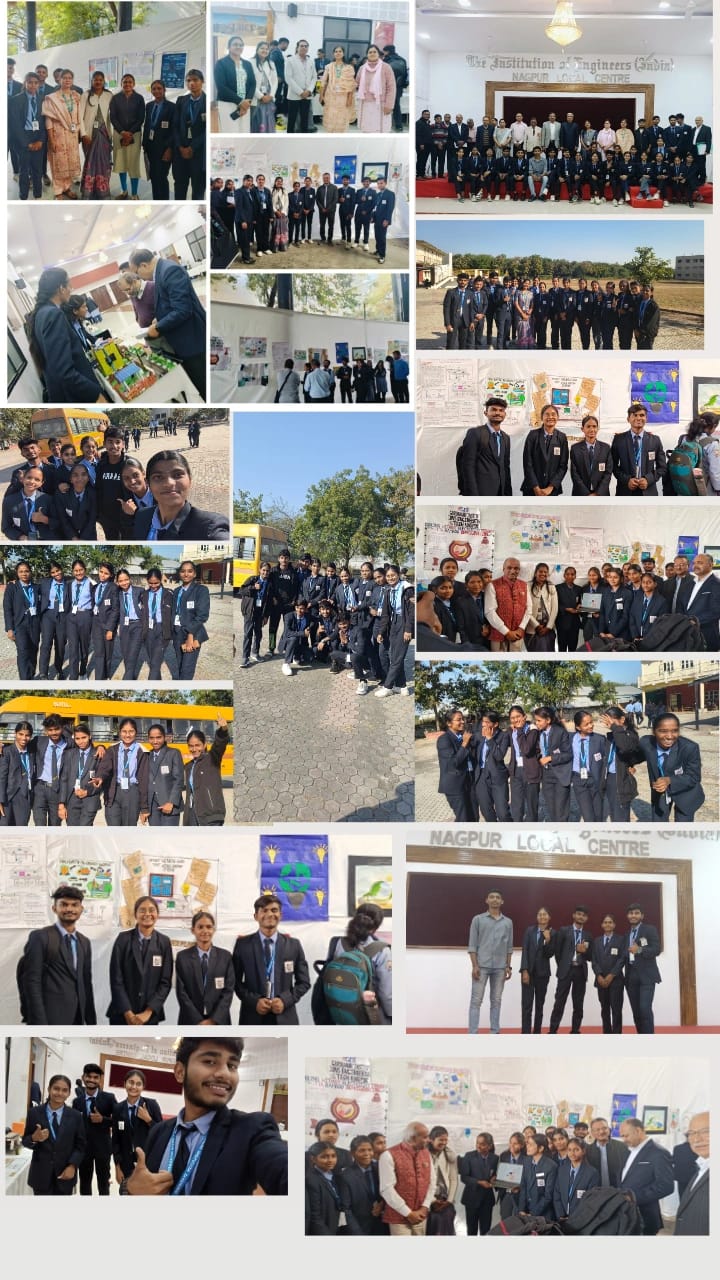
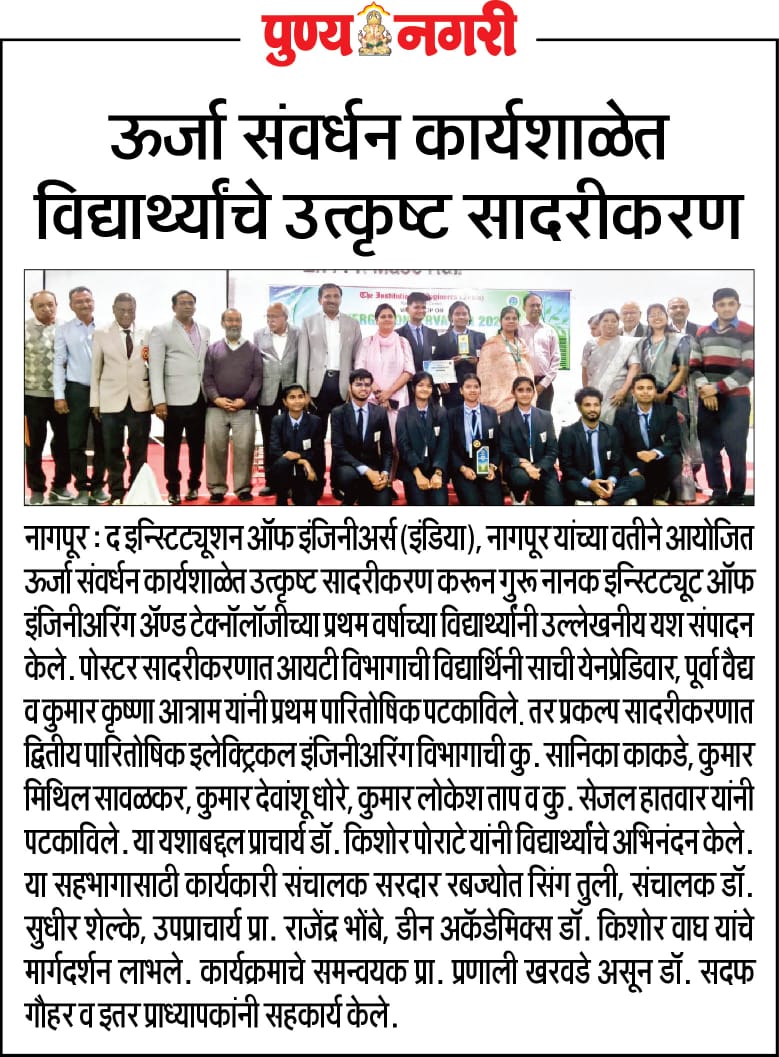
4. Energy Conservation Workshop (Poster & Model Presentation)

On 24 February 2026 at Nagpur – 71 participants, 1st Prize (Poster): Krishna Atram, Sachi Yenprediwar, Purva Vaidya; 2nd Prize (Model): Sanika Kakde, Lokesh Tap, Devanshu Dhore, Smithil Sawarkar, Sejal Hatwar, and participation certificates for all.

Energy Workshop 1
Energy Workshop 2
Energy Workshop 3
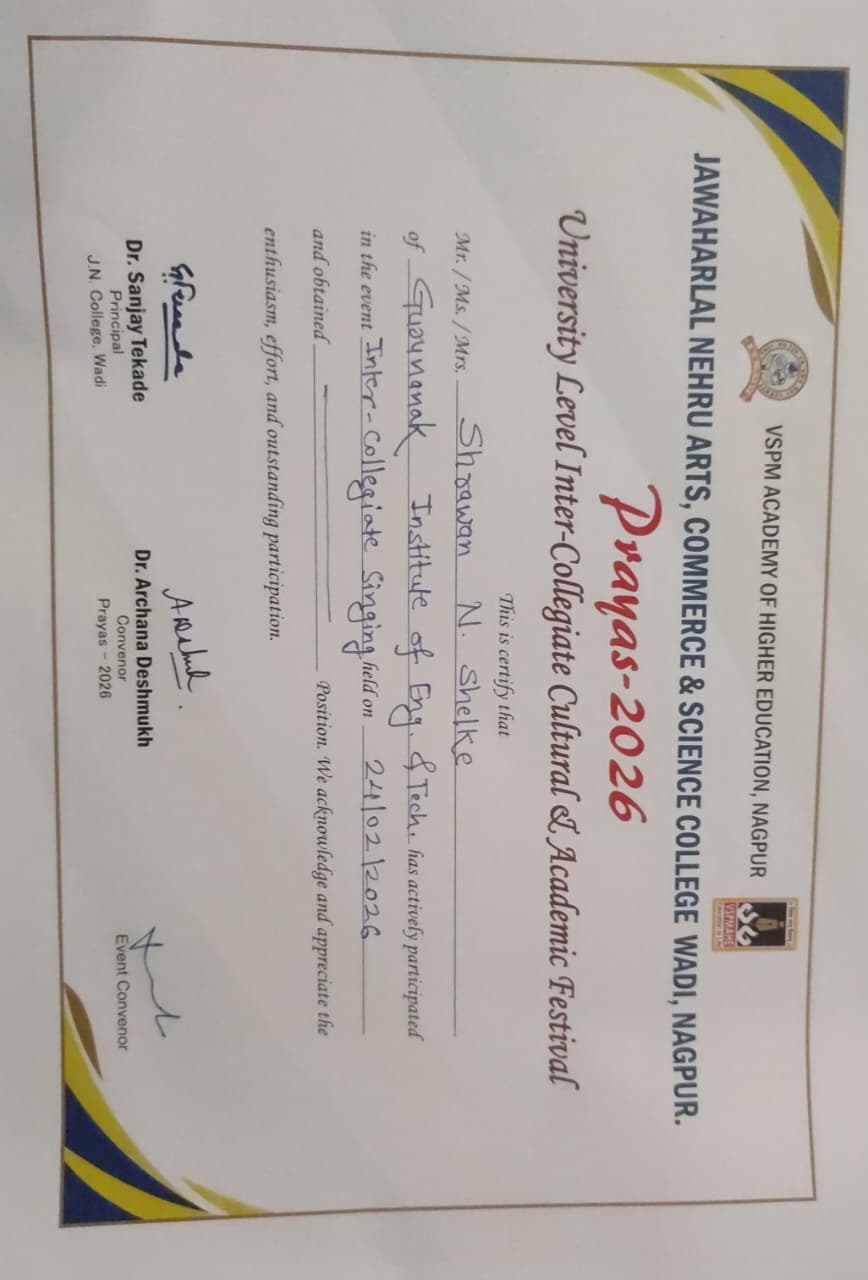
5. Prayas – Intercollegiate Cultural Competition

At Jawaharlal Nehru Arts, Commerce & Science College, Wadi, Nagpur – Shrawan Shelke secured 4th Position.

Prayas 1
Prayas 2
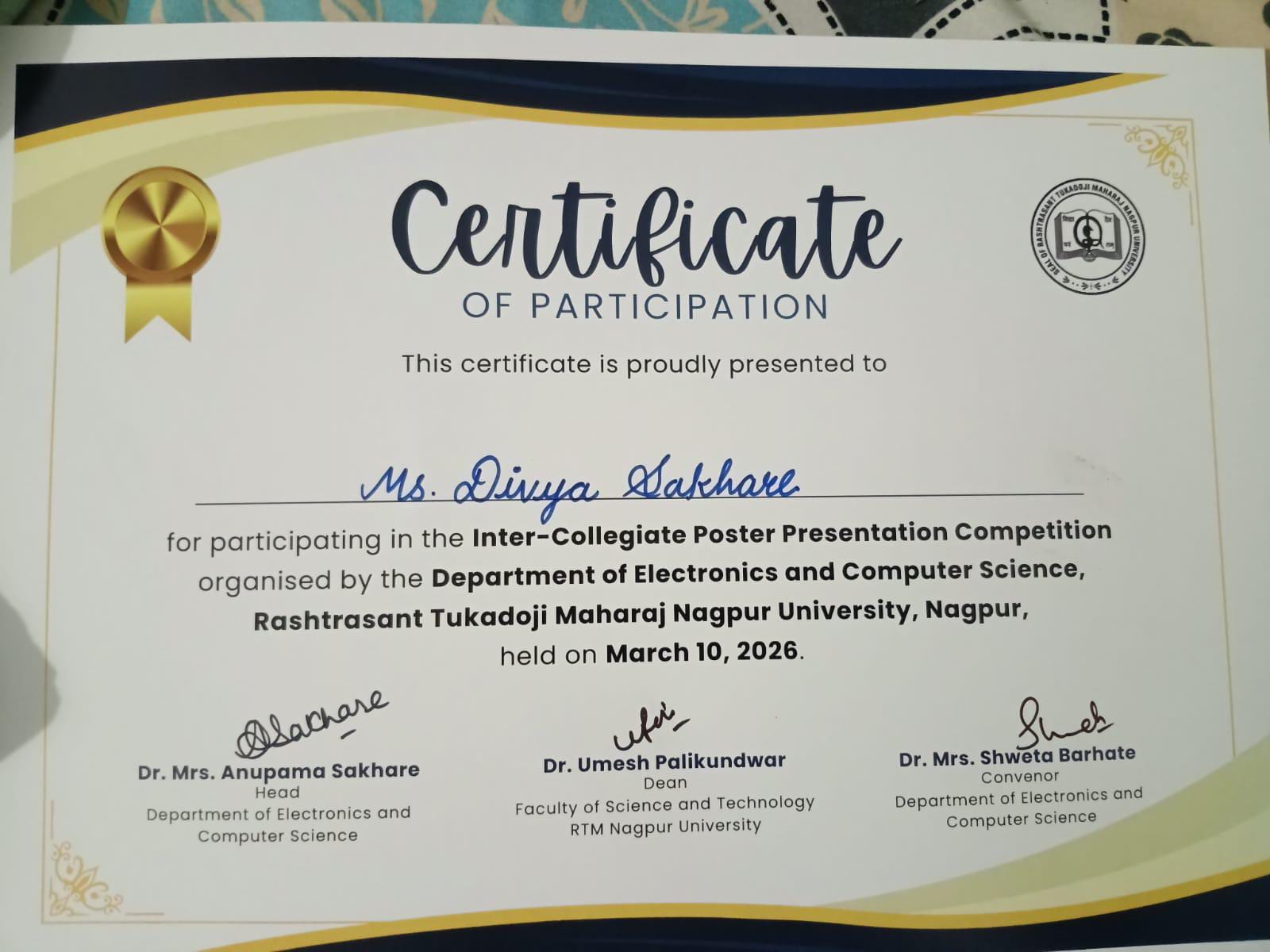
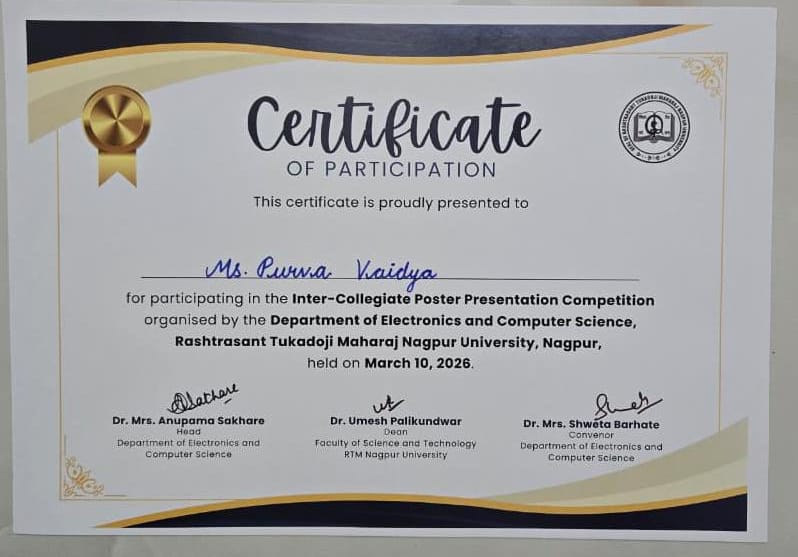
6. Intercollegiate Poster Presentation Competition

Organized by the Department of Electronics and Computer Science at Rashtrasant Tukadoji Maharaj Nagpur University, Nagpur on 10 March 2026.

Poster Presentation 1
Poster Presentation 2
Poster Presentation 3
Poster Presentation 4
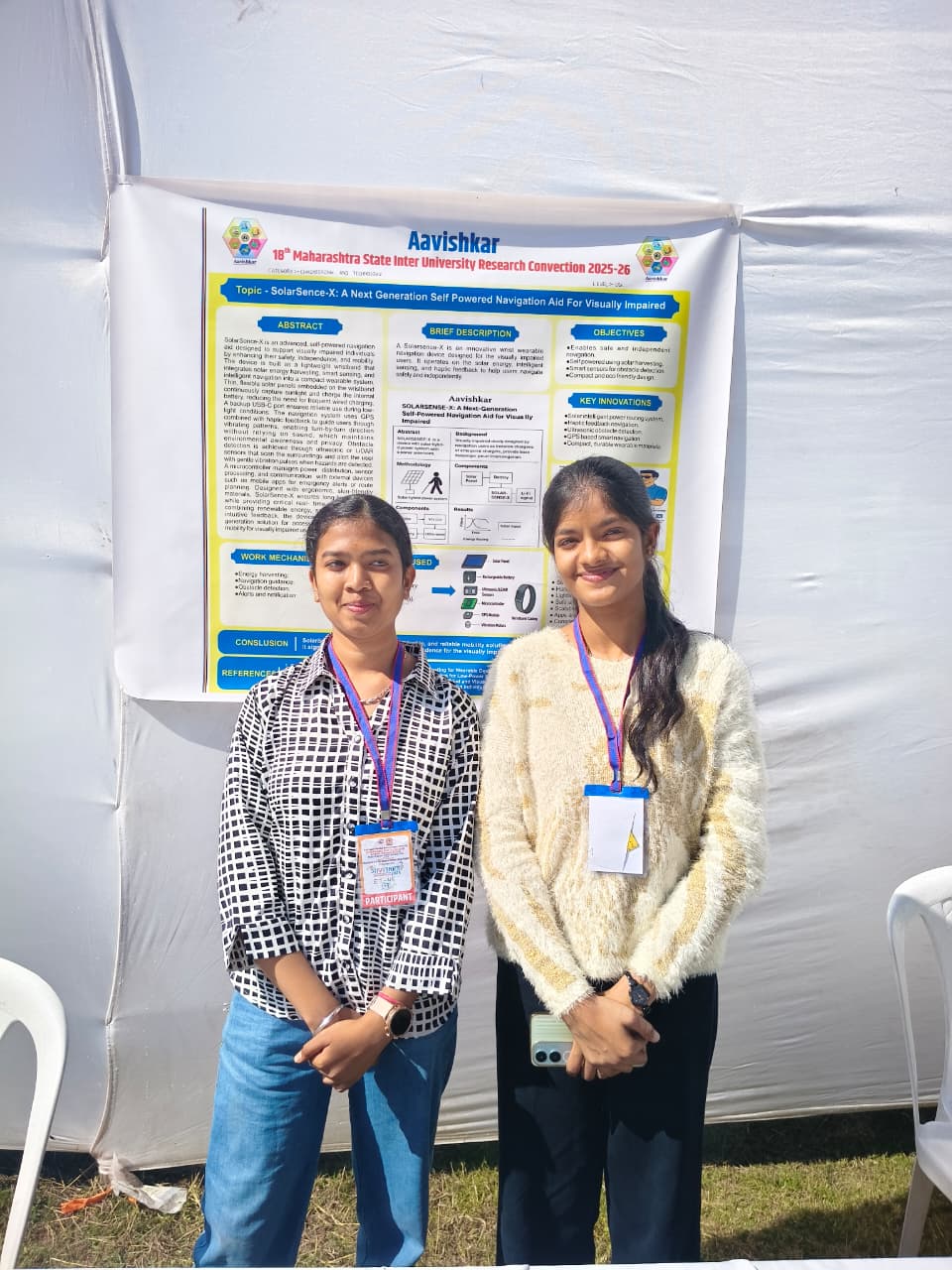
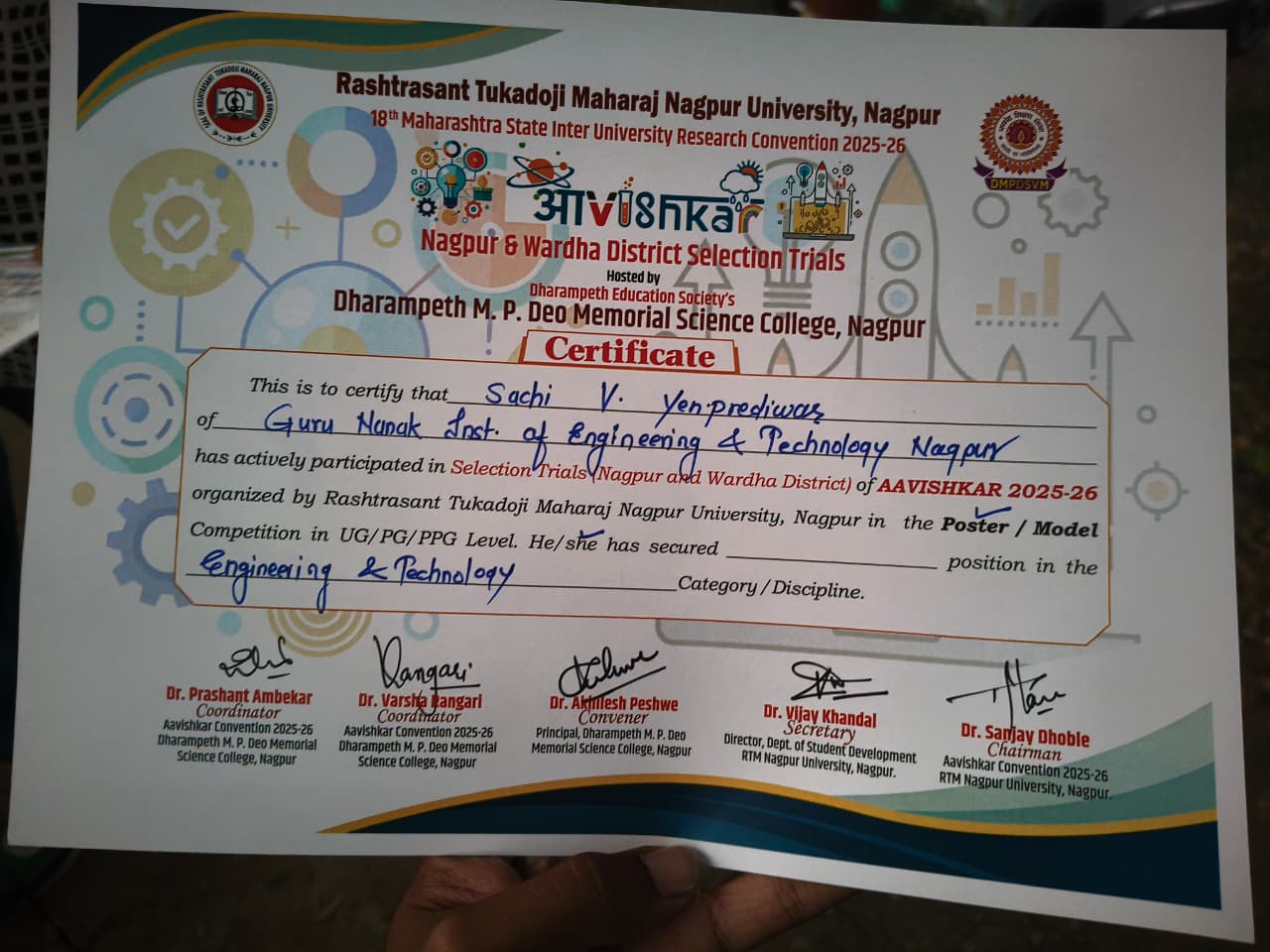
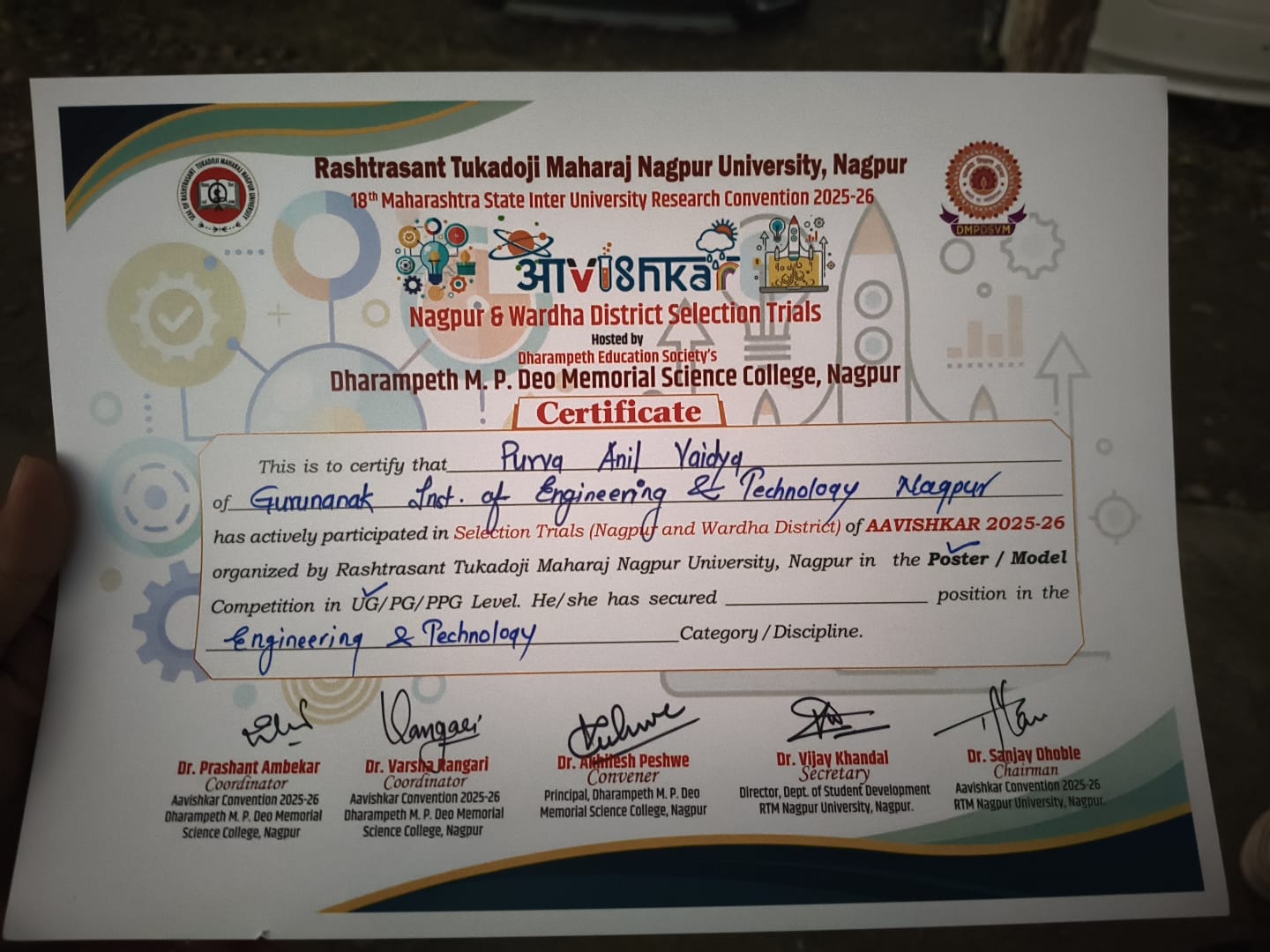
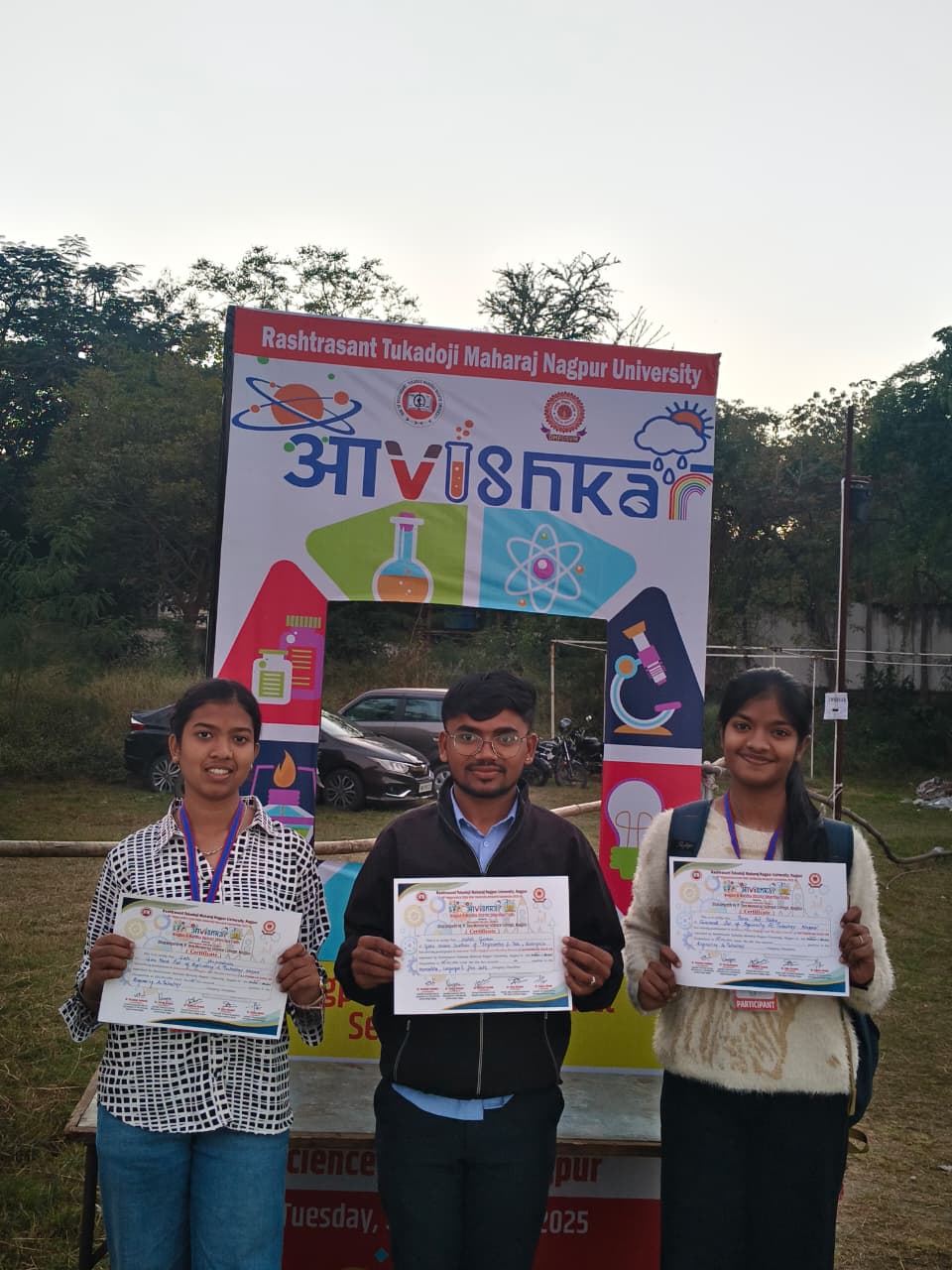
7. Avishkar – 18th Maharashtra State Inter-University Research Convention 2025–26

Held on 9 December 2025 at Dharampeth Science College, Nagpur, witnessed the participation of 02 students.

Avishkar 1
Avishkar 2
Avishkar 3
Avishkar 4
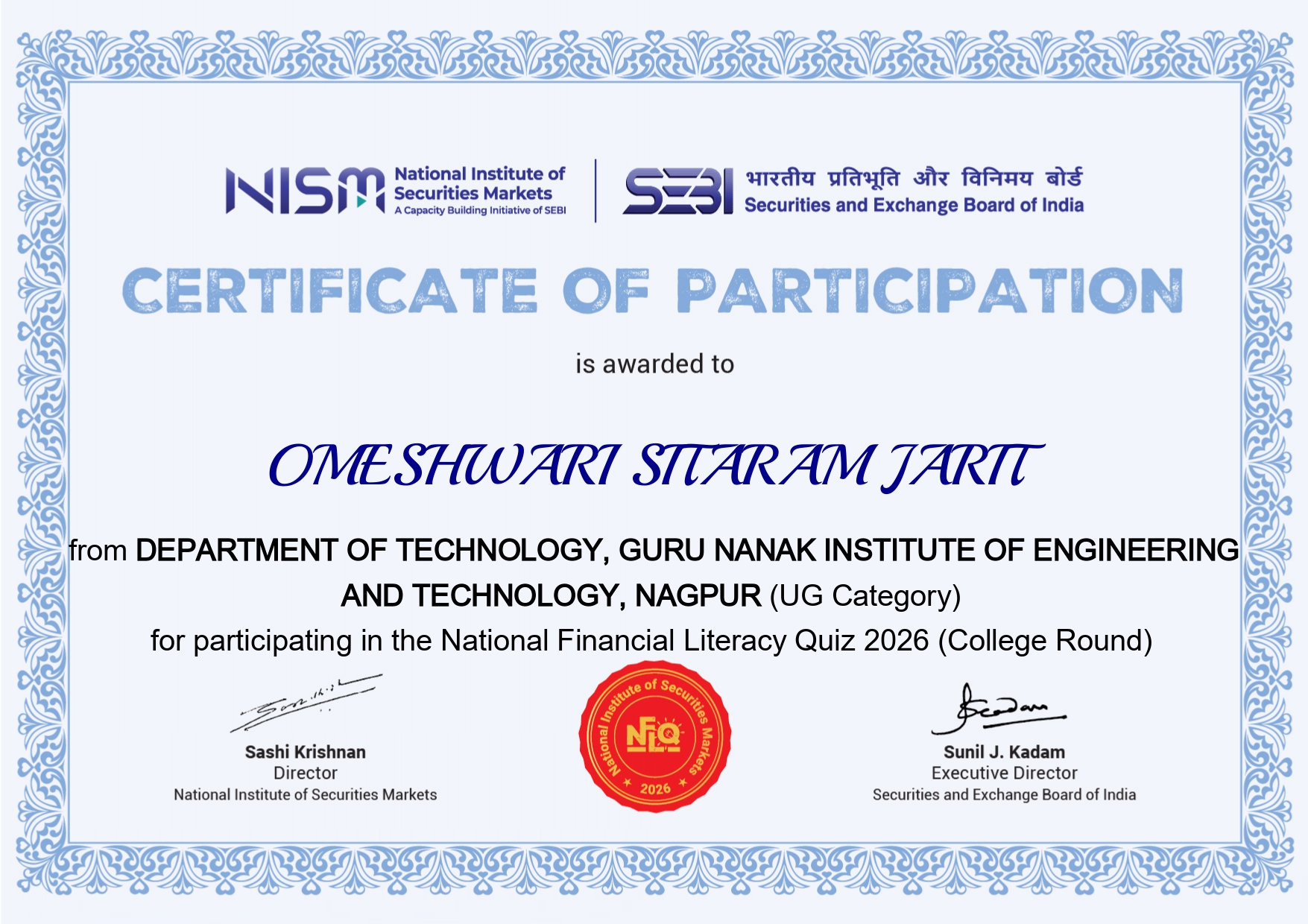
8. National Financial Literacy Quiz 2026

Organized by NISM and SEBI on 24 April 2026, saw the participation of one student, Omeshwari Jarit.

Financial Quiz 1
Financial Quiz 2
Financial Quiz 3
Financial Quiz 4
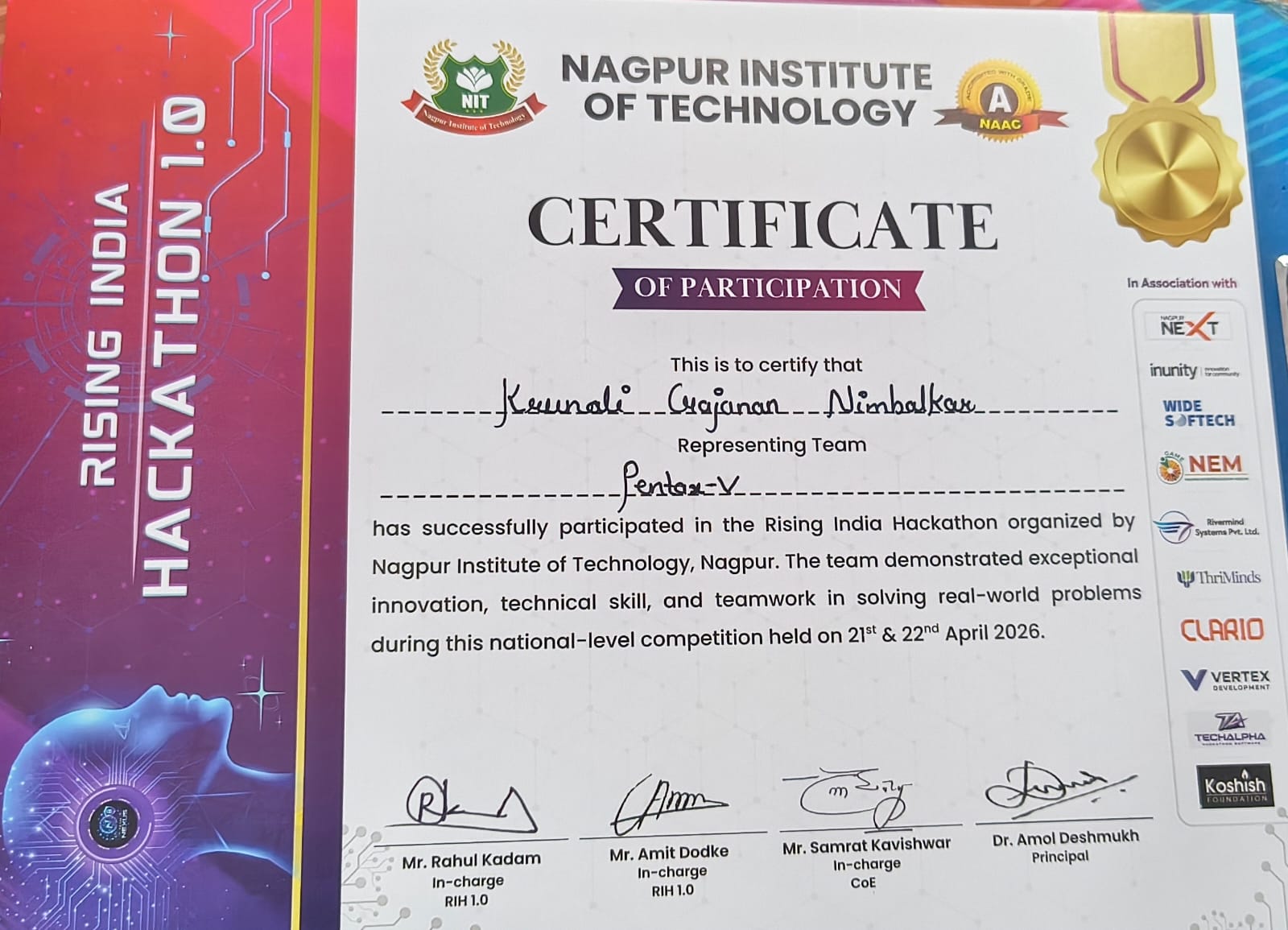
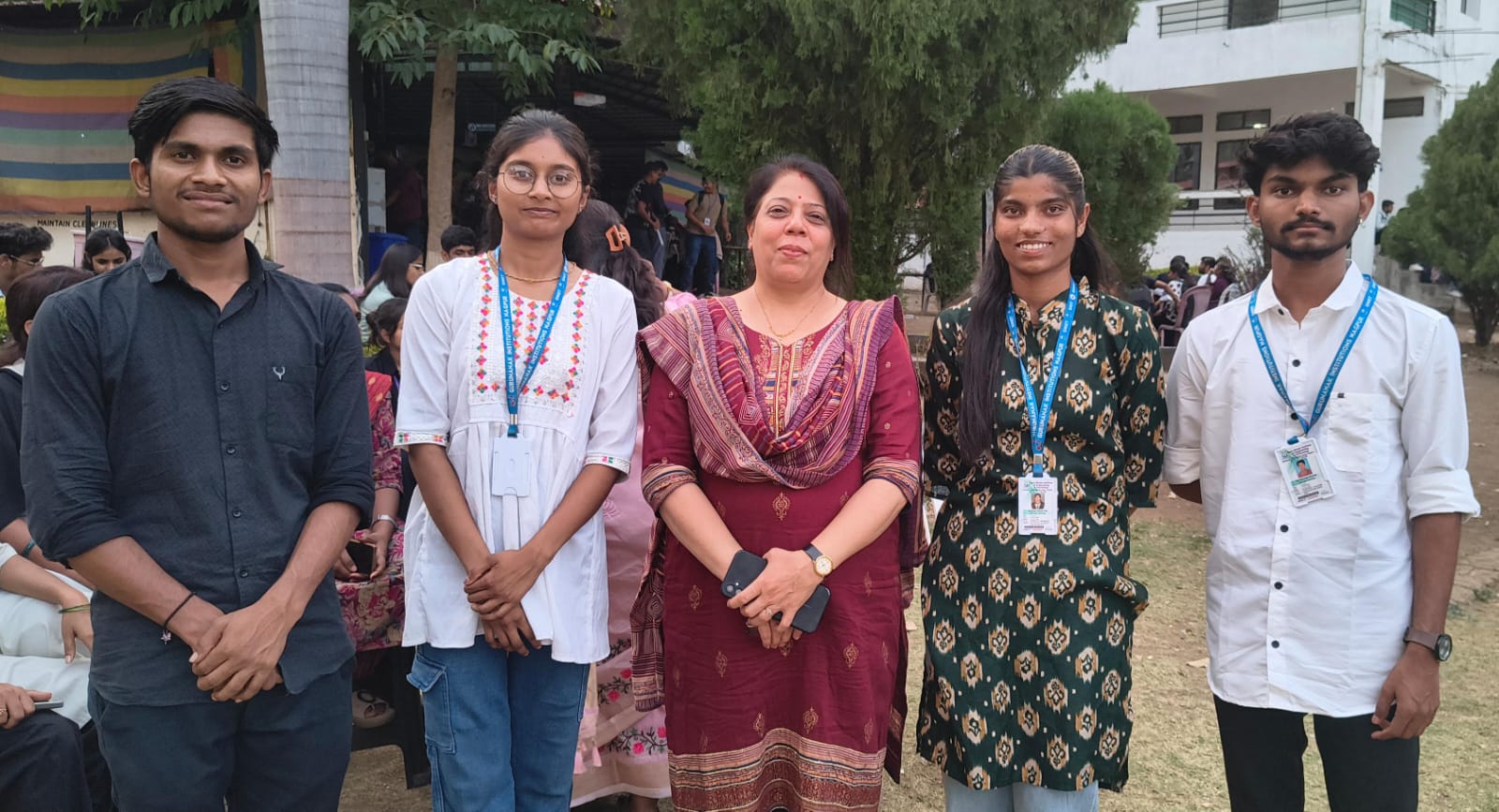
9. The Rising India Hackathon 1.0 (National Level)

Held on 21 & 22 April 2026 at Nagpur Institute of Engineering & Technology, Nagpur, witnessed the participation of 04 students.

Hackathon 1
Hackathon 2
Hackathon 3
Hackathon 4
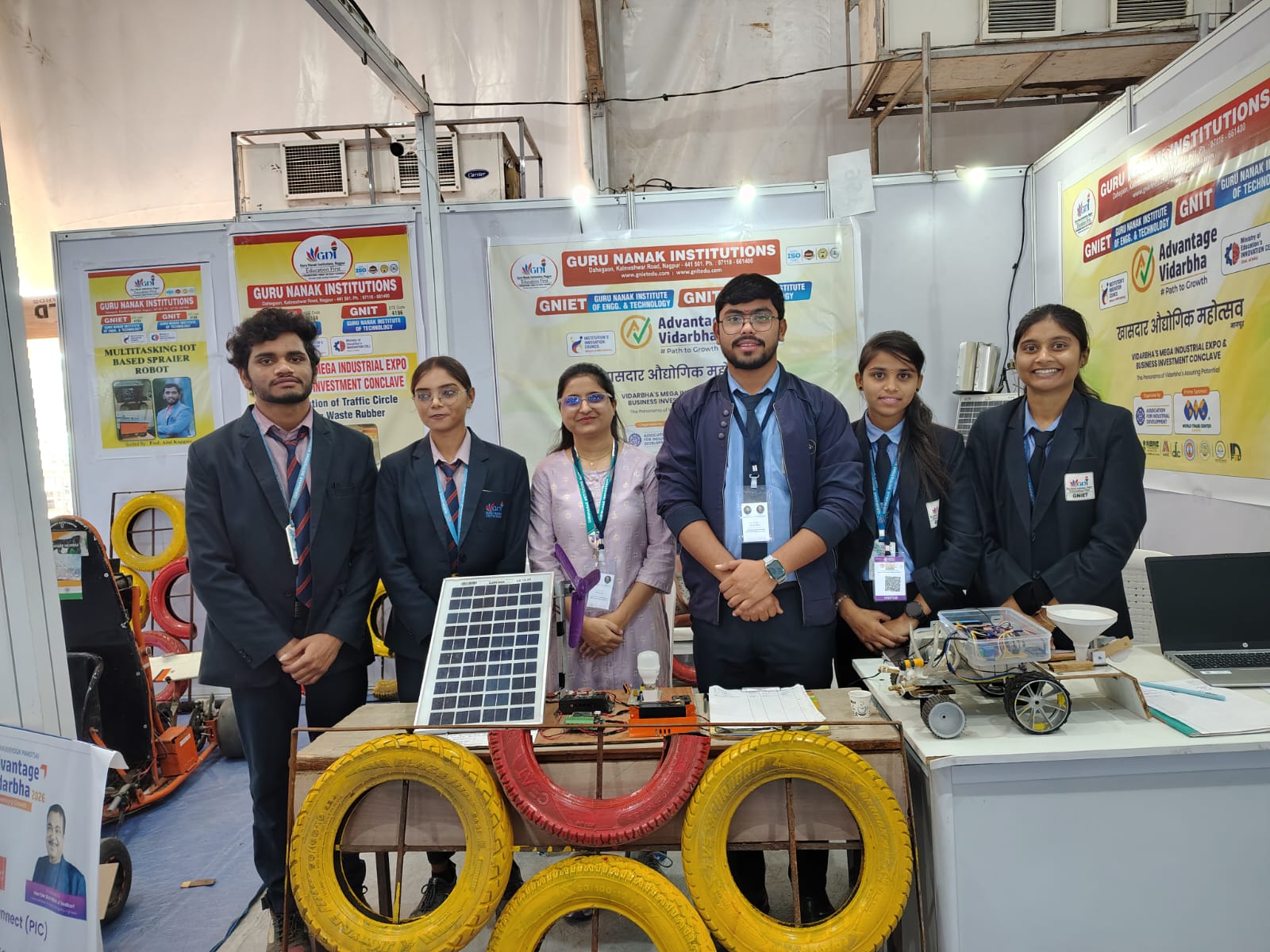
10. Advantage Vidarbha 2026 – Empowering Growth

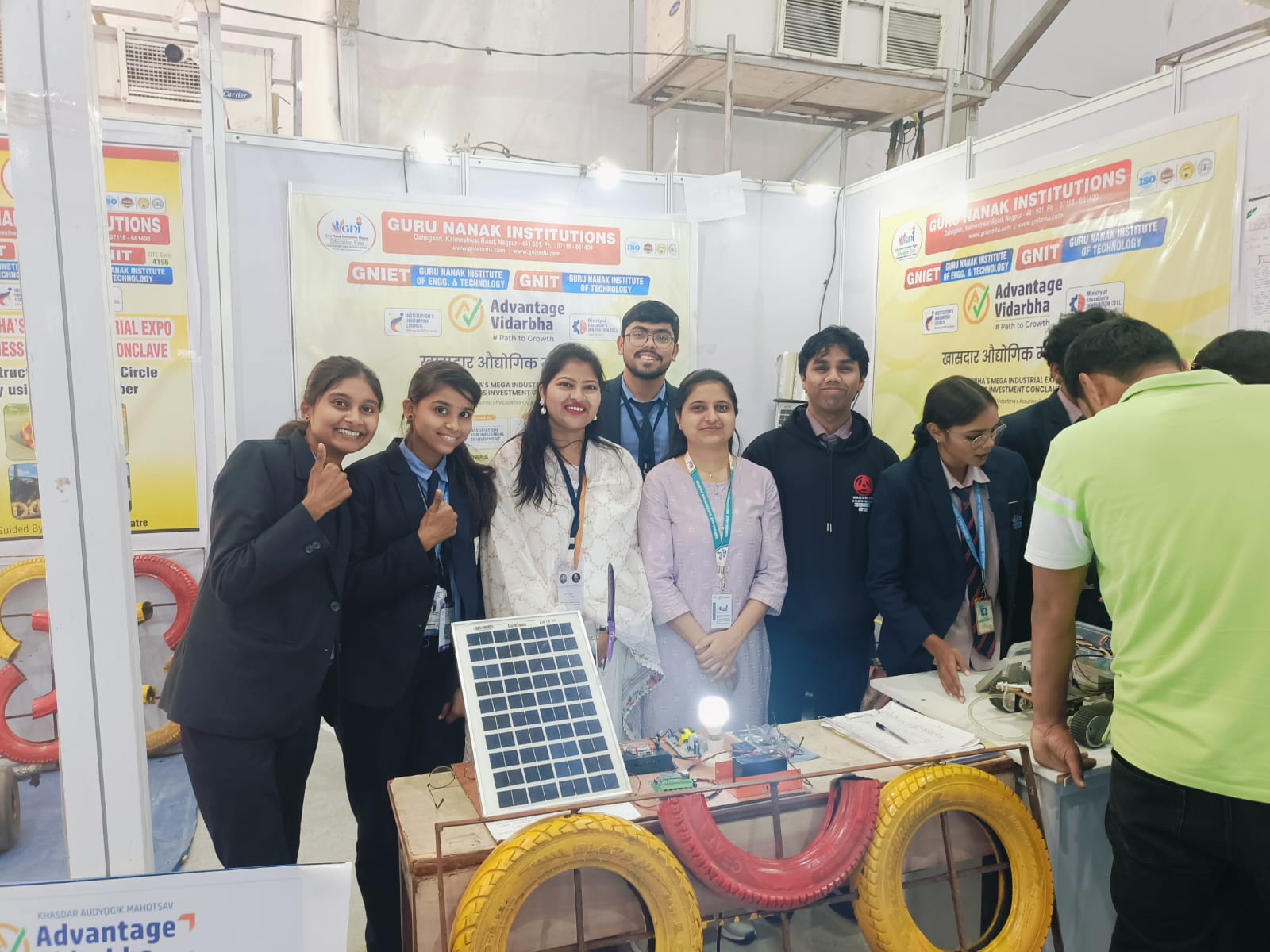
Held from 6–8 February 2026 at RTMNU Campus Ground, Nagpur, featured three students—Mohini Ilme, Damini Tapre, and Krunali Nimbalkar—presenting their project 'Hybrid Vibration and Acoustic Energy Harvesting for Highway Lighting'.

Advantage Vidarbha 1
Advantage Vidarbha 2
Advantage Vidarbha 3
Advantage Vidarbha 4
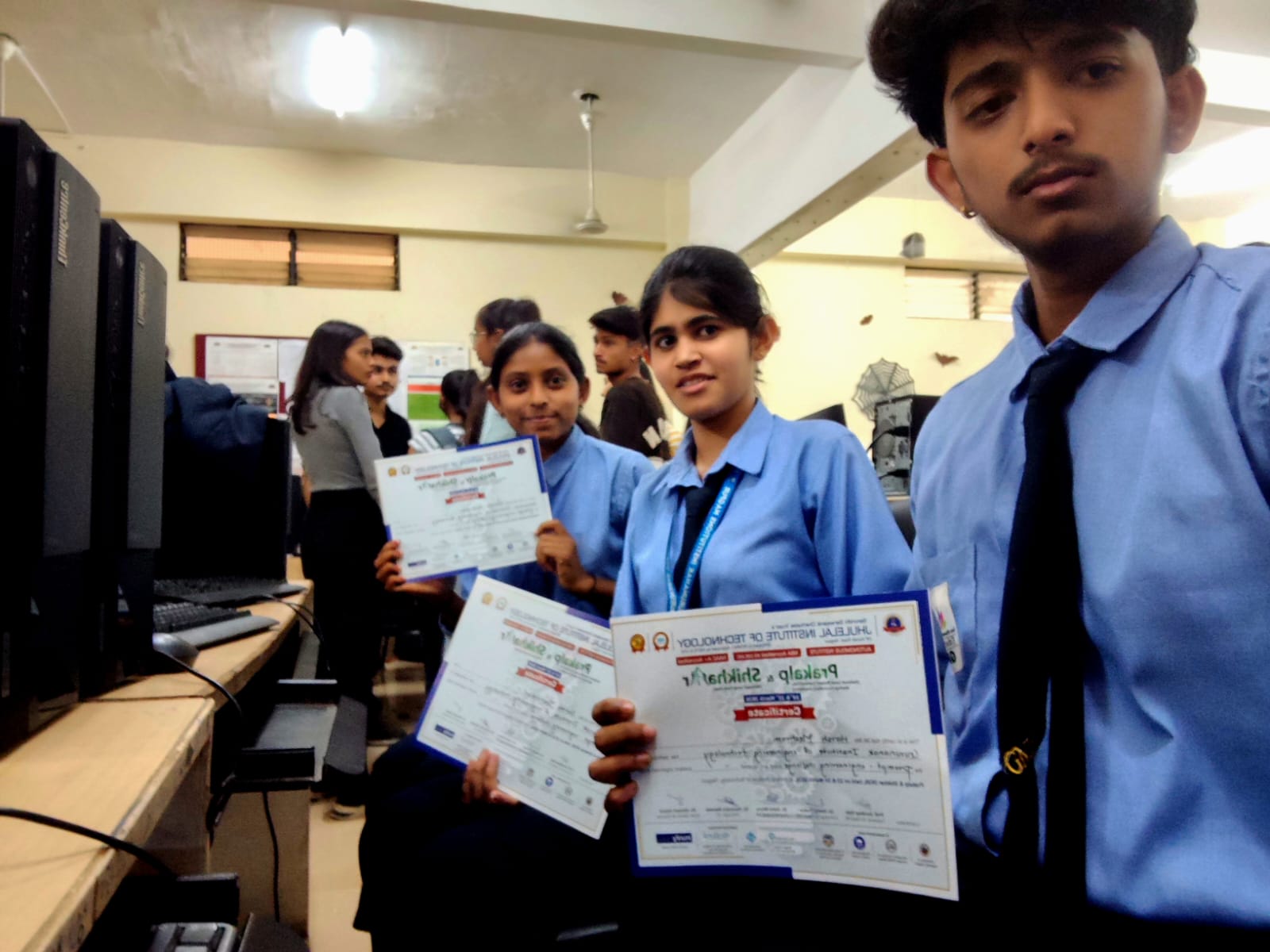
11. Prakalp & Shikhar (Intercollegiate Cultural Event)

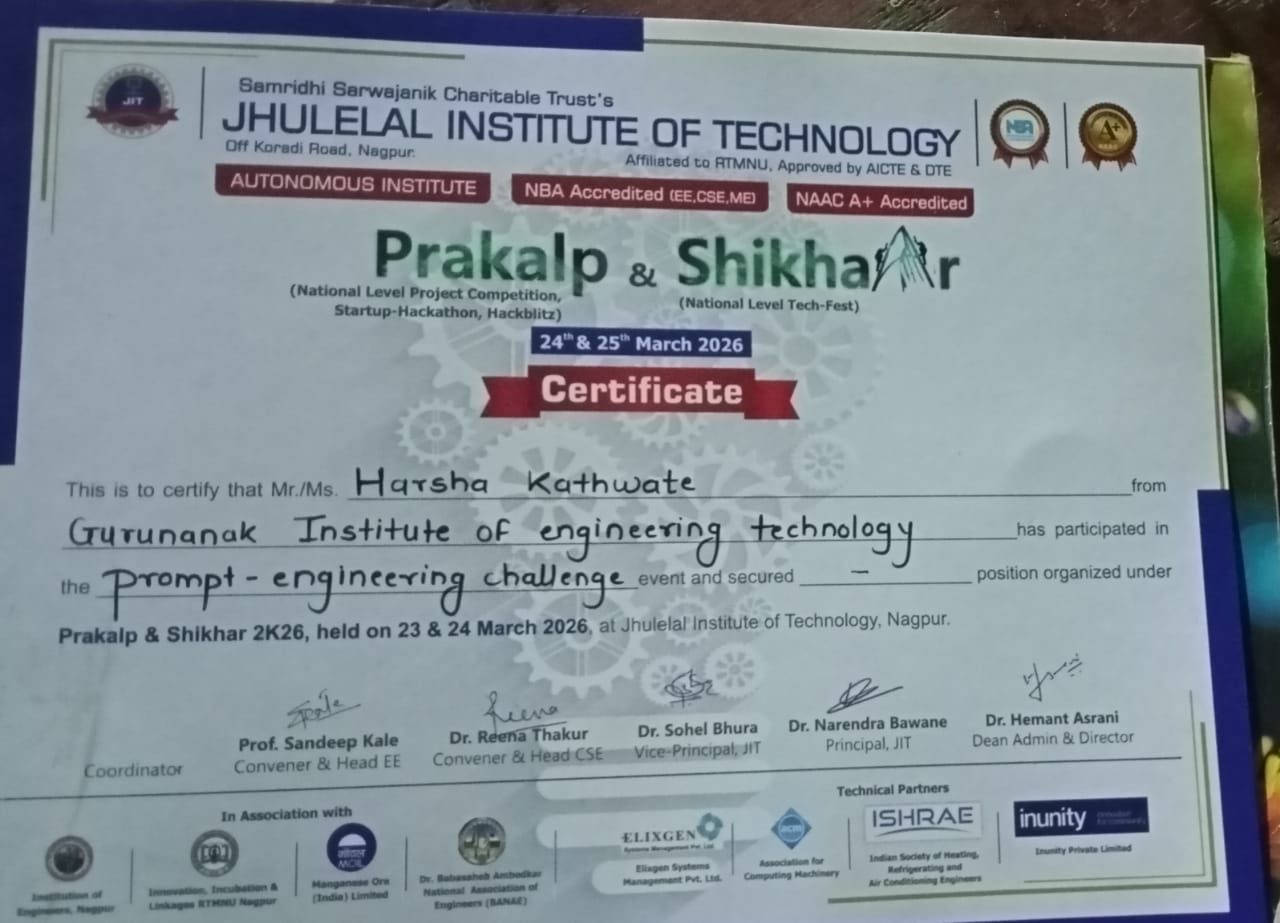
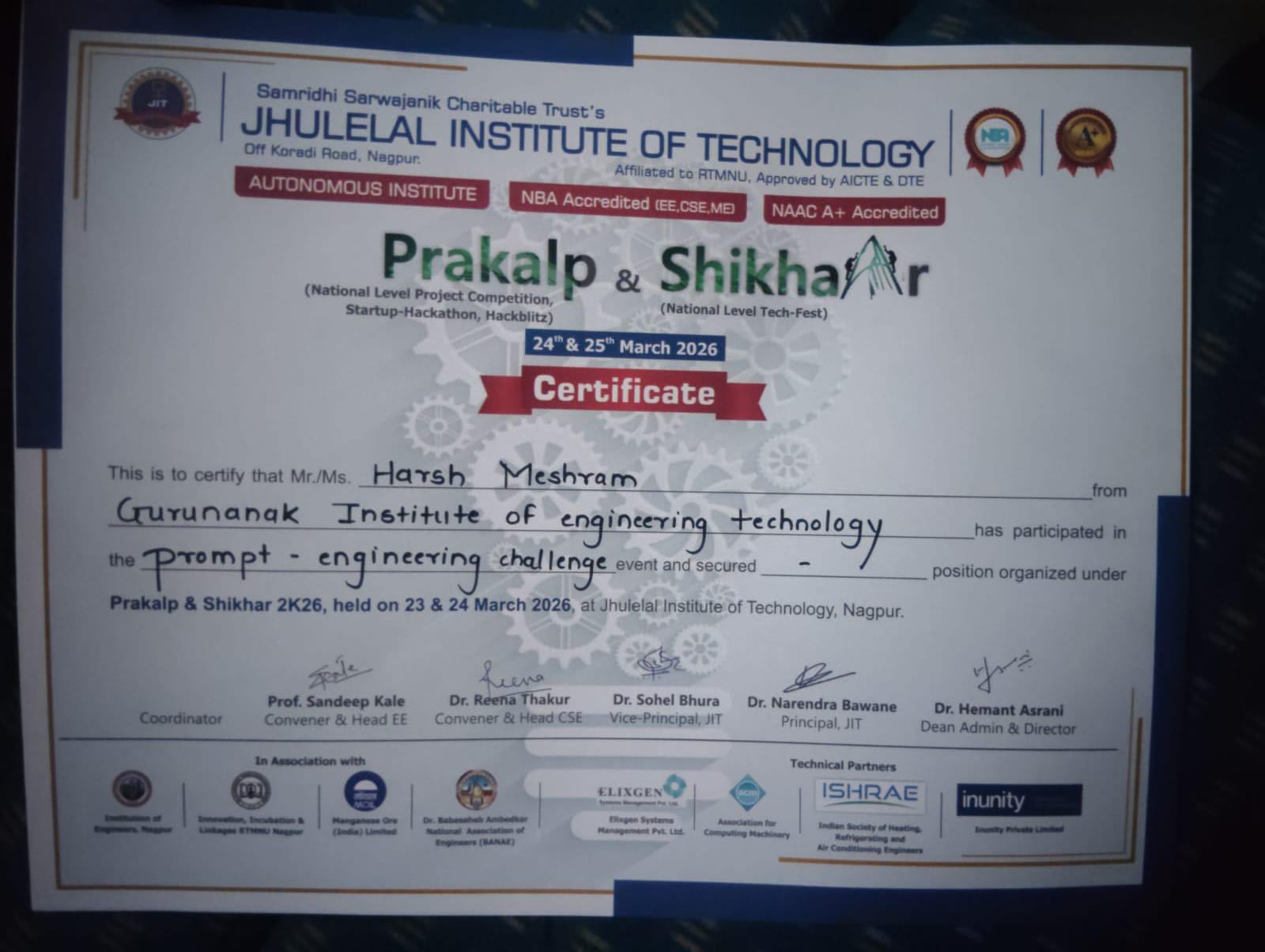
Held on 23 & 24 March 2026 at Jhulelal Institute of Technology, Nagpur; saw the participation of 03 students.

Prakalp Shikhar 1
Prakalp Shikhar 2
Prakalp Shikhar 3
Prakalp Shikhar 4
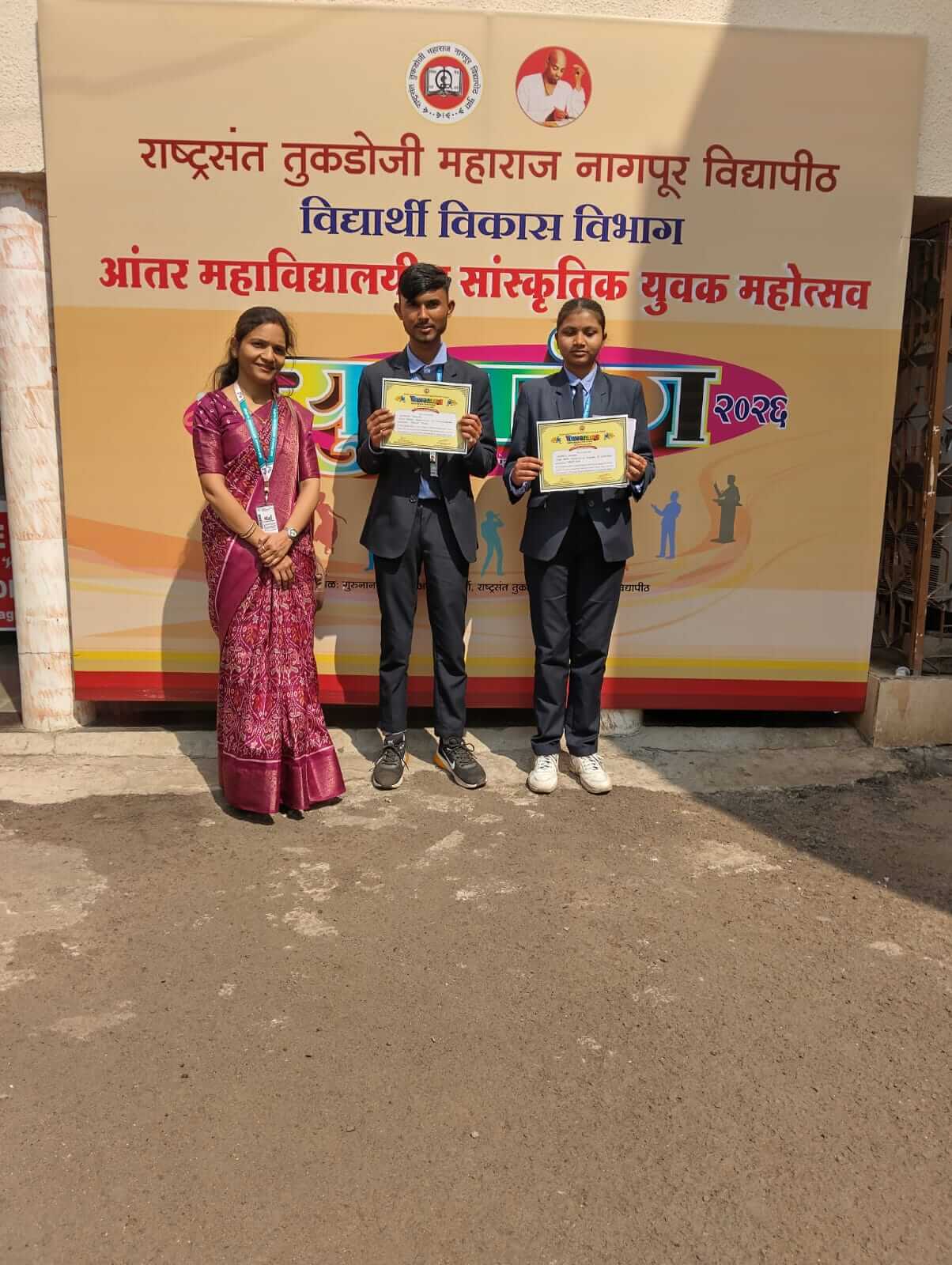
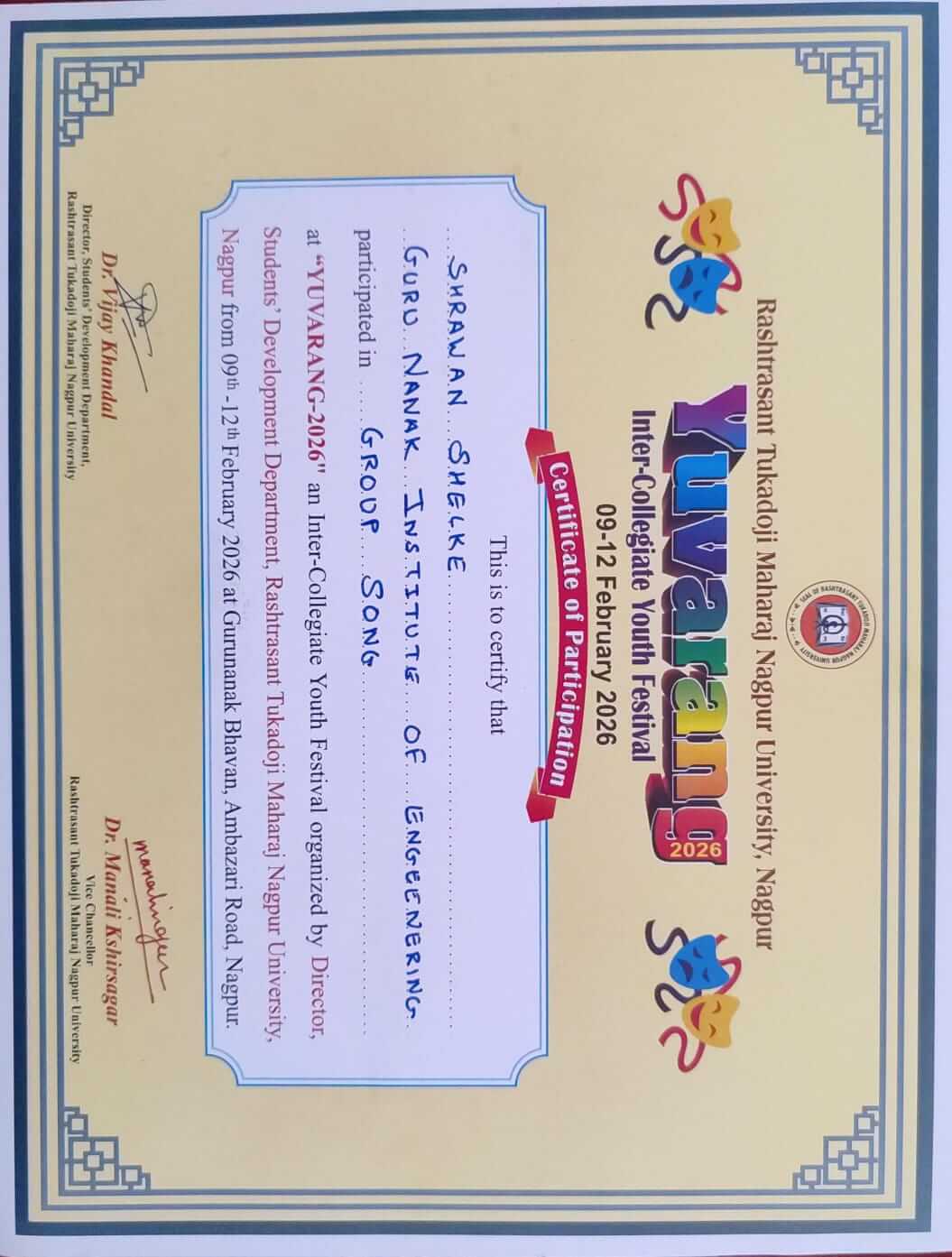
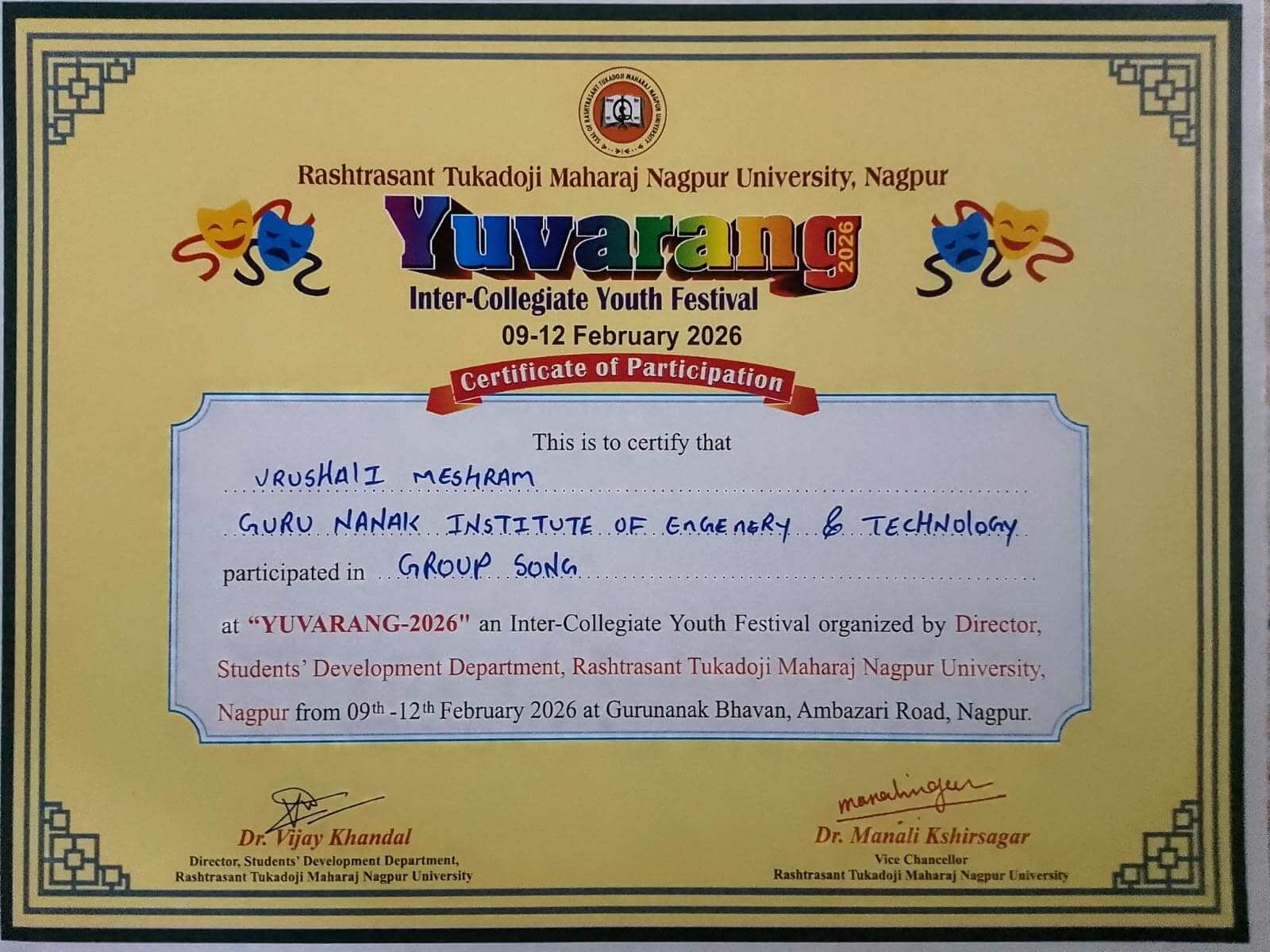
12. Yuvarang 2026 – Inter-Collegiate Youth Festival

Held from 9–12 February 2026 at Gurunanak Bhavan, Nagpur, saw the participation of 02 students, Shravan Shelke and Vrushali Meshram, who competed in the Group Song Competition and received participation certificates.

Yuvarang 1
Yuvarang 2
Yuvarang 3
Yuvarang 4
13. Quiz Competition

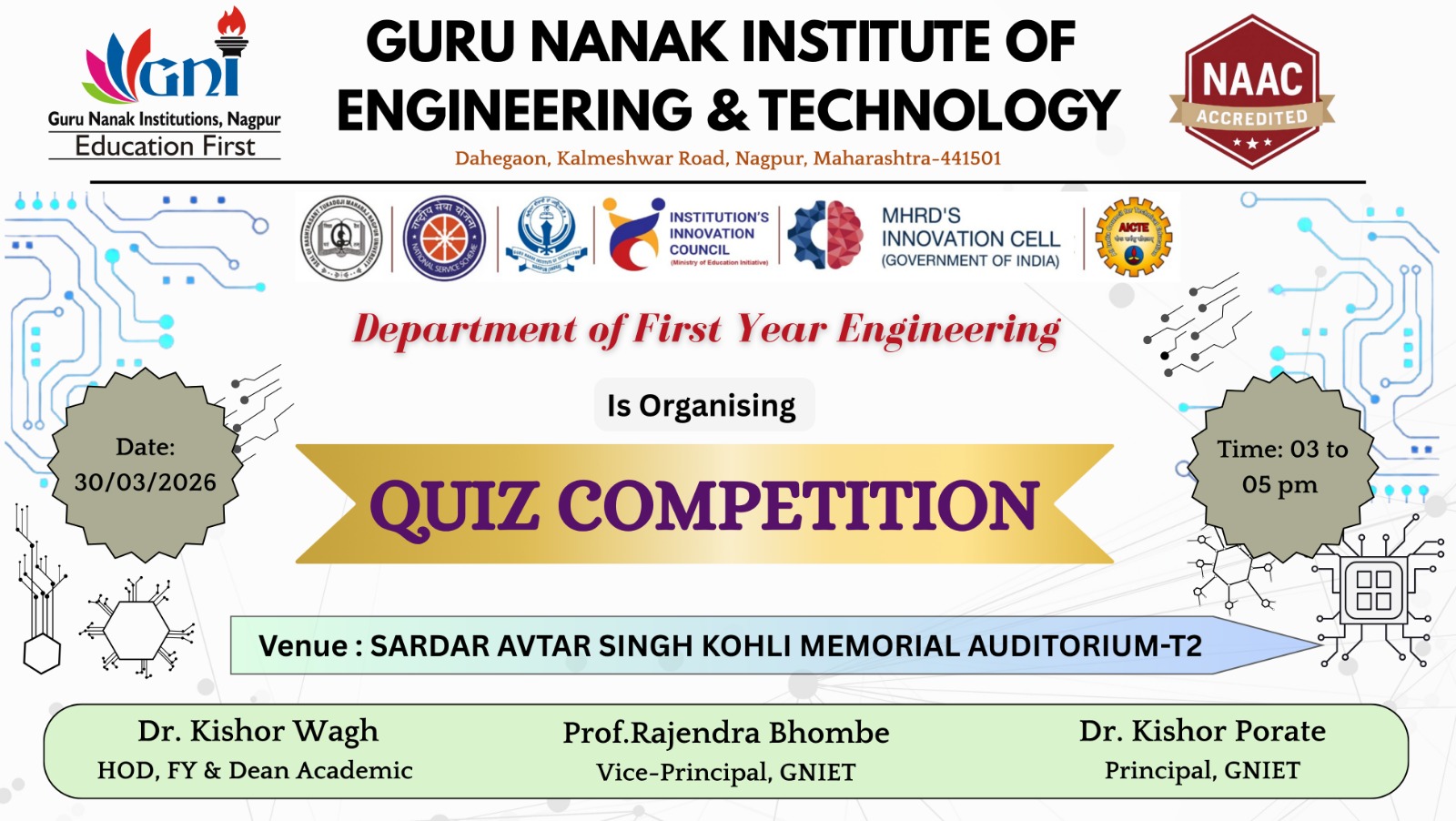
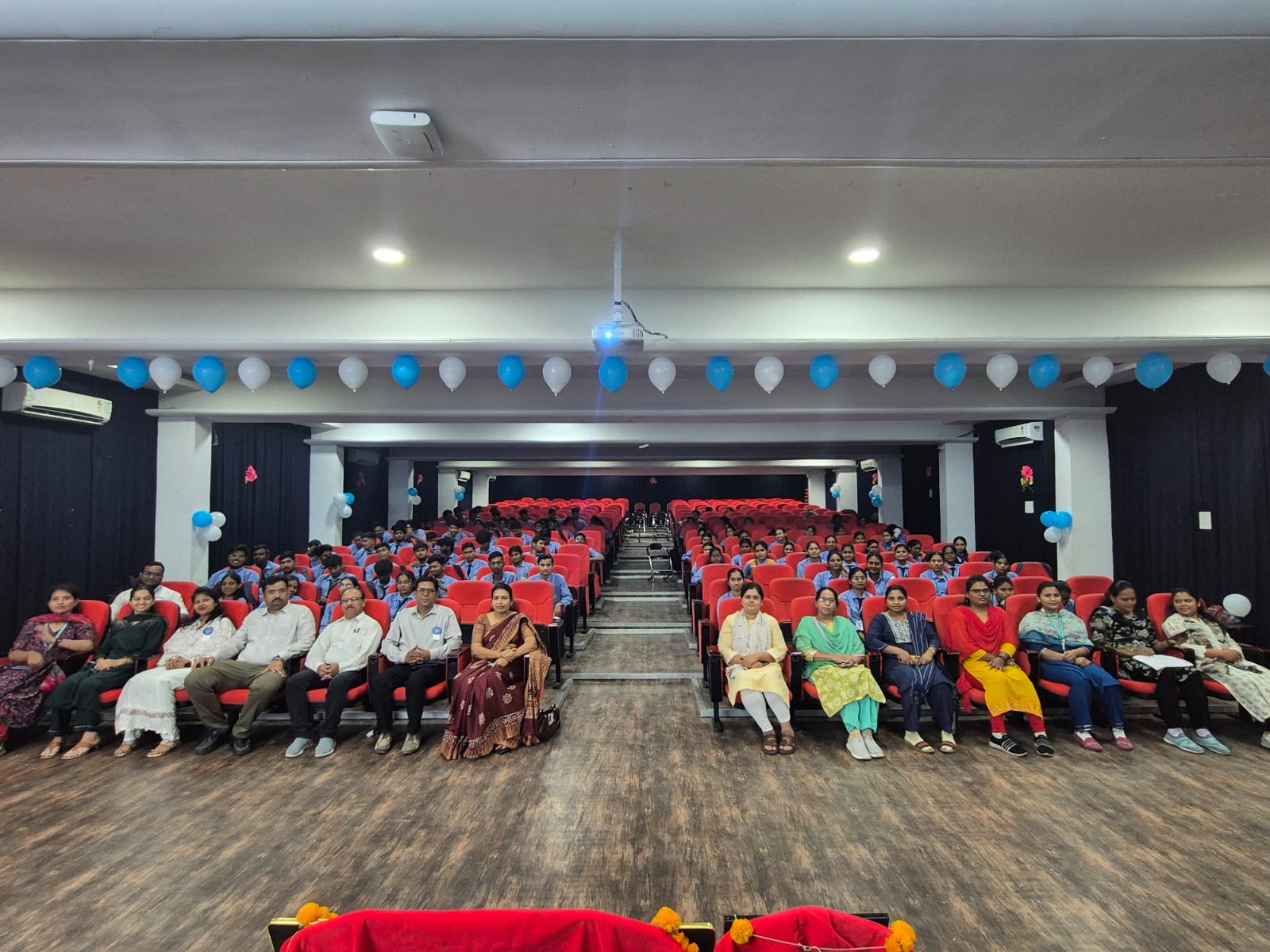
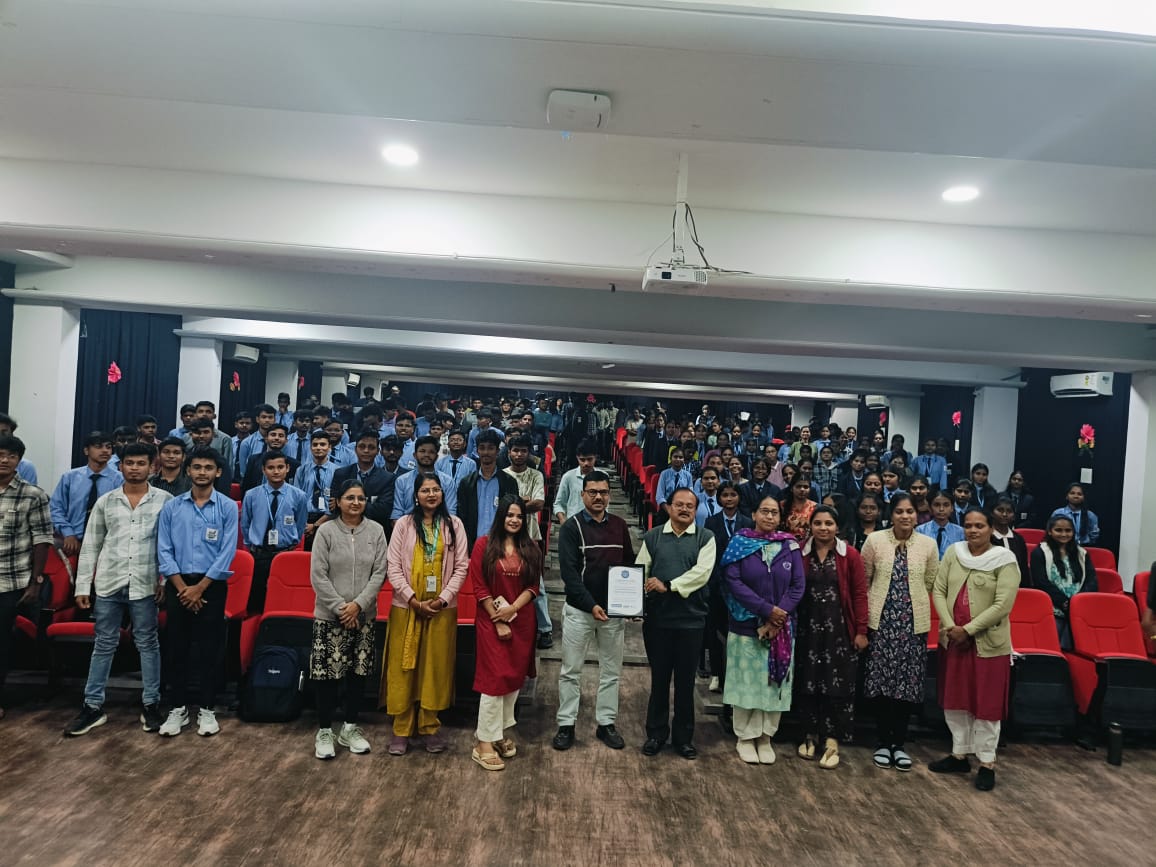
Organized by the Department of First Year Engineering at GNIET, Nagpur, on 30 March 2026, witnessed the participation of 50 students, with the 1st Prize awarded to Summaya Shakil, Vrushabh Chavhan, and Pranali Morey; the 2nd Prize awarded to Sanika Dhandekar, Aayushi Thakur, Prajakta Dabhade, and Purva Vaidya; and the 3rd Prize awarded to Areeba Usuf.

Quiz Competition 1
Quiz Competition 3
Quiz Competition 4

Student Forum

"PRATHAM PRATISHRUTI" is the official Student Forum of the First Year Department established with the objective of enhancing student participation, creativity, leadership qualities, communication skills, innovation, and overall personality development among first year engineering students.

The forum provides a platform for students to express their technical, cultural, social, sports, and creative talents through various academic and extracurricular activities organized throughout the academic year.

The forum actively involves students from all branches of First Year Engineering including Artificial Intelligence, Computer Science & Engineering, Computer Science & Data Science, Information Technology, Electrical Engineering, and Electronics & Telecommunication Engineering.

OBJECTIVES OF THE FORUM
  • To promote teamwork, discipline, and leadership among first year students.
  • To bridge the gap between students and faculty through interaction and collaboration.
  • To organize educational, technical, cultural, sports, and social activities.
  • To encourage participation in departmental, institute-level, intercollegiate, and national-level events.
  • To nurture innovation, creativity, technical awareness, and social responsibility among students.
STUDENT FORUM COMMITTEE MEMBERS
Sr. No. Name of Student Designation
1 Areeba Yusuf President
2 Sanika Kakde Vice-President
3 Ranjeet Sampate Secretary
4 Nandini Tiwari Joint Secretary
5 Pranav Dahatonde Treasurer
6 Vaidehi Kukade Cultural Head
7 Smithil Sawarkar Cultural Head
8 Supriya Bodkhe Public Relations Head
9 Vijay Bodale Sports Head
10 Vaibhavi Akarte Sports Head
11 Bhakti Jane Discipline Head
12 Yashwant Dhadve Discipline Head
13 Hariom Wagh Creative Head
14 Swamini Chaudhari Creative Head
15 Class Representatives CSE / AI / IT / CSDS / ETC / EE
OUTCOMES OF THE FORUM
  • Enhanced student participation in technical, cultural, sports, and research activities.
  • Improved communication skills, teamwork, creativity, and leadership qualities among students.
  • Encouraged students toward innovation, research, project development, and competitions.
  • Developed confidence and personality enhancement among first year students.
  • Increased awareness regarding Intellectual Property Rights, sustainability, and social responsibility.
  • Motivated students for active involvement in institute-level and national-level activities.
CONCLUSION

The First Year Department Forum "PRATHAM PRATISHRUTI" successfully conducted various academic, technical, cultural, research, sports, and social activities during the academic year 2025–2026. The forum played a vital role in motivating students toward innovation, leadership, teamwork, creativity, and personality development.

Through active student participation and faculty guidance, the forum contributed significantly toward the holistic growth and overall development of first year engineering students.

Events and Activities

1. Guest Lecture on "IPR: Fueling Innovation, Protecting Creativity"

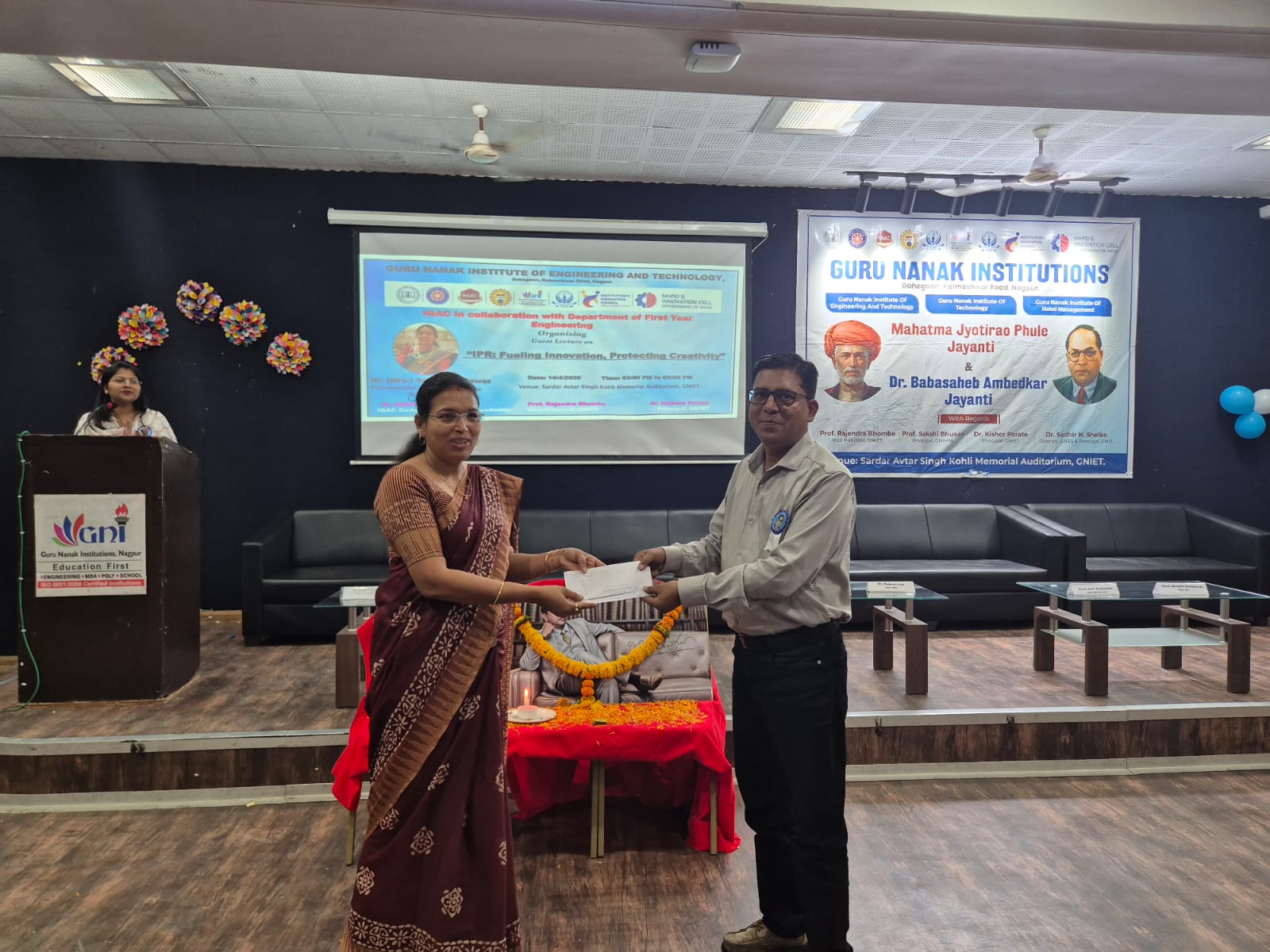
Organized by IQAC in collaboration with the Department of First Year Engineering, GNIET, Nagpur, on 16 April 2026, featuring Dr. (Mrs.) Seema G. Rawat as the resource person, with 100 students in attendance. The session highlighted the importance of Intellectual Property Rights in academic, research, and industrial sectors.

IPR Guest Lecture 1
IPR Guest Lecture 2
IPR Guest Lecture 3
IPR Guest Lecture 3
2. Report on Quiz Competition

The Department of First Year Engineering organized an online Quiz Competition on 30th March 2026 at the Sardar Avatar Singh Kohli Memorial Hall. The objective was to enhance academic engagement, general knowledge, and competitive spirit among first-year students. Conducted under the guidance of the Principal and Dr. Kishor Wagh (HoD, First Year Engineering), and coordinated by Prof. M.B. Chauhan and Prof. V.V. Parhad. A total of 50 students actively participated. Winners: 1st Prize – Summaiya Shakil (CSE-DS) and Vrushabh Chavhan (ETC); 2nd Prize – Pranali Morey (ETC), Sanika Dandekar (IT), Aayushi Thakur (CSE), Prajakta Dabhade (AI), and Purva Vaidya (IT); 3rd Prize – Areeba Yusuf (AI).

Quiz Competition 1
Quiz Competition 2
Quiz Competition 3
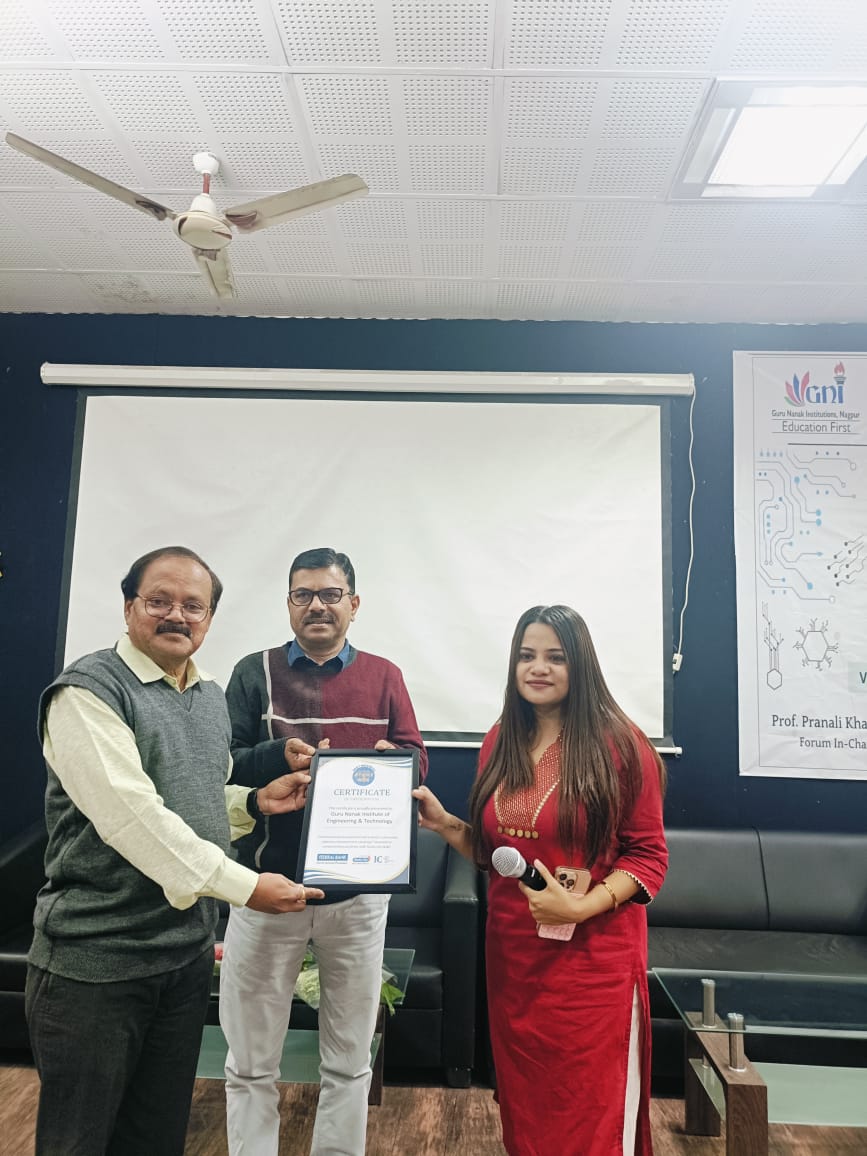
3. Twice is Wise – Cyber Security Awareness Session

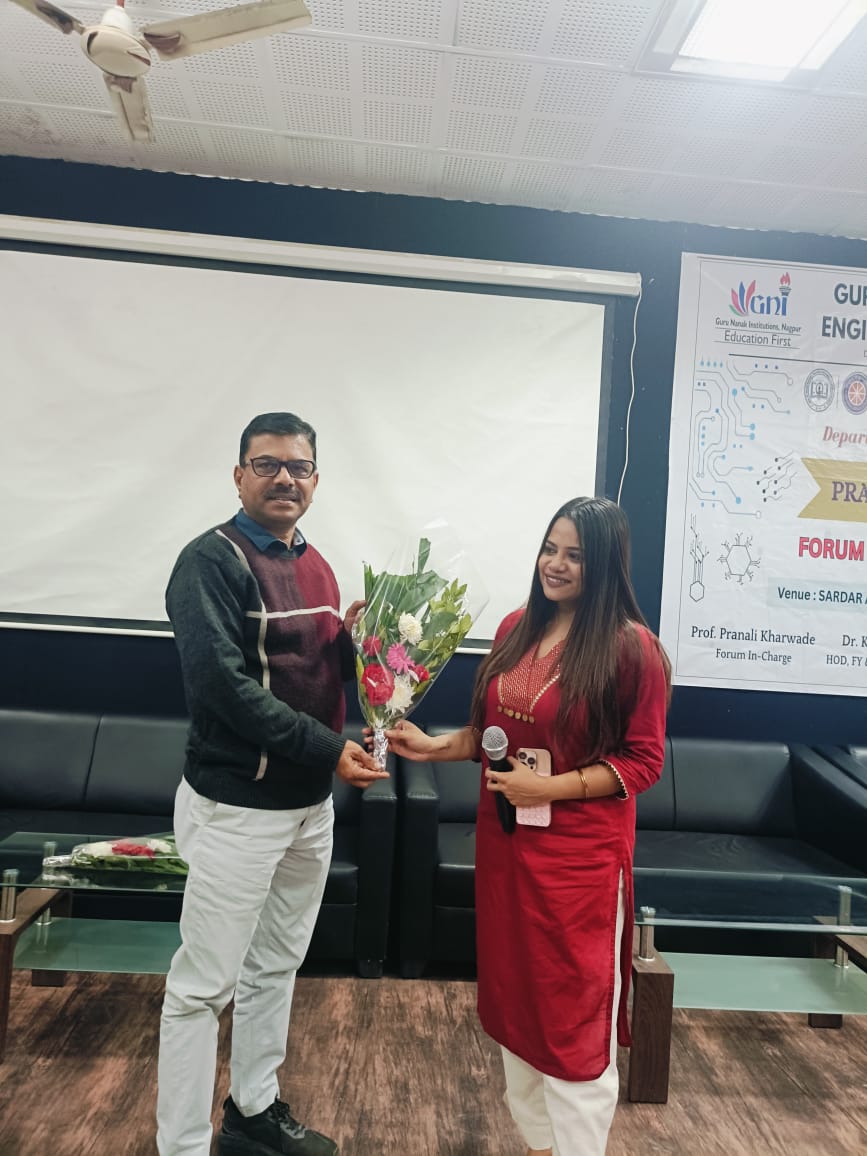
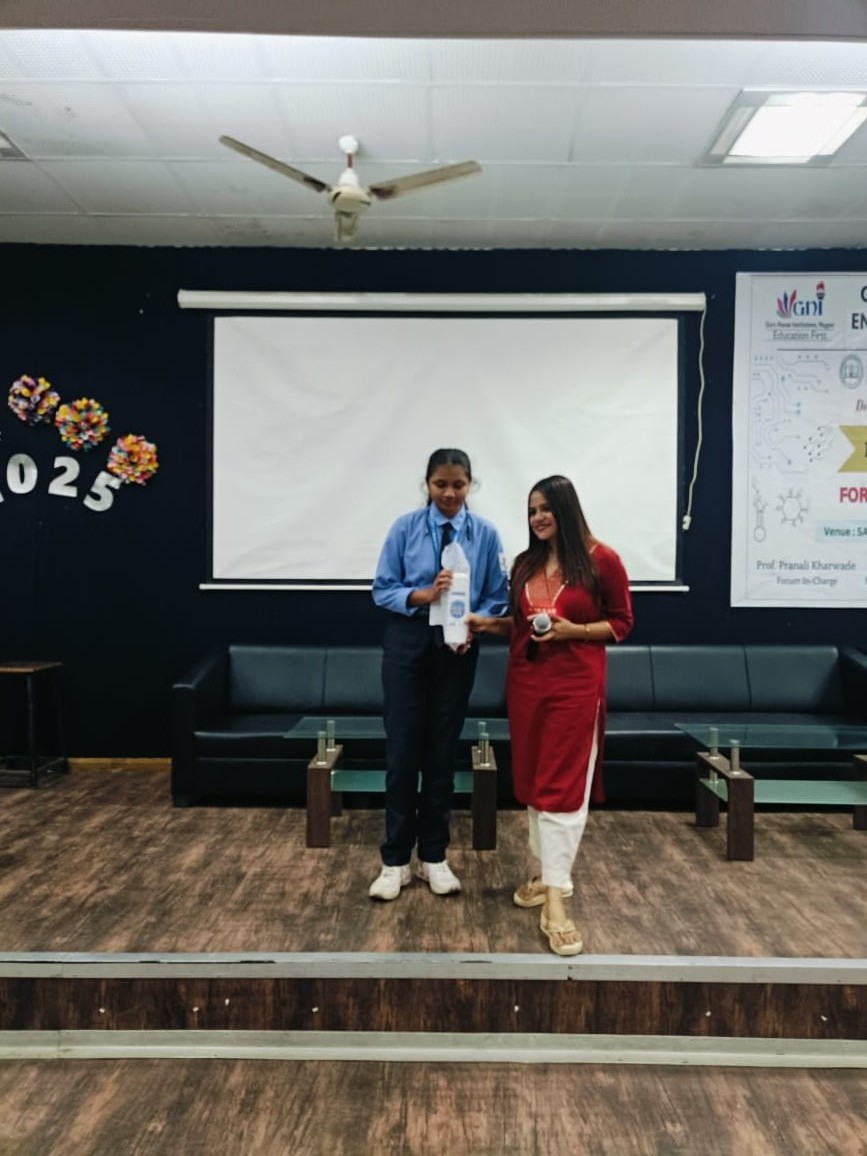
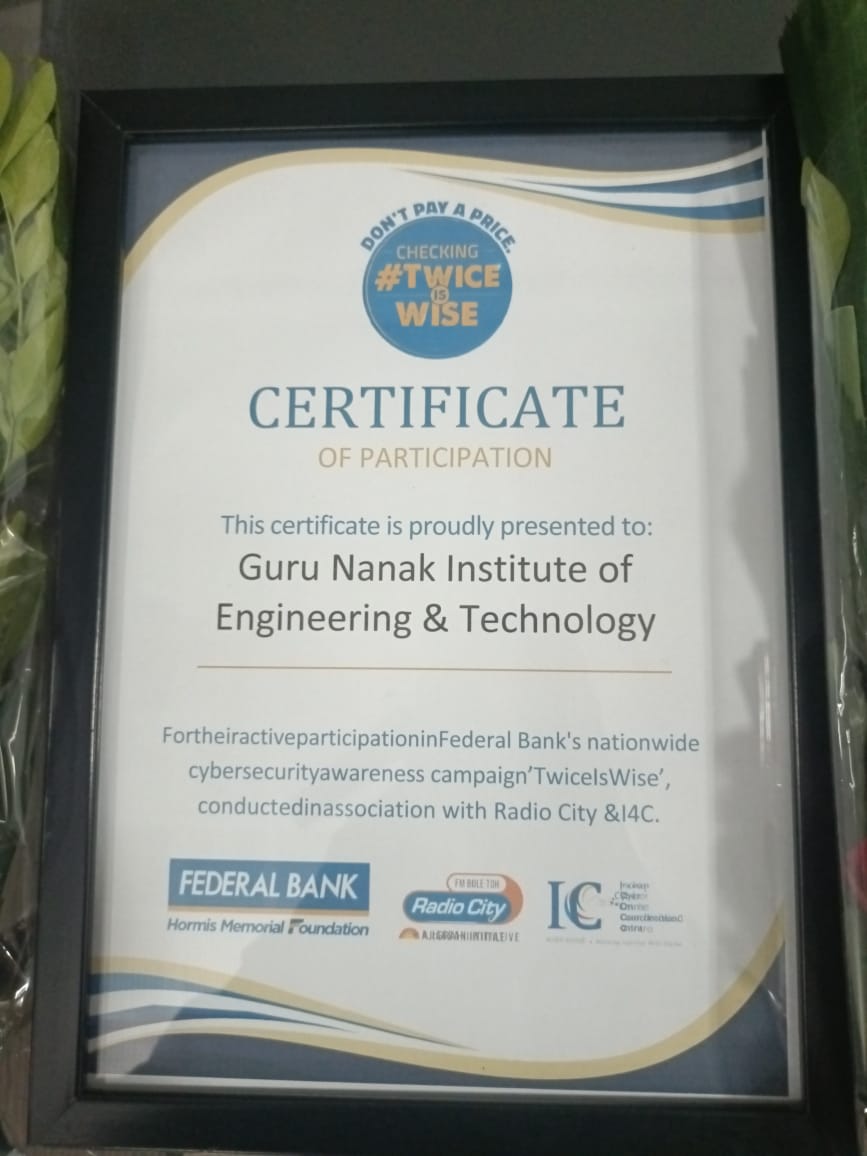
The Department of First Year Engineering at GNIET, Nagpur, organized a special Cyber Security Awareness Session under the nationwide "Twice is Wise" Campaign, in association with Federal Bank, Radio City, and I4C. The session was conducted for first-year students with RJ Swara Chaoudhari as the guest. It aimed to create awareness about online safety, cyber fraud prevention, and responsible digital behavior. Students learned about various types of cyber frauds, online scams, and safe digital practices. GNIET, Nagpur received a Certificate of Participation for successfully hosting the campaign.

Student Achievement 1
Student Achievement 2
Student Achievement 3
Student Achievement 4
Student Achievement 5
Student Achievement 6
Student Achievement 7
Student Achievement 8
Student Achievement 9
Student Achievement 10
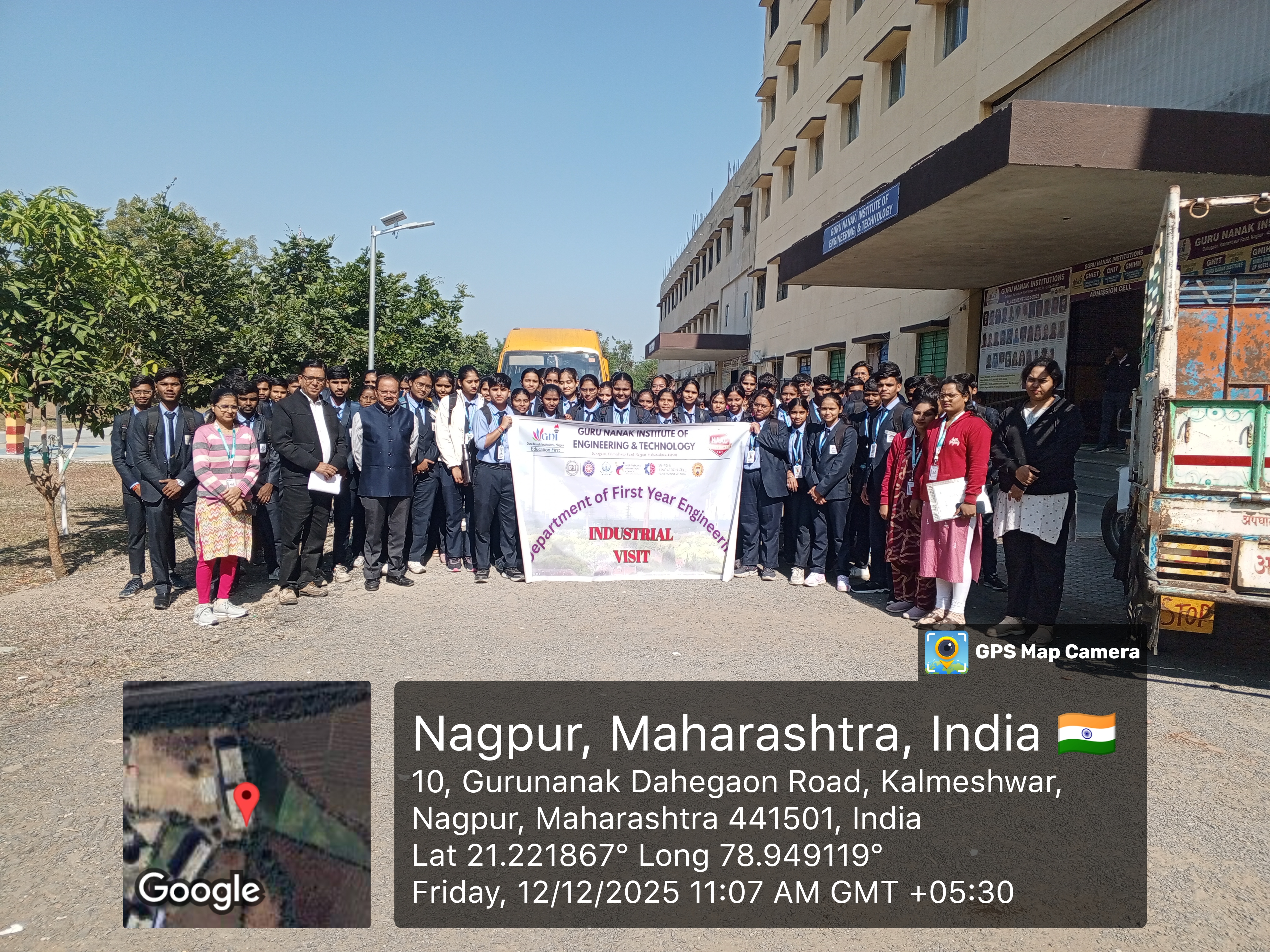
4. Industrial Visit

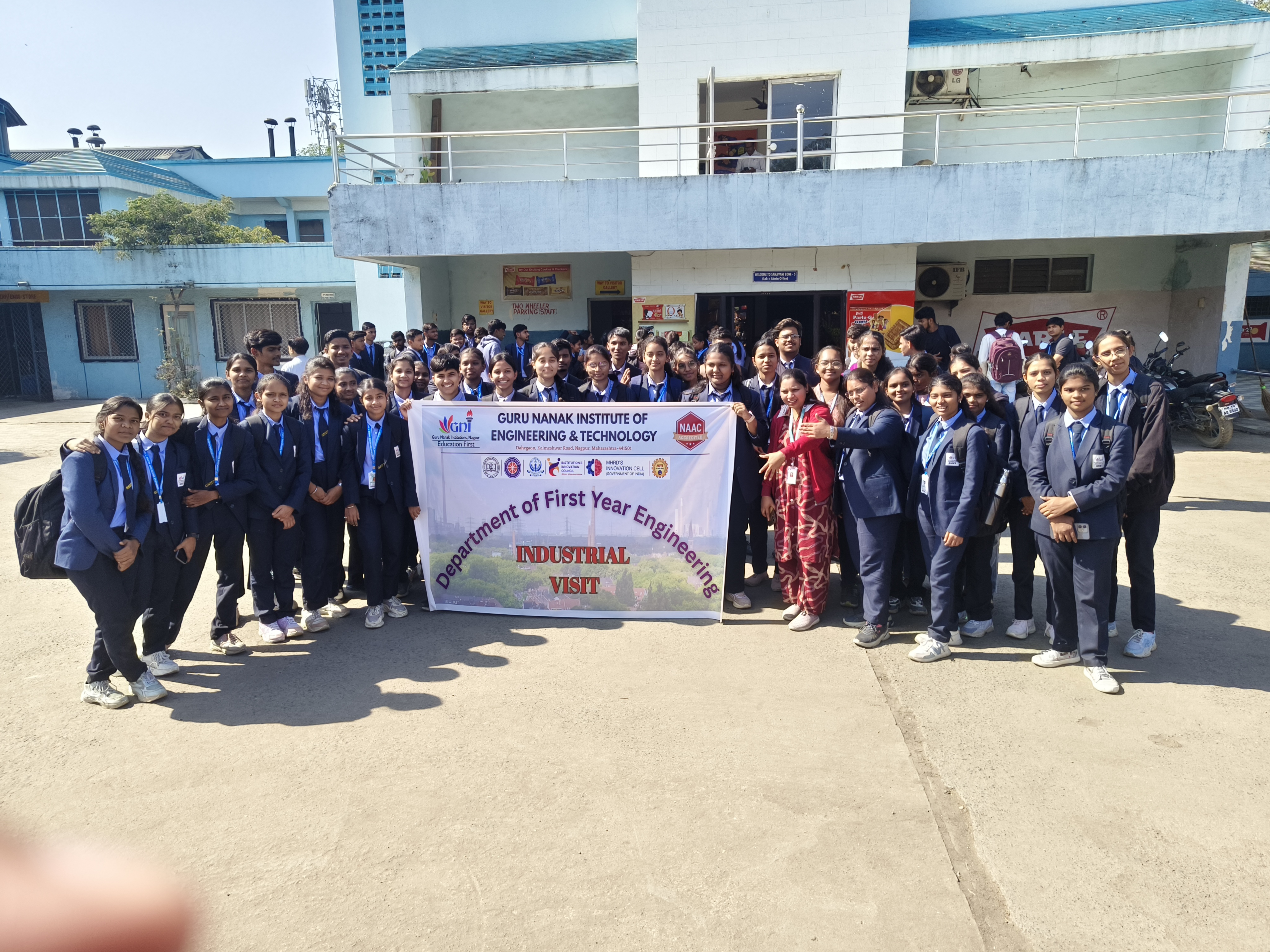
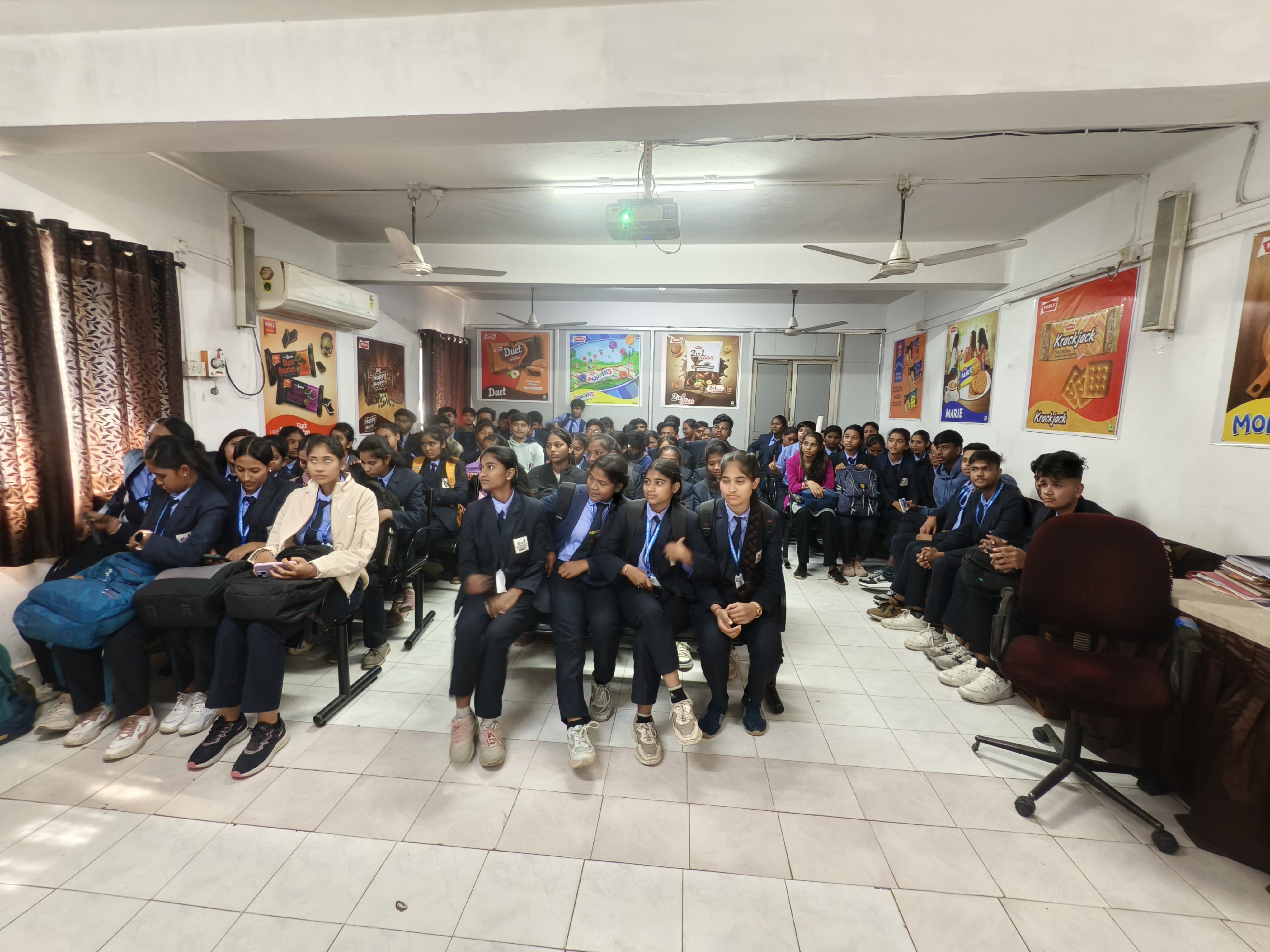
1. Parle-G

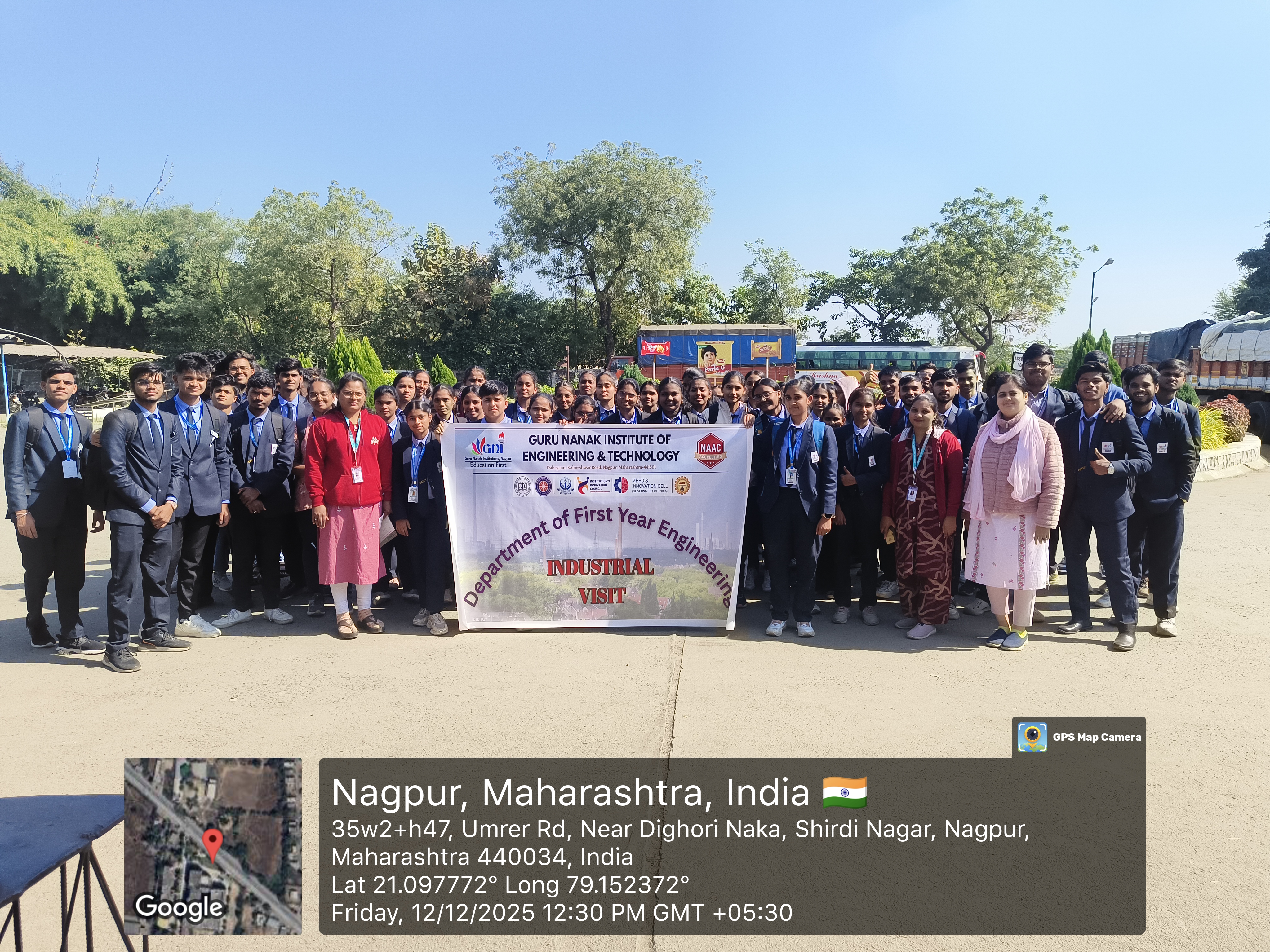
An industrial visit for first-year engineering students was organized at Parle-G on 18/11/2025. Students observed the manufacturing process, automation systems, quality control methods, and safety practices. The visit provided practical exposure and enhanced technical knowledge.

Parle-G Visit 1
Parle-G Visit 2
Parle-G Visit 3
Parle-G Visit 4
Parle-G Visit 5
Parle-G Visit 6
Parle-G Visit 7

2. Regional Remote Sensing Centre, Nagpur

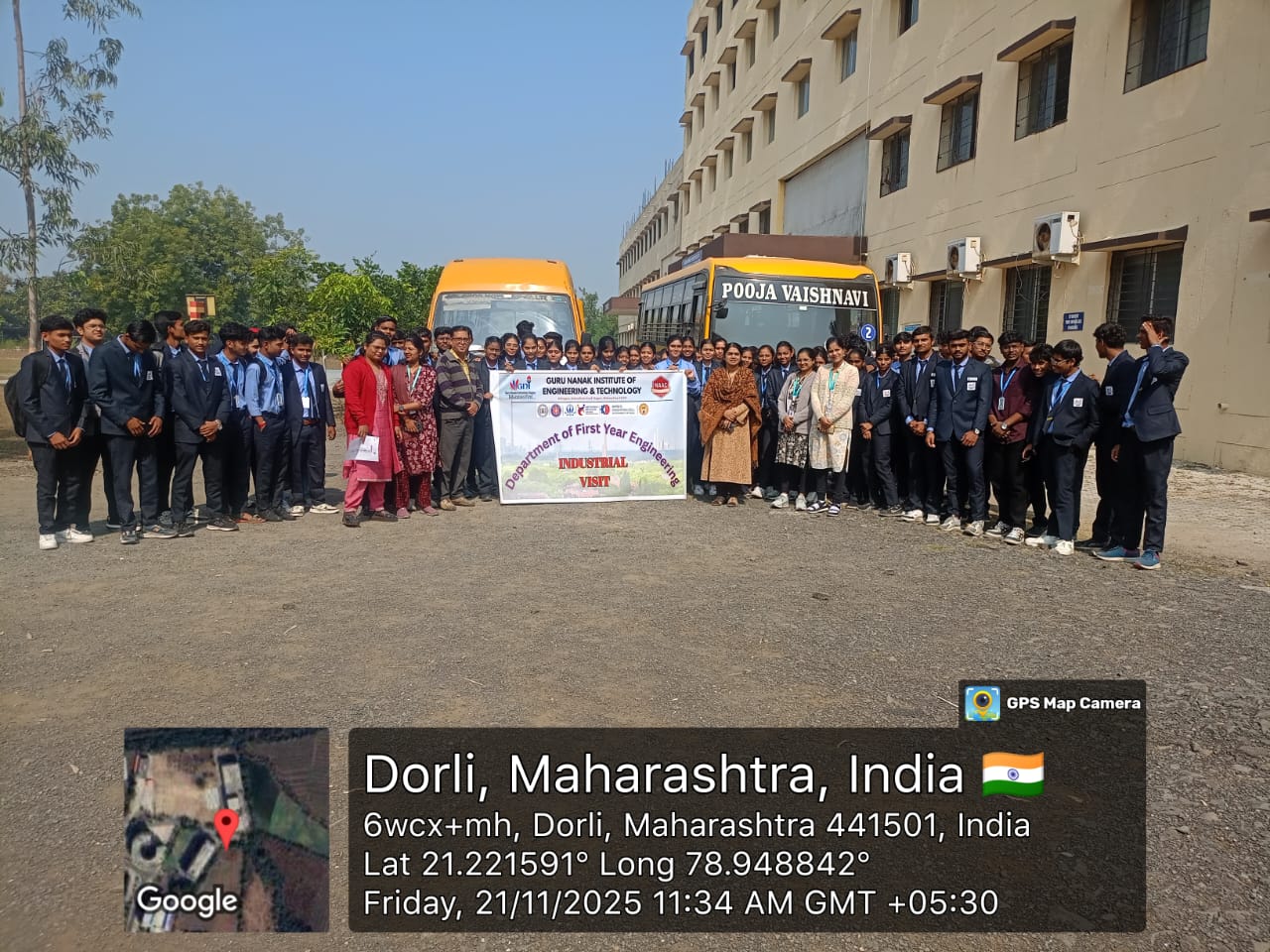
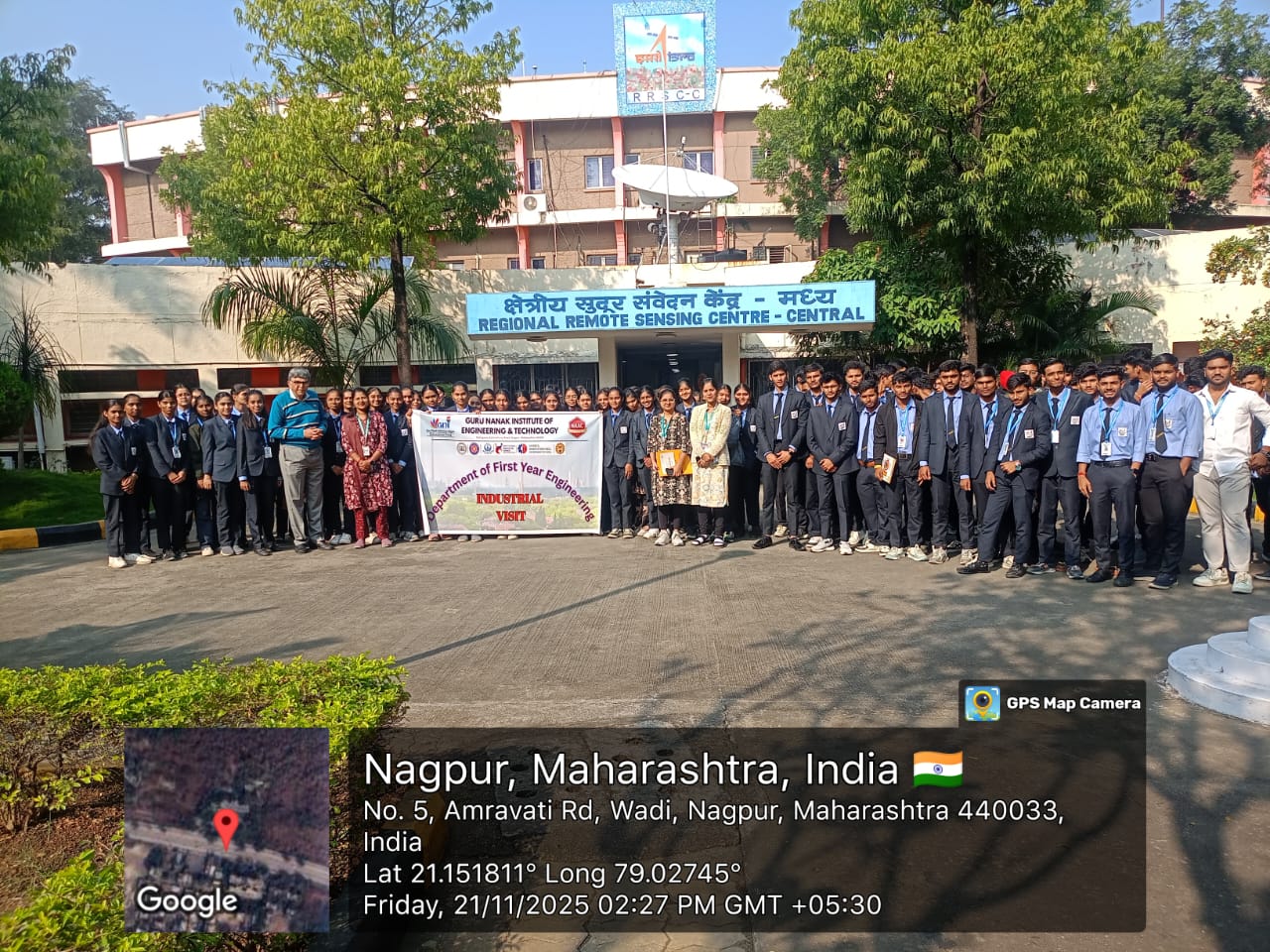
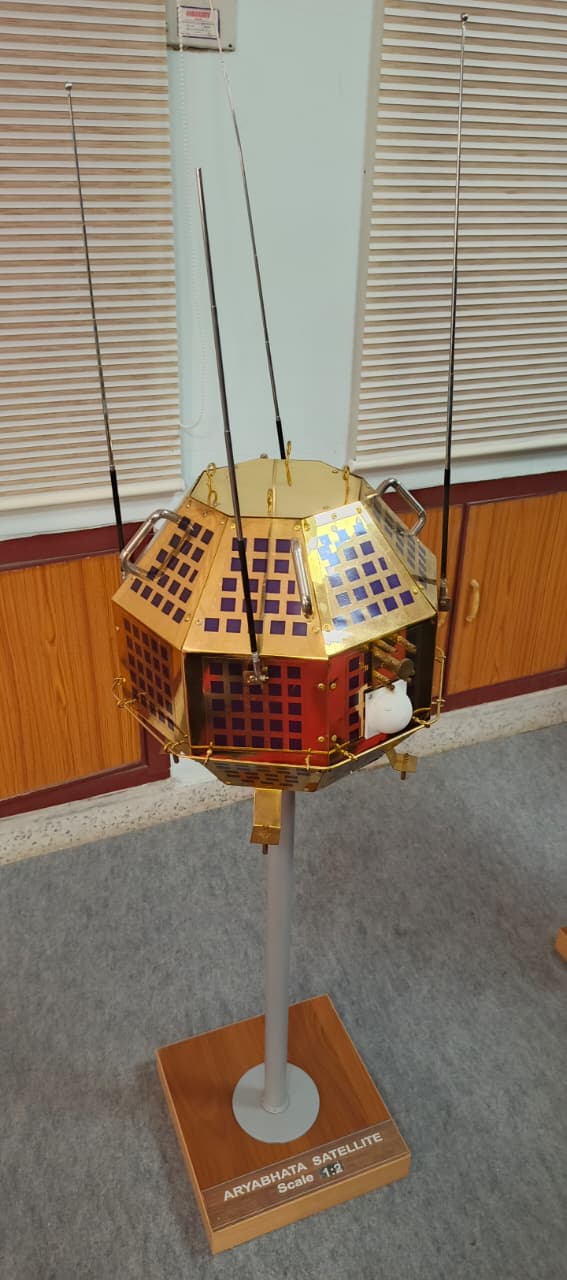
An industrial visit to the Regional Remote Sensing Centre, Nagpur was organized on 21/11/2025. Students gained knowledge about remote sensing technology, satellite communication, GIS applications, and space research. The visit provided valuable practical exposure.

Regional Remote Sensing 1
Regional Remote Sensing 2
Regional Remote Sensing 3
Regional Remote Sensing 4
Regional Remote Sensing 5
Regional Remote Sensing 6
5. Parents Teachers Meet

The Department of First Year Engineering organizes a Parent–Teacher Meet to discuss students’ academic progress, attendance, and overall performance with parents. The meeting also provides a platform to address students’ difficulties, queries, and suggestions for their better development and improvement.

PTM 1
PTM 2
PTM 3

Scheme & Syllabus

New Syllabus of B.Tech 1st and 2nd Semester as per N.E.P.-2020 for Implementation from the session 2024-25

About Department

The First Year Engineering Department at Guru Nanak Institute of Engineering & Technology, Nagpur, builds a strong academic foundation for newly admitted B.Tech students.

Led by Dr. Kishor Wagh, along with a team of dedicated faculty members, the department focuses on academic excellence and holistic personality development through regular lectures, practicals, mentoring, and innovative teaching methods.

Students are encouraged to participate in workshops, competitions, expert lectures, cultural activities, and national day celebrations. Regular Parent-Teacher Meetings (PTMs) ensure smooth communication between parents and faculty.

With a student-centered approach, the department shapes responsible, skilled, and future-ready engineers.

Vision & Mission

Vision
  • Academic excellence with total commitment to quality education, research & improvement in human values with a holistic concern for better life, environment & society.
Mission
  • To Groom - Motivated, Environment Friendly, Self-esteemed, Creative and Oriented Engineers.
  • Promoting Value Education through motivated trained faculty.
  • Promoting Industry Institute Interaction, and involving alumni.

Head of Department

Dr. Kishor Wagh

It gives me immense pleasure to welcome all students to the First Year Engineering Department. The first year of engineering is the foundation of every student's professional journey, and our department is committed to providing quality education, discipline, and moral values through a positive learning environment. We believe education is not limited to textbooks – through workshops, expert lectures, competitions, cultural activities, and regular Parent-Teacher Meetings, we ensure holistic development and strong communication between parents, teachers, and students. Our dedicated faculty strives to build responsible, skilled, and future-ready engineers. I wish all students a bright and successful future.

Dr. Kishor Wagh

Head of Department

POs & PSOs

B.Tech. Artificial Intelligence

Program Outcomes (POs)

  • PO1: Engineering knowledge: Apply the knowledge of mathematics, science, engineering fundamentals, and an engineering specialization to the solution of complex engineering problems.
  • PO2: Problem analysis: Identify, formulate, review research literature, and analyze complex engineering problems reaching substantiated conclusions using first principles of mathematics, natural sciences, and engineering sciences.
  • PO3: Design/development of solutions: Design solutions for complex engineering problems and design system components or processes that meet the specified needs with appropriate consideration for the public health and safety, and the cultural, societal, and environmental considerations.
  • PO4: Conduct investigations of complex problems: Use research-based knowledge and research methods including design of experiments, analysis and interpretation of data, and synthesis of the information to provide valid conclusions.
  • PO5: Modern tool usage: Create, select, and apply appropriate techniques, resources, and modern engineering and IT tools including prediction and modeling to complex engineering activities with an understanding of the limitations.
  • PO6: The engineer and society: Apply reasoning informed by the contextual knowledge to assess societal, health, safety, legal and cultural issues and the consequent responsibilities relevant to the professional engineering practice.
  • PO7: Environment and sustainability: Understand the impact of the professional engineering solutions in societal and environmental contexts, and demonstrate the knowledge of, and need for sustainable development.
  • PO8: Ethics: Apply ethical principles and commit to professional ethics and responsibilities and norms of the engineering practice.
  • PO9: Individual and team work: Function effectively as an individual, and as a member or leader in diverse teams, and in multidisciplinary settings.
  • PO10: Communication: Communicate effectively on complex engineering activities with the engineering community and with society at large, such as, being able to comprehend and write effective reports and design documentation, make effective presentations, and give and receive clear instructions.
  • PO11: Project management and finance: Demonstrate knowledge and understanding of the engineering and management principles and apply these to one's own work, as a member and leader in a team, to manage projects and in multidisciplinary environments.
  • PO12: Life-long learning: Recognize the need for, and have the preparation and ability to engage in independent and life-long learning in the broadest context of technological change.

Program Specific Outcomes (PSOs)

  • PSO1: To design and develop software systems with the knowledge of data structures, analysis of algorithms, web design, machine learning and Image processing techniques.
  • PSO2: To design and develop networking and embedded software solutions by means of data communication, sensors and its applications, robotics, virtual reality and Internet of Things.
  • PSO3: Apply the skills in the areas of Health Care, Education, Agriculture, Intelligent Transport, Environment, Smart Systems & in the multi-disciplinary area of Artificial Intelligence.

Bachelor of Technology (Computer Science & Engineering)

Program Outcomes

  • PO1: Engineering Knowledge: Apply the knowledge of mathematics, science, engineering fundamentals, and engineering specialization to the solution of complex engineering problems.
  • PO2: Problem analysis: Identify, formulate and analyze hardware and software engineering problems and arrive at substantiated conclusions using first principles of mathematics, natural and engineering sciences.
  • PO3: Design/Development of solutions: Design and develop hardware / software system to meet desired needs within realistic constraints related to economic, environmental, social, political, ethical, health and safety, verifiability, and sustainability concerns.
  • PO4: Conduct investigations of complex problems: Use research based knowledge including design of experiments, analysis and interpretation of data and synthesis of the information to provide valid conclusions.
  • PO5: Modern tool usage: Use techniques, skills, and modern computer engineering tools, including simulation and modeling, for addressing the needs of engineering profession and interdisciplinary business.
  • PO6: The engineer and society: Understand the computing needs of inter-disciplinary scientific and engineering disciplines and design and develop algorithms and techniques for societal, health, safety, legal and cultural problems.
  • PO7: Environment and sustainability: Understand the impact of the professional engineering solutions in societal and environmental contexts, and demonstrate the knowledge of and need for sustainable development.
  • PO8: Ethics: Apply ethical principles and commit to professional ethics and responsibilities and norms of the engineering practice.
  • PO9: Individual and team work: Function as member or leader of team and to understand engineering management principles & finance to manage projects in multidisciplinary environment.
  • PO10: Communications: Effectively transfer technology to engineering community and society at large on broadly defined engineering needs through technical reports, presentations and software technologies.
  • PO11: Project management and finance: Demonstrate knowledge and understanding of engineering and management principles and apply these to one's own work, as a member and leader in a team. Manage projects in multidisciplinary environments.
  • PO12: Life-long learning: Engage in lifelong learning and adapt to rapid changes in computer science & allied areas.

Program Specific Outcomes

  • PSO1: Pertain current knowledge and adapting to emerging applications of Mathematics, Science and Engineering fundamentals in the field of Computer Science and Engineering.
  • PSO2: Exhibit proficiency through latest technologies to business and personal situations in demonstrating the ability for work efficacy as a part of team and apply professional behavior and ethics.
  • PSO3: Acquaint with the contemporary trends in industrial/research settings and thereby innovate novel solutions to existing problems.

Bachelor of Technology (Electrical Engineering)

Program Outcomes (POs)

  • PO1: Engineering knowledge: Apply the knowledge of mathematics, science, engineering fundamentals, and an engineering specialization to the solution of complex engineering problems.
  • PO2: Problem analysis: Identify, formulate, review research literature, and analyze complex engineering problems reaching substantiated conclusions using first principles of mathematics, natural sciences, and engineering sciences.
  • PO3: Design/development of solutions: Design solutions for complex engineering problems and design system components or processes that meet the specified needs with appropriate consideration for the public health and safety, and the cultural, societal, and environmental considerations.
  • PO4: Conduct investigations of complex problems: Use research-based knowledge and research methods including design of experiments, analysis and interpretation of data, and synthesis of the information to provide valid conclusions.
  • PO5: Modern tool usage: Create, select, and apply appropriate techniques, resources, and modern engineering and IT tools including prediction and modeling to complex engineering activities with an understanding of the limitations.
  • PO6: The engineer and society: Apply reasoning informed by the contextual knowledge to assess societal, health, safety, legal and cultural issues and the consequent responsibilities relevant to the professional engineering practice.
  • PO7: Environment and sustainability: Understand the impact of the professional engineering solutions in societal and environmental contexts, and demonstrate the knowledge of, and need for sustainable development.
  • PO8: Ethics: Apply ethical principles and commit to professional ethics and responsibilities and norms of the engineering practice.
  • PO9: Individual and teamwork: Function effectively as an individual, and as a member or leader in diverse teams, and in multidisciplinary settings.
  • PO10: Communication: Communicate effectively on complex engineering activities with the engineering community and with society at large, such as, being able to comprehend and write effective reports and design documentation, make effective presentations, and give and receive clear instructions.
  • PO11: Project management and finance: Demonstrate knowledge and understanding of the engineering and management principles and apply these to one's own work, as a member and leader in a team, to manage projects and in multidisciplinary environments.
  • PO12: Life-long learning: Recognize the need for and have the preparation and ability to engage in independent and life-long learning in the broadest context of technological change.

Program Specific Outcomes

  • PSO1: Interpret, identify, analyze, and evaluate problems in power system operation, control and design.
  • PSO2: Demonstrate knowledge to develop, control and assess electrical and electronic systems.

Bachelor of Technology Electronics & Telecommunication Engineering

PROGRAM OUTCOMES (POs)

  • PO1: Engineering Knowledge: Apply the knowledge of mathematics, science, engineering fundamentals, and an engineering specialization to the solution of complex engineering problems.
  • PO2: Problem analysis: Identify, formulate, review research literature, and analyze complex engineering problems reaching substantiated conclusions using first principles of mathematics, natural sciences and engineering sciences.
  • PO3: Design/Development of solutions: Design solution for complex engineering problems and design system components or processes that meet the specified needs with appropriate consideration for the public health and safety, and the culture, societal and environmental considerations.
  • PO4: Conduct investigations of complex problems: Use research-based knowledge and research methods including design of experiments, analysis and interpretations of data, and synthesis of the information to provide valid conclusions.
  • PO5: Modern tool usage: Create, Select, and apply appropriate techniques, resources, and modern engineering and IT tools including prediction and modeling to complex engineering activities with an understanding of the limitations.
  • PO6: The engineer and society: Apply reasoning informed by the contextual knowledge to access societal, health, safety, legal and cultural issues and the consequent responsibilities relevant to the professional engineering practice.
  • PO7: Environmental and sustainability: Understanding the impact of the professional engineering solutions in societal and environmental contexts, and demonstrate the knowledge of, and need for sustainable development.
  • PO8: Ethics: Apply ethical principles and commit to professional ethics and responsibilities and norms of the engineering practice.
  • PO9: Individual and team work: Function effectively as an individual and as a member or leader in diverse teams, and in multidisciplinary settings.
  • PO10: Communication: Communicate effectively on complex engineering activities with the engineering community and with society at large, such as, being able to comprehend and write effective reports and design documentation, make effective presentations, and give and Receive clear instructions.
  • PO11: Project management and finance: Demonstrate knowledge and understanding of the engineering and management and finance principles and apply these to one's own work, as a member and leader in a team, to manage projects and multidisciplinary environments.
  • PO12: Life-long learning: Recognize the need for, and have the preparation and ability to engage in independent and life-long learning in the broadest context of technological change.

PROGRAM SPECIFIC OUTCOMES (PSOs)

  • PSO1: Graduates will demonstrate competence in comprehending and applying Electronics and Communication Engineering principles to areas such as Microelectronics, Signal processing, Communication/Networking, Embedded and VLSI Systems.
  • PSO2: Graduates will possess the ability to create and employ cutting-edge Hardware and Software tools for the analysis and implementation of real-time subsystems and processes.
  • PSO3: Graduates will leverage their domain knowledge to advance research in the realms of Embedded Systems, VLSI Systems, and Communication Engineering.

Bachelor of Technology in Information Technology

PROGRAM OUTCOMES (POs)

  • PO1: Engineering Knowledge: Apply the knowledge of mathematics, science, engineering fundamentals, and engineering specialization to the solution of complex engineering problems.
  • PO2: Problem analysis: Identify, formulate and analyze hardware and software engineering problems and arrive at substantiated conclusions using first principles of mathematics, natural and engineering sciences.
  • PO3: Design/Development of solutions: Design and develop hardware / software system to meet desired needs within realistic constraints related to economic, environmental, social, political, ethical, health and safety, verifiability, and sustainability concerns.
  • PO4: Conduct investigations of complex problems: Use research-based knowledge including design of experiments, analysis and interpretation of data and synthesis of the information to provide valid conclusions.
  • PO5: Modern tool usage: Use techniques, skills, and modern computer engineering tools, including simulation and modeling, for addressing the needs of engineering profession and interdisciplinary business.
  • PO6: The engineer and society: Understand the computing needs of inter-disciplinary scientific and engineering disciplines and design and develop algorithms and techniques for societal, health, safety, legal and cultural problems.
  • PO7: Environment and sustainability: Understand the impact of the professional engineering solutions in societal and environmental contexts, and demonstrate the knowledge of and need for sustainable development.
  • PO8: Ethics: Apply ethical principles and commit to professional ethics and responsibilities and norms of the engineering practice.
  • PO9: Individual and team work: Function as member or leader of team and to understand engineering management principles & finance to manage projects in multidisciplinary environment.
  • PO10: Communications: Effectively transfer technology to engineering community and society at large on broadly defined engineering needs through technical reports, presentations and software technologies.
  • PO11: Project management and finance: Demonstrate knowledge and understanding of engineering and management principles and apply these to one's own work, as a member and leader in a team. Manage projects in multidisciplinary environments.
  • PO12: Life-long learning: Engage in lifelong learning and adapt to rapid changes in computer science & allied areas.

PROGRAM SPECIFIC OUTCOMES (PSOs)

  • PSO1: An ability to apply mathematical foundations, algorithmic principles and computer science theory in the modeling and design of software systems of varying complexity.
  • PSO2: An ability to work with Open-Source Software and use off the shelf utilities for program integration.

Bachelor of Technology in Computer Science & Engineering (Data Science)

PROGRAM OUTCOMES (POs)

  • PO1: Engineering Knowledge: Apply the knowledge of mathematics, science, engineering fundamentals, and engineering specialization to the solution of complex engineering problems.
  • PO2: Problem analysis: Identify, formulate and analyze hardware and software engineering problems and arrive at substantiated conclusions using first principles of mathematics, natural and engineering sciences.
  • PO3: Design/Development of solutions: Design and develop hardware / software system to meet desired needs within realistic constraints related to economic, environmental, social, political, ethical, health and safety, verifiability, and sustainability concerns.
  • PO4: Conduct investigations of complex problems: Use research based knowledge including design of experiments, analysis and interpretation of data and synthesis of the information to provide valid conclusions.
  • PO5: Modern tool usage: Use techniques, skills, and modern computer engineering tools, including simulation and modeling, for addressing the needs of engineering profession and interdisciplinary business.
  • PO6: The engineer and society: Understand the computing needs of inter-disciplinary scientific and engineering disciplines and design and develop algorithms and techniques for societal, health, safety, legal and cultural problems.
  • PO7: Environment and Sustainability: Understand the impact of the professional engineering solutions in societal and environmental contexts, and demonstrate the knowledge of and need for sustainable development.
  • PO8: Ethics: Apply ethical principles and commit to professional ethics and responsibilities and norms of the engineering practice.
  • PO9: Individual and team work: Function as member or leader of team and to understand engineering management principles & finance to manage projects in multidisciplinary environment.
  • PO10: Communications: Effectively transfer technology to engineering community and society at large on broadly defined engineering needs through technical reports, presentations and software technologies.
  • PO11: Project management and finance: Demonstrate knowledge and understanding of engineering and management principles and apply these to one's own work, as a member and leader in a team. Manage projects in multidisciplinary environments.
  • PO12: Life-long learning: Engage in lifelong learning and adapt to rapid changes in computer science & allied areas.

PROGRAM SPECIFIC OUTCOMES (PSOs)

  • PSO1: An ability to apply mathematical foundations, algorithmic principles and data science theory in the modeling and design of software systems of varying complexity.
  • PSO2: An ability to work with Open Source Software and use off the shelf utilities for program integration.

Faculty Details

Dr. Kishor Wagh

Dr. Kishor N. Wagh

Professor

Qualification: BE, M.Tech, Ph.D

Dr. Sadaf Gauhar

Dr. Sadaf M. Gauhar

Professor

Qualification: B.Sc, M.Sc, Ph.D

Ms. Fouziya Ansari

Ms. Fouziya G. Ansari

Assistant Professor

Qualification: B.Sc, M.Sc

Ms. Pranali Kharwade

Ms. Pranali P. Kharwade

Assistant Professor

Qualification: B.Sc, M.Sc, B.Ed

Ms. Shamina Siddique

Ms. Shamina A. Siddique

Associate Professor

Qualification: M.Ed, M.A, M.Phil

Ms. Switi Maske

Ms. Switi R. Maske

Assistant Professor

Qualification: B.Sc, M.Sc

Ms. Harsha Warhade

Ms. Harsha P. Warhade

Assistant Professor

Qualification: B.Sc, M.Sc

Mr. Maroti Alat

Mr. Maroti P. Alat

Assistant Professor

Qualification: BCA, MBA

Ms. Manjusha Chavhan

Ms. Manjusha B. Chavhan

Assistant Professor

Qualification: B.Sc, M.Sc

Ms. Vaishnavi Parhad

Ms. Vaishnavi V. Parhad

Assistant Professor

Qualification: B.Sc, M.Sc

Ms. Sujata Langde

Ms. Sujata A. Langde

Assistant Professor

Qualification: B.Sc, M.Sc

Ms. Ankita Akhare

Ms. Ankita R. Akhare

Assistant Professor

Qualification: BCCA, MCA

Laboratories & Facilities

Chemistry Lab
Chemistry Lab
Physics Lab
Physics Lab
Language Lab
Language Lab

Faculty Achievement

Best Teacher Award 2025

Dr. Kishor Wagh      Prof. Pranali Kharwade

Best Teacher 1
Best Teacher 2
Patent by Prof. Shamina Siddique
Patent Shamina 1
Patent Shamina 2
Copyright by Prof. Pranali Kharwade
Copyright Pranali 1
Copyright Pranali 2
FDP/ STTP /Conference Attend Certificates
Certificate 1
Certificate 2
Certificate 3
Certificate 4
Certificate 5

Students Achievement

1. Ideathon (Intercollegiate Event)

Organized by English Club under IQAC at Priyadarshini Bhagwati College of Engineering, Nagpur on 15 November 2025 – 08 participants, 2nd Position achieved.

Ideathon 1
Ideathon 2
Ideathon 3
2. Learnathon

Organized by Prepper Gurukul in association with The Times of India on 09 November 2025 with 03 participants.

Learnathon 1
Learnathon 2
Learnathon 3
3. Poster & Model Competition

On the occasion of Energy Conservation Week organised by EE Department & IIC (Collegiate Event) 18 Dec 2025, GNIET, Nagpur.

Poster & Model 1
Poster & Model 2
Poster & Model 3
Poster & Model 4
4. Energy Conservation Workshop (Poster & Model Presentation)

On 24 February 2026 at Nagpur – 71 participants, 1st Prize (Poster): Krishna Atram, Sachi Yenprediwar, Purva Vaidya; 2nd Prize (Model): Sanika Kakde, Lokesh Tap, Devanshu Dhore, Smithil Sawarkar, Sejal Hatwar, and participation certificates for all.

Energy Workshop 1
Energy Workshop 2
Energy Workshop 3
5. Prayas – Intercollegiate Cultural Competition

At Jawaharlal Nehru Arts, Commerce & Science College, Wadi, Nagpur – Shrawan Shelke secured 4th Position.

Prayas 1
Prayas 2
6. Intercollegiate Poster Presentation Competition

Organized by the Department of Electronics and Computer Science at Rashtrasant Tukadoji Maharaj Nagpur University, Nagpur on 10 March 2026.

Poster Presentation 1
Poster Presentation 2
Poster Presentation 3
Poster Presentation 4
7. Avishkar – 18th Maharashtra State Inter-University Research Convention 2025–26

Held on 9 December 2025 at Dharampeth Science College, Nagpur, witnessed the participation of 02 students.

Avishkar 1
Avishkar 2
Avishkar 3
Avishkar 4
8. National Financial Literacy Quiz 2026

Organized by NISM and SEBI on 24 April 2026, saw the participation of one student, Omeshwari Jarit.

Financial Quiz 1
Financial Quiz 2
Financial Quiz 3
Financial Quiz 4
9. The Rising India Hackathon 1.0 (National Level)

Held on 21 & 22 April 2026 at Nagpur Institute of Engineering & Technology, Nagpur, witnessed the participation of 04 students.

Hackathon 1
Hackathon 2
Hackathon 3
Hackathon 4
10. Advantage Vidarbha 2026 – Empowering Growth

Held from 6–8 February 2026 at RTMNU Campus Ground, Nagpur, featured three students—Mohini Ilme, Damini Tapre, and Krunali Nimbalkar—presenting their project 'Hybrid Vibration and Acoustic Energy Harvesting for Highway Lighting'.

Advantage Vidarbha 1
Advantage Vidarbha 2
Advantage Vidarbha 3
Advantage Vidarbha 4
11. Prakalp & Shikhar (Intercollegiate Cultural Event)

Held on 23 & 24 March 2026 at Jhulelal Institute of Technology, Nagpur; saw the participation of 03 students.

Prakalp Shikhar 1
Prakalp Shikhar 2
Prakalp Shikhar 3
Prakalp Shikhar 4
12. Yuvarang 2026 – Inter-Collegiate Youth Festival

Held from 9–12 February 2026 at Gurunanak Bhavan, Nagpur, saw the participation of 02 students, Shravan Shelke and Vrushali Meshram, who competed in the Group Song Competition and received participation certificates.

Yuvarang 1
Yuvarang 2
Yuvarang 3
Yuvarang 4
13. Quiz Competition

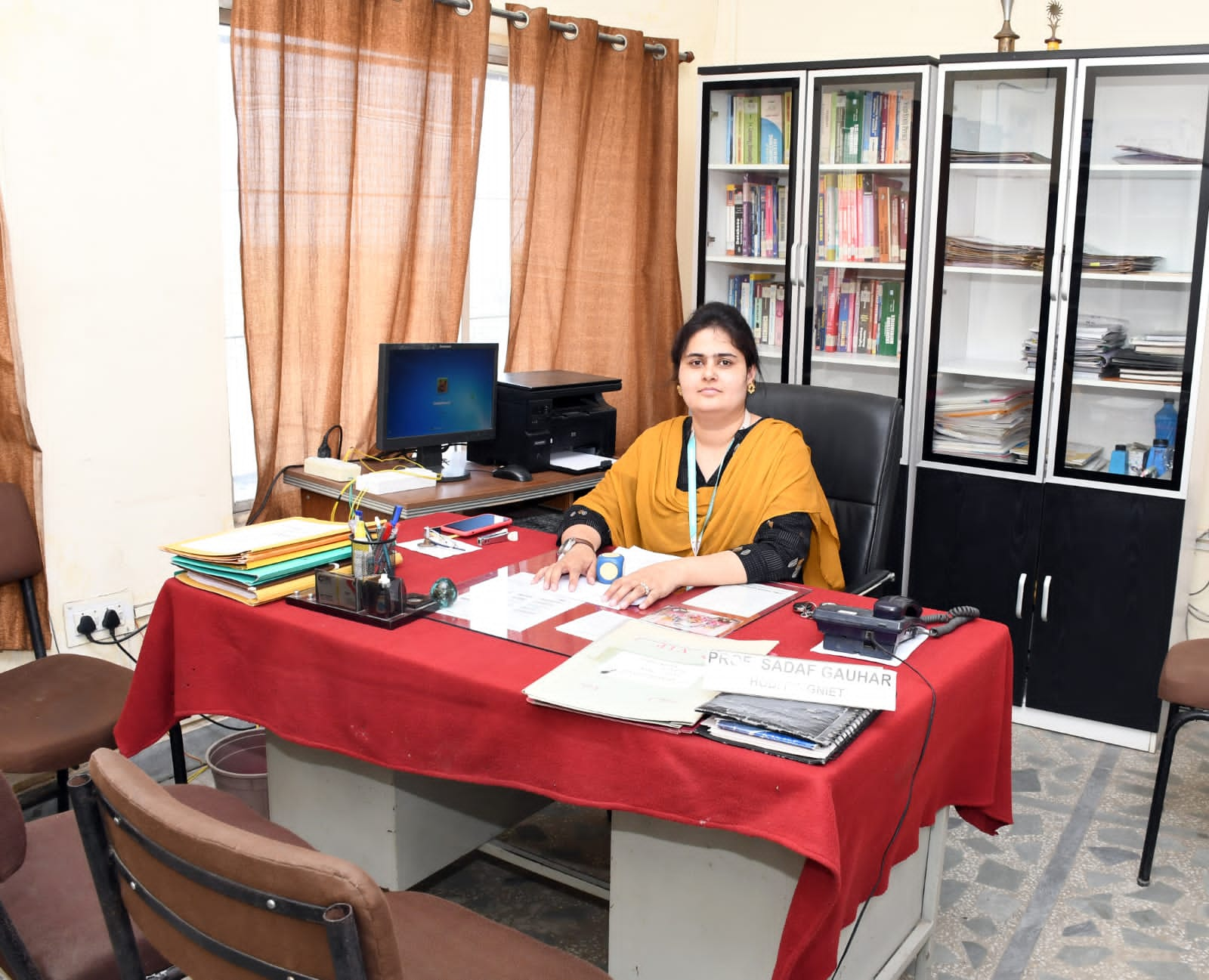
Organized by the Department of First Year Engineering at GNIET, Nagpur, on 30 March 2026, witnessed the participation of 50 students, with the 1st Prize awarded to Summaya Shakil, Vrushabh Chavhan, and Pranali Morey; the 2nd Prize awarded to Sanika Dhandekar, Aayushi Thakur, Prajakta Dabhade, and Purva Vaidya; and the 3rd Prize awarded to Areeba Usuf.
Quiz Competition 1
Quiz Competition 3
Quiz Competition 4

Student Forum

"PRATHAM PRATISHRUTI" is the official Student Forum of the First Year Department established with the objective of enhancing student participation, creativity, leadership qualities, communication skills, innovation, and overall personality development among first year engineering students.

The forum provides a platform for students to express their technical, cultural, social, sports, and creative talents through various academic and extracurricular activities organized throughout the academic year.

The forum actively involves students from all branches of First Year Engineering including Artificial Intelligence, Computer Science & Engineering, Computer Science & Data Science, Information Technology, Electrical Engineering, and Electronics & Telecommunication Engineering.

OBJECTIVES OF THE FORUM
  • To promote teamwork, discipline, and leadership among first year students.
  • To bridge the gap between students and faculty through interaction and collaboration.
  • To organize educational, technical, cultural, sports, and social activities.
  • To encourage participation in departmental, institute-level, intercollegiate, and national-level events.
  • To nurture innovation, creativity, technical awareness, and social responsibility among students.
STUDENT FORUM COMMITTEE MEMBERS
Sr. No. Name of Student Designation
1 Areeba Yusuf President
2 Sanika Kakde Vice-President
3 Ranjeet Sampate Secretary
4 Nandini Tiwari Joint Secretary
5 Pranav Dahatonde Treasurer
6 Vaidehi Kukade Cultural Head
7 Smithil Sawarkar Cultural Head
8 Supriya Bodkhe Public Relations Head
9 Vijay Bodale Sports Head
10 Vaibhavi Akarte Sports Head
11 Bhakti Jane Discipline Head
12 Yashwant Dhadve Discipline Head
13 Hariom Wagh Creative Head
14 Swamini Chaudhari Creative Head
15 Class Representatives CSE / AI / IT / CSDS / ETC / EE
OUTCOMES OF THE FORUM
  • Enhanced student participation in technical, cultural, sports, and research activities.
  • Improved communication skills, teamwork, creativity, and leadership qualities among students.
  • Encouraged students toward innovation, research, project development, and competitions.
  • Developed confidence and personality enhancement among first year students.
  • Increased awareness regarding Intellectual Property Rights, sustainability, and social responsibility.
  • Motivated students for active involvement in institute-level and national-level activities.
CONCLUSION

The First Year Department Forum "PRATHAM PRATISHRUTI" successfully conducted various academic, technical, cultural, research, sports, and social activities during the academic year 2025–2026. The forum played a vital role in motivating students toward innovation, leadership, teamwork, creativity, and personality development.

Through active student participation and faculty guidance, the forum contributed significantly toward the holistic growth and overall development of first year engineering students.

Events and Activities

1. Guest Lecture on "IPR: Fueling Innovation, Protecting Creativity"

Organized by IQAC in collaboration with the Department of First Year Engineering, GNIET, Nagpur, on 16 April 2026, featuring Dr. (Mrs.) Seema G. Rawat as the resource person, with 100 students in attendance. The session highlighted the importance of Intellectual Property Rights in academic, research, and industrial sectors.

IPR Guest Lecture 1
IPR Guest Lecture 2
IPR Guest Lecture 3
IPR Guest Lecture 3
2. Report on Quiz Competition

The Department of First Year Engineering organized an online Quiz Competition on 30th March 2026 at the Sardar Avatar Singh Kohli Memorial Hall. The objective was to enhance academic engagement, general knowledge, and competitive spirit among first-year students. Conducted under the guidance of the Principal and Dr. Kishor Wagh (HoD, First Year Engineering), and coordinated by Prof. M.B. Chauhan and Prof. V.V. Parhad. A total of 50 students actively participated. Winners: 1st Prize – Summaiya Shakil (CSE-DS) and Vrushabh Chavhan (ETC); 2nd Prize – Pranali Morey (ETC), Sanika Dandekar (IT), Aayushi Thakur (CSE), Prajakta Dabhade (AI), and Purva Vaidya (IT); 3rd Prize – Areeba Yusuf (AI).

Quiz Competition 1
Quiz Competition 2
Quiz Competition 3
3. Twice is Wise – Cyber Security Awareness Session

The Department of First Year Engineering at GNIET, Nagpur, organized a special Cyber Security Awareness Session under the nationwide "Twice is Wise" Campaign, in association with Federal Bank, Radio City, and I4C. The session was conducted for first-year students with RJ Swara Chaoudhari as the guest. It aimed to create awareness about online safety, cyber fraud prevention, and responsible digital behavior. Students learned about various types of cyber frauds, online scams, and safe digital practices. GNIET, Nagpur received a Certificate of Participation for successfully hosting the campaign.

Student Achievement 1
Student Achievement 2
Student Achievement 3
Student Achievement 4
Student Achievement 5
Student Achievement 6
Student Achievement 7
Student Achievement 8
Student Achievement 9
Student Achievement 10
4. Industrial Visit

1. Parle-G

An industrial visit for first-year engineering students was organized at Parle-G on 18/11/2025. Students observed the manufacturing process, automation systems, quality control methods, and safety practices. The visit provided practical exposure and enhanced technical knowledge.

Parle-G Visit 1
Parle-G Visit 2
Parle-G Visit 3
Parle-G Visit 4
Parle-G Visit 5
Parle-G Visit 6
Parle-G Visit 7

2. Regional Remote Sensing Centre, Nagpur

An industrial visit to the Regional Remote Sensing Centre, Nagpur was organized on 21/11/2025. Students gained knowledge about remote sensing technology, satellite communication, GIS applications, and space research. The visit provided valuable practical exposure.

Regional Remote Sensing 1
Regional Remote Sensing 2
Regional Remote Sensing 3
Regional Remote Sensing 4
Regional Remote Sensing 5
Regional Remote Sensing 6
5. Parents Teachers Meet

The Department of First Year Engineering organizes a Parent–Teacher Meet to discuss students’ academic progress, attendance, and overall performance with parents. The meeting also provides a platform to address students’ difficulties, queries, and suggestions for their better development and improvement.

PTM 1
PTM 2
PTM 3

Scheme & Syllabus

New Syllabus of B.Tech 1st and 2nd Semester as per N.E.P.-2020 for Implementation from the session 2024-25